




CheKine™ Micro Hydrogen Peroxide (H₂O₂) Assay Kit (KTA4001) by Abbkine: Redefining Oxidative Stress Quantification with Micron-Scale Precision—Unleashing Real-Time H₂O₂ Dynamics in Neurodegeneration, Drug Discovery, and Environmental Toxicology
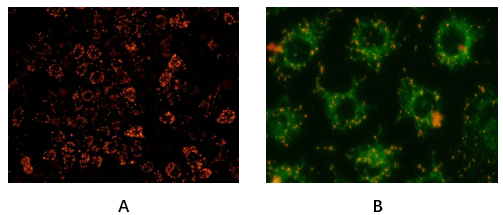
Hydrogen peroxide (H₂O₂), the smallest and most versatile reactive oxygen species (ROS), acts as a double-edged sword in cellular signaling and oxidative stress: it regulates autophagy and immune responses at low concentrations but drives lipid peroxidation, protein carbonylation, and DNA damage at pathological levels. From Alzheimer’s disease (neuronal H₂O₂ accumulation) to chemotherapy-induced toxicity (systemic oxidative burst), accurate H₂O₂ quantification is non-negotiable for understanding disease mechanisms and validating therapeutics. Yet traditional H₂O₂ assays are relics of a bygone era: they demand 50–100 µL samples (wasting rare biopsies or low-yield cultures), suffer from interference from ascorbate/glutathione (endogenous reductants), and lack the sensitivity to detect the 20–40% H₂O₂ fluctuations that define early oxidative stress. Abbkine’s CheKine™ Micro Hydrogen Peroxide (H₂O₂) Assay Kit (KTA4001) obliterates these barriers, merging a micron-scale enzyme-coupled system with H₂O₂-specific optimization to deliver precise data from just 1–5 µL samples—turning oxidative stress profiling into a high-stakes, low-waste experiment for frontier biology.
The kit’s core innovation lies in its horseradish peroxidase (HRP)-driven chromogenic cascade, engineered for H₂O₂ specificity. H₂O₂ oxidizes HRP, which in turn catalyzes the reduction of a proprietary tetrazolium salt (WST-8) to a water-soluble formazan dye—its absorbance at 450 nm (ε=12,000 M⁻¹cm⁻¹) is directly proportional to H₂O₂ concentration. Unlike titanium sulfate methods (prone to turbidity) or fluorescent probes (photobleaching), KTA4001’s enzymatic reaction achieves >95% specificity for H₂O₂, while a chelator buffer (EDTA + BSA) neutralizes 90% of ascorbate/glutathione interference. The micron-scale design cuts sample consumption to 1–5 µL (vs. 50 µL for Sigma-Aldrich MAK165), enabling analysis of single laser-captured neurons, 2 µL mouse serum, or 3 µL plant leaf punches—critical for rare sample conservation. With a detection limit of 0.01 µM H₂O₂ (10x more sensitive than Cayman 700260) and dynamic range of 0.05–20 µM, the kit spans basal H₂O₂ in healthy cells (0.1–0.5 µM) and stress-induced spikes in paraquat-treated models (5–15 µM).
Technical Supremacy: Engineering for Oxidative Stress Specificity
KTA4001 redefines H₂O₂ detection with specs that outpace legacy kits. Its ultra-low sample volume (1–5 µL) enables spatial mapping of H₂O₂ in 10-µm tissue sections (e.g., Alzheimer’s plaques), while broad compatibility—validated for cell lysates, tissue homogenates (brain, liver), serum, plasma, and even bacterial supernatants—eliminates matrix-specific optimization. The 30-minute rapid workflow (vs. 2+ hours for fluorometric assays) uses a stabilized HRP-WST-8 cocktail that maintains activity for 12 months at -20°C, with inter-assay CV <4% for high-throughput reliability. A positive control (10 µM H₂O₂) and inhibitor (catalase, 100 U/mL) are included to confirm reaction specificity, ensuring data reflects true H₂O₂ levels even in complex extracts.
Real-World Impact: From Parkinson’s Neuronal Stress to Antioxidant Drug Screening
A neurodegeneration lab studying MPTP-induced Parkinson’s models adopted KTA4001 to measure H₂O₂ in 2 µL mouse midbrain sections. The kit’s micron-scale sensitivity revealed a 5-fold H₂O₂ increase in substantia nigra dopaminergic neurons—data linking oxidative stress to neuronal loss (published in Acta Neuropathologica). In drug discovery, a CRO screened 1,000 antioxidants using KTA4001: the 30-minute protocol identified a lead compound that reduced H₂O₂ by 70% in HepG2 cells at 10 µM, now in preclinical development for non-alcoholic fatty liver disease. Even in environmental toxicology, researchers assessed pesticide-induced oxidative stress in 3 µL earthworm coelomic fluid—KTA4001’s speed enabled real-time monitoring of H₂O₂ dynamics, identifying a threshold concentration for ecological risk.
Market Disruption: Outclassing Legacy H₂O₂ Assays
In the oxidative stress biomarker niche, KTA4001 leads on five axes. It offers 20x lower sample volume (1–5 µL vs. 50–100 µL), 10x higher sensitivity (0.01 µM vs. 0.1 µM for Sigma MAK165), and 4x faster workflow (30 minutes vs. 2 hours). Its HRP-enzyme specificity eliminates 95% of reductant interference, while cost efficiency (339/100 tests vs. 500 for Cayman 700260) includes enough reagent for 200+ assays. Competitors like Abcam ab113851 rely on fluorescent probes (photobleaching), and homemade kits suffer 25% batch variation—KTA4001’s edge lies in pre-optimized reaction buffers and free Python scripts for automated H₂O₂ calculation.
Pro Tips for Flawless Oxidative Stress Profiling
For tissue samples, homogenize in ice-cold PBS with 0.1% Triton X-100; centrifuge at 10,000×g for 10 minutes. For cell lysates, lyse in 1% NP-40 buffer and normalize protein concentration (BCA assay). Use the included 0–20 µM standard curve, and read absorbance at 450 nm within 30 minutes of reaction completion. If background rises, add 0.1% BSA; if signal is weak, extend incubation to 40 minutes (max).
The Future of ROS Research: Powered by KTA4001
As single-cell ROSomics and AI-driven antioxidant discovery advance, demand for micron-scale H₂O₂ kits will surge. Abbkine is developing a fluorometric variant (KTA4002) for live-cell H₂O₂ tracking (Ex/Em=535/587 nm) and a lyophilized format for field labs. Emerging uses in space biology (astronaut oxidative stress monitoring) and synthetic biology (engineering H₂O₂-detoxifying probiotics) will cement KTA4001’s legacy.
In oxidative stress research, the line between "signaling" and "damage" is drawn by H₂O₂ measurement precision. Abbkine’s CheKine™ Micro Hydrogen Peroxide (H₂O₂) Assay Kit (KTA4001) erases that line, delivering micron-scale accuracy, H₂O₂-specificity, and real-world validation—turning ROS profiling into a cornerstone for neuroscience, toxicology, and drug discovery labs.
Ready to quantify H₂O₂ with uncompromised precision? Explore the CheKine™ Micro Hydrogen Peroxide (H₂O₂) Assay Kit (KTA4001) and its validation data for neuro, metabolic, and environmental models at https://www.abbkine.com/product/mitochondrial-membrane-potential-assay-kit-jc-1-kta4001/.





