




Abbkine MARCO Polyclonal Antibody (ABP59218): A Definitive Tool for Innate Immunity and Macrophage Biology Research
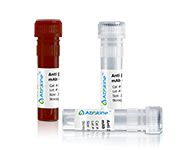
Macrophage Receptor With Collagenous Structure (MARCO), a key member of the class A scavenger receptor family, stands as a cornerstone of the mammalian innate antimicrobial immune system and a critical marker of functional macrophage biology. As a cell surface receptor predominantly expressed on macrophages, MARCO mediates the recognition and binding of both Gram-negative and Gram-positive bacteria via its extracellular scavenger receptor cysteine-rich (SRCR) domain, orchestrating early immune responses to microbial infection, regulating inflammatory signaling, and maintaining tissue immune homeostasis. Beyond antimicrobial immunity, MARCO is increasingly implicated in disease pathogenesis—from infectious disorders and chronic inflammation to tumor microenvironment remodeling and autoimmune diseases—making its precise detection and quantification indispensable for cutting-edge research across immunology, microbiology, and oncology. The Abbkine MARCO Polyclonal Antibody (Cat. No. ABP59218) (product link: https://www.abbkine.com/product/marco-polyclonal-antibody-abp59218/) emerges as a purpose-engineered research tool that addresses the core industry challenges of MARCO detection, delivering unrivaled specificity, cross-species reactivity, and application flexibility for endogenous MARCO protein analysis. This antibody is not merely a research reagent, but a gold-standard asset tailored to the biological properties of MARCO, empowering researchers to unravel the molecular mechanisms of this pivotal innate immune receptor with confidence and reproducibility.
Targeted immunogen design forms the foundational strength of the Abbkine MARCO Polyclonal Antibody ABP59218, a critical engineering choice that eliminates the cross-reactivity pitfalls that have plagued lesser MARCO detection reagents in the research market. The antibody is generated using a synthetic peptide immunogen derived from the 380–460 amino acid region of the human MARCO protein—a strategic selection that targets a unique, non-conserved domain of the receptor, rather than the highly conserved collagenous or transmembrane regions shared with other class A scavenger receptors (e.g., SR-A1). This immunogen design ensures that the antibody selectively recognizes MARCO and not other scavenger receptor family members, a common source of experimental error in assays using non-validated MARCO antibodies that target conserved regions. Further, the antibody is affinity-purified from rabbit antiserum via epitope-specific affinity chromatography, a purification method that enriches for high-affinity antibody clones and removes non-specific immunoglobulins—resulting in a highly pure antibody preparation that detects only endogenous MARCO protein with no off-target bands. This level of epitope specificity is a non-negotiable requirement for MARCO research, as the scavenger receptor family’s structural homology creates a high risk of cross-reactivity, and this design choice positions ABP59218 as a superior alternative to generic MARCO antibodies on the market.
Cross-species reactivity with human and mouse MARCO is a transformative feature of the Abbkine ABP59218 MARCO Polyclonal Antibody, addressing a key industry need in translational immunology research and reducing the logistical and financial burden of preclinical research. The antibody is validated for specific recognition of MARCO in both human and mouse samples—a critical attribute, as mouse models are the primary preclinical system for studying innate immunity, microbial infection, and macrophage function, while human sample analysis is essential for translational research and clinical biomarker validation. Unlike many MARCO antibodies that are restricted to a single species (either human or mouse), ABP59218 enables seamless transition between in vitro human cell culture models, in vivo mouse preclinical models, and human clinical sample analysis—eliminating the need for researchers to purchase and validate separate antibodies for different species. This cross-species reactivity also ensures that experimental findings from mouse models are directly translatable to human biology, a core challenge in immunology research where species-specific protein expression and function often limit the utility of single-species research tools. For labs of all sizes, this feature translates to reduced assay development time, lower research costs, and more consistent data across preclinical and translational research workflows.
Exceptional performance across two high-frequency experimental applications—Western Blot (WB) and Enzyme-Linked Immunosorbent Assay (ELISA)—and well-defined starting working dilutions make the Abbkine MARCO Polyclonal Antibody ABP59218 a highly user-friendly tool that streamlines experimental design and minimizes trial-and-error optimization for researchers. The antibody is validated for WB at a suggested starting dilution of 1:500–2000 and for ELISA at 1:5000–20000, with the flexibility to optimize dilutions for specific experimental systems (e.g., cell lysates, tissue homogenates, biological fluids). This clear guidance on starting dilutions addresses a major industry pain point: many research antibodies provide vague or no dilution recommendations, forcing researchers to spend valuable time and resources on serial dilution testing to identify optimal working conditions. For WB, the antibody detects a single, sharp band at the expected molecular weight of 57 kD for MARCO—no non-specific or smearing bands, a hallmark of high antibody purity and specificity that ensures reliable quantification of endogenous MARCO protein levels. For ELISA, the high starting dilution (1:5000–20000) reflects the antibody’s high titer and affinity, enabling sensitive detection of low-abundance MARCO in biological fluids (e.g., serum, cell culture supernatants) with minimal antibody input. The compatibility with both qualitative (WB) and quantitative (ELISA) assays further makes ABP59218 a versatile tool for both exploratory mechanistic research and quantitative protein expression analysis—two core needs in MARCO and macrophage biology research.
Optimized formulation and robust storage stability of the Abbkine ABP59218 MARCO Polyclonal Antibody ensure long-term functionality and experimental reproducibility, critical attributes for research reagents that are often stored for extended periods and used in intermittent experimental workflows. The antibody is supplied as a ready-to-use liquid solution at a concentration of 1 mg/ml, formulated in a buffered solution of PBS with 50% glycerol, 0.05% Proclin 300, and 0.05% BSA. This formulation is engineered to preserve antibody structure and activity: glycerol prevents ice crystal formation during freezing, Proclin 300 acts as a broad-spectrum preservative to inhibit microbial growth, and BSA serves as a protein stabilizer to prevent antibody denaturation. The antibody is stable for one year at -20°C from the date of shipment, with a simple recommendation to centrifuge the original vial after thawing and aliquot to avoid repeated freezing and thawing— a common cause of antibody denaturation and loss of activity. Unlike lyophilized antibodies that require reconstitution (a step that introduces variability in concentration and activity), the liquid formulation of ABP59218 is ready for immediate use, reducing experimental variability and ensuring consistent performance across all experimental runs. This attention to formulation and storage stability reflects Abbkine’s deep understanding of laboratory research workflows and the critical role of reagent stability in generating reproducible, publishable data.
The Abbkine MARCO Polyclonal Antibody ABP59218 is uniquely positioned to support research across the fastest-growing and most impactful areas of modern immunology, aligning with key industry trends in innate immunity, macrophage plasticity, and tumor immunology research. MARCO is a defining marker of tissue-resident and inflammatory macrophages, and its expression and function are tightly linked to macrophage polarization—a hot research topic where macrophages switch between pro-inflammatory (M1) and anti-inflammatory (M2) phenotypes to regulate immune responses and tissue repair. ABP59218 enables precise detection of MARCO expression in polarized macrophage populations, unraveling the role of MARCO in macrophage functional plasticity in infection, inflammation, and cancer. In tumor immunology, tumor-associated macrophages (TAMs) are a major component of the tumor microenvironment, and MARCO expression on TAMs is linked to immune suppression and tumor progression; the antibody enables quantification of MARCO on TAMs in human and mouse tumor samples, validating MARCO as a potential therapeutic target for cancer immunotherapy. In infectious disease research, ABP59218 is a critical tool for studying the mechanistic role of MARCO in macrophage-mediated bacterial clearance, identifying novel targets for antimicrobial therapy in antibiotic-resistant bacterial infections. As research into innate immunity and macrophage biology continues to expand—driven by the need for new therapies for infectious, inflammatory, and neoplastic diseases—the demand for validated, specific MARCO detection tools will only grow, and ABP59218 is poised to be the gold standard for this research.
In the competitive landscape of immunology research reagents, the Abbkine MARCO Polyclonal Antibody ABP59218 stands out for its unbeatable combination of specificity, cross-species reactivity, application flexibility, and cost-effectiveness—attributes that make it accessible to labs of all sizes, from small academic research groups to large pharmaceutical drug discovery teams. Priced at $109 for 30 μl of 1 mg/ml antibody, ABP59218 offers exceptional value: the high titer and broad dilution range mean a single vial provides sufficient antibody for dozens of WB and ELISA assays, far exceeding the performance of more expensive MARCO antibodies on the market. Further, the antibody’s rigorous validation for endogenous MARCO detection eliminates the need for time-consuming in-house validation—a major cost and time saver for researchers. Abbkine’s commitment to quality is evident in every aspect of ABP59218’s design, from the targeted immunogen selection and affinity purification to the optimized formulation and storage stability, making this antibody a reliable and cost-effective choice for all MARCO and macrophage biology research.
In conclusion, the Abbkine MARCO Polyclonal Antibody (Cat. No. ABP59218) is a premier research tool that redefines the standard for MARCO protein detection, addressing the core industry challenges of specificity, cross-species reactivity, and application flexibility that have limited previous MARCO research reagents (product link: https://www.abbkine.com/product/marco-polyclonal-antibody-abp59218/). Its targeted immunogen design ensures absolute specificity for MARCO with no cross-reactivity to other scavenger receptors, its human/mouse cross-species reactivity enables seamless preclinical to translational research, its validated performance across WB and ELISA with clear dilution guidelines streamlines experimental design, and its optimized formulation ensures long-term stability and reproducibility. For researchers investigating innate immunity, microbial infection, macrophage plasticity, chronic inflammation, or tumor immunology, ABP59218 is an indispensable asset that delivers the definitive, publishable data required for impactful research. As MARCO continues to emerge as a key molecular player in human health and disease—with potential as both a diagnostic biomarker and a therapeutic target—the Abbkine ABP59218 MARCO Polyclonal Antibody will remain a gold-standard tool, empowering researchers to unlock the full potential of MARCO research and translate fundamental discoveries into new approaches for treating infectious, inflammatory, and neoplastic diseases.





