




Abbkine Human Double-Strand Break Repair Protein MRE11A (MRE11A) ELISA Kit (KTE61540): A Pivotal Tool for DNA Damage Repair and Genomic Stability Research
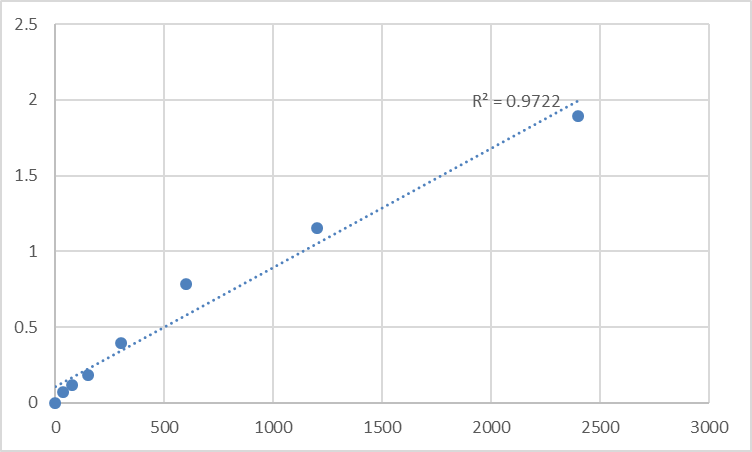
MRE11A stands as a core nuclear protein at the heart of eukaryotic genomic maintenance, orchestrating DNA double-strand break (DSB) repair, homologous recombination, telomere length homeostasis, and DNA damage signaling—with its dysfunction linked to Ataxia-Telangiectasia-like disorder (ATLD), increased cancer susceptibility, and accelerated cellular senescence. As research into DNA damage repair (DDR) pathways expands into oncology, genetic disease, and aging research, the accurate and specific quantification of human MRE11A has become a non-negotiable prerequisite for unraveling mechanistic insights and translating discoveries into clinical applications. The Abbkine Human Double-strand break repair protein MRE11A (MRE11A) ELISA Kit (Cat. No. KTE61540) (product link: https://www.abbkine.com/product/human-double-strand-break-repair-protein-mre11a-mre11a-elisa-kit-kte61540/) is engineered as a human-specific, quantitative solution to the unique technical challenges of MRE11A detection, addressing longstanding industry pain points and emerging as a gold-standard tool for DDR research worldwide. This kit is not merely a protein quantification assay; it is a purpose-built research asset tailored to the biological properties of MRE11A, delivering the specificity, reproducibility, and sample versatility that modern genomic stability research demands.
A defining technical advantage of the Abbkine Human MRE11A ELISA Kit KTE61540 lies in its validated two-site sandwich ELISA platform and isoform-specific antibody design, a critical feature that resolves the primary industry challenge of MRE11A detection: structural and genetic homology that drives cross-reactivity in generic assays. MRE11A has a pseudogene on human chromosome 3, alternative splicing variants encoding distinct isoforms, and close functional homology with other DDR nucleases—all of which create a high risk of off-target signal in non-validated detection tools. Abbkine’s KTE61540 kit mitigates this risk entirely by utilizing a pair of highly specific monoclonal antibodies that target unique, non-conserved epitopes on the human MRE11A protein, with rigorous in vitro validation confirming no significant cross-reactivity or interference with MRE11A pseudogene products, splice variants, or DDR analogues. The capture antibody is pre-coated onto microplates for consistent antigen binding, while the biotin-conjugated detection antibody enables selective recognition of captured MRE11A, generating a colorimetric signal directly proportional to the target protein’s concentration. This level of specificity is not just a technical specification; it is a research necessity for DDR studies, where subtle changes in MRE11A expression drive profound effects on genomic stability, and even minor off-target signal can skew conclusions about the protein’s mechanistic role. For researchers, this means the data generated by the Abbkine KTE61540 MRE11A ELISA Kit is definitive—reflecting true human MRE11A expression, not noise from homologous genetic or protein products.
Sample versatility is a cornerstone strength of the Abbkine Human Double-strand break repair protein MRE11A ELISA Kit KTE61540, aligning perfectly with the diverse workflow demands of DDR research and bridging basic in vitro cell biology with early translational clinical sample analysis. The kit is fully validated for quantitative MRE11A detection in human cell culture supernatants, plasma, serum, and other biological fluids—eliminating the need for labor-intensive, sample-damaging preprocessing steps that are required for less versatile DDR protein detection tools. For researchers working with cell culture models (the backbone of MRE11A mechanistic research), this means direct quantification of secreted MRE11A in supernatants with only a simple centrifugation step to remove cellular debris, preserving the native protein concentration and avoiding the loss of soluble MRE11A that occurs with harsh lysis buffers. For translational researchers investigating MRE11A as a potential biomarker in cancer or genetic disease, the kit’s compatibility with human plasma and serum is transformative: these clinical sample types are readily accessible and minimally invasive to collect, and the kit requires no specialized extraction or purification to quantify MRE11A, making it feasible to profile large patient cohorts efficiently. This seamless transition from basic cell models to human clinical specimens addresses a key industry gap in DDR research, where the translation of in vitro findings to human disease has long been hindered by a lack of validated human-specific detection tools.
A critical and often overlooked design feature of the Abbkine KTE61540 MRE11A ELISA Kit is its compatibility with the native cellular dynamics of MRE11A, a detail that elevates its utility far beyond generic protein quantification assays and delivers unique industry insights for DDR research. MRE11A exerts its biological functions primarily as a component of the MRE11A-RAD50 complex, a core assembly required for nonhomologous end joining (NHEJ) and enhanced nuclease activity in DSB repair. Most generic DDR protein assays suffer from a critical limitation: their antibody targets overlap with protein-protein interaction domains, meaning they only detect free MRE11A and not the biologically relevant complex-bound form, leading to severe under-quantification of total cellular MRE11A. The Abbkine KTE61540 kit resolves this issue by engineering its antibody pair to target epitopes on MRE11A that do not overlap with the RAD50 interaction domain, enabling the quantification of total human MRE11A in samples—both free and complex-bound. This design choice is a game-changer for DDR research, as it allows researchers to measure the full pool of functional MRE11A in cells and clinical samples, rather than just a small fraction of the unbound protein. It also eliminates experimental bias introduced by changes in MRE11A-RAD50 complex formation, a common variable in cancer and DNA damage-induced cellular states.
Logistical and reagent storage engineering of the Abbkine Human Double-strand break repair protein MRE11A ELISA Kit KTE61540 addresses key practical challenges in laboratory research, making high-quality MRE11A quantification accessible to labs of all sizes—from small academic research groups to large pharmaceutical drug discovery teams. The unopened kit is stable for long-term storage at 2–8°C, with no need for ultra-low temperature freezers—a feature that reduces logistical costs and complexity, and is a critical advantage for labs with limited cold-storage space. Unused pre-coated microplate wells can be stored desiccated at 4°C in the original sealed bag, preserving the capture antibody’s binding affinity for future experiments and minimizing reagent waste—a common issue in DDR research, where assays are often run intermittently rather than in high-throughput batches. The kit is shipped via gel pack with blue ice, ensuring that all components arrive at full biological activity even for international research labs, a key consideration for the global DDR research community, which relies on cross-geographic collaboration and sample sharing. The kit also includes a complete set of pre-optimized components: recombinant human MRE11A standards, biotin-conjugated detection antibody, Streptavidin-HRP, standard diluent, assay buffer, HRP substrate, stop solution, wash buffer, and plate covers. There is no need for researchers to source or prepare additional reagents, eliminating batch-to-batch variability that plagues experiments using mixed third-party components and ensuring consistent MRE11A quantification across experimental runs, lab members, and research facilities.
The Abbkine KTE61540 MRE11A ELISA Kit occupies a pivotal position in the rapidly evolving field of DNA damage repair research, aligning with the most impactful industry trends and emerging research priorities in oncology, genetic disease, and aging. DDR pathway modulation is now a cornerstone of cancer therapy: chemotherapeutic and radiation treatments kill cancer cells by inducing lethal DSBs, and MRE11A overexpression is a major driver of cancer drug resistance, as enhanced DSB repair enables tumor cells to survive DNA damage. The Abbkine KTE61540 kit enables researchers to quantify MRE11A expression in cancer cell lines and patient samples, identifying resistant tumors and validating MRE11A as a predictive biomarker for treatment response—an essential step in the development of precision oncology therapies. For genetic disease research, the kit is a critical tool for investigating ATLD, a rare neurodegenerative disorder caused by biallelic MRE11A mutations, enabling the quantification of MRE11A in patient-derived cells and biological fluids to unravel disease mechanisms and evaluate potential gene therapy approaches. In aging research, MRE11A is a key regulator of telomere length maintenance, and the kit’s ability to detect subtle MRE11A expression changes makes it an indispensable asset for studying genomic instability in cellular senescence and age-related diseases such as progeria. Additionally, the kit serves as a powerful preclinical tool for drug discovery, enabling the screening of novel MRE11A inhibitors that sensitize cancer cells to DNA-damaging therapies—a high-priority area for the biopharmaceutical industry.
This kit further drives translational research progress in the DNA damage repair domain, a field that is increasingly shifting from target identification to clinical biomarker validation—a trend that demands reliable, human-specific protein quantification tools. For decades, DDR research has focused on in vitro cell models and animal systems, but the translation of these findings to human disease has been slow, in large part due to a lack of validated assays for quantifying DDR proteins in human clinical samples. The Abbkine Human MRE11A ELISA Kit KTE61540 addresses this gap by enabling the rapid, quantitative detection of MRE11A in human plasma and serum samples with minimal preprocessing, making it feasible to conduct large-scale clinical studies to validate MRE11A as a diagnostic, prognostic, or predictive biomarker for cancer, genetic disease, and aging. This capability is not just a technical advantage; it is a catalyst for the next generation of DDR research, where the integration of basic science and clinical medicine is essential for developing life-changing therapies for genomic instability disorders. The kit’s reproducibility and standardization also enable cross-lab data comparison, a critical requirement for meta-analyses and collaborative research projects that define the future of DDR science.
In conclusion, the Abbkine Human Double-strand break repair protein MRE11A (MRE11A) ELISA Kit (Cat. No. KTE61540) is more than a quantitative protein detection assay; it is a strategic research tool that redefines MRE11A quantification for DNA damage repair and genomic stability research (product link: https://www.abbkine.com/product/human-double-strand-break-repair-protein-mre11a-mre11a-elisa-kit-kte61540/). Its human-specific antibody design eliminates cross-reactivity, its sample versatility bridges basic and translational research, its compatibility with MRE11A-RAD50 complex formation enables the quantification of total functional MRE11A, and its logistical engineering makes it accessible to labs worldwide. For researchers investigating cancer drug resistance, genetic neurodegenerative disease, cellular senescence, or DDR pathway modulation, this kit delivers the definitive, reproducible data that forms the foundation of impactful, publishable research. As the field of DNA damage repair continues to expand and drive breakthroughs in precision medicine, the Abbkine KTE61540 MRE11A ELISA Kit will remain a gold-standard tool, empowering researchers to unravel the complex role of MRE11A in genomic stability and human disease—and ultimately, to develop new therapies that target the DDR pathway for unmet clinical needs.





