




Why the Human Cytochrome b-245 Heavy Chain (CYBB) ELISA Kit Is Quietly Revolutionizing Innate Immunity Research
You’ve probably heard of CYBB—but maybe not by that name. Most folks in immunology know it as gp91phox or NOX2, the catalytic heart of the phagocyte NADPH oxidase complex. It’s the engine that powers the respiratory burst, that explosive surge of reactive oxygen species (ROS) neutrophils and macrophages unleash to obliterate bacteria and fungi. Without functional CYBB? You get chronic granulomatous disease (CGD)—a life-threatening immunodeficiency where phagocytes eat bugs but can’t kill them. So yeah, measuring CYBB isn’t just academic; it’s clinically urgent.
Yet for years, researchers trying to quantify human CYBB protein levels faced a frustrating choice: laborious Western blots with inconsistent antibodies, or indirect ROS assays that tell yousomething happened—but nothow much CYBB was actually there. That’s where the Human Cytochrome b-245 heavy chain (CYBB) ELISA Kit from Abbkine (Cat. No. KTE62182) steps in—not with fanfare, but with quiet precision that’s starting to shift how labs approach innate immune profiling.
What’s striking about this kit is its focus. Unlike broad “oxidative stress” panels that measure downstream damage (like MDA or 8-OHdG), KTE62182 goes straight to the source: the actual CYBB protein itself. Using a classic sandwich ELISA format, it captures endogenous CYBB from serum, plasma, cell culture supernatants, or other biological fluids with high specificity. The pre-coated plate + biotin-streptavidin-HRP system delivers colorimetric readouts proportional to CYBB concentration—no guesswork, no gel variability.
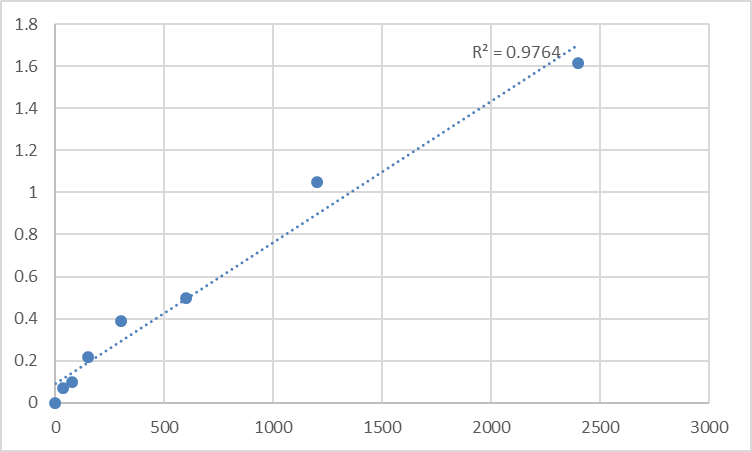
And let’s be real: working with membrane-associated proteins like CYBB is notoriously messy. It’s hydrophobic, prone to aggregation, and often co-purifies with cytosolic regulators like p47phox or p67phox. But Abbkine’s validation data (see Fig.1 on their datasheet) shows a clean standard curve with minimal cross-reactivity against related NOX isoforms—meaning you’re likely measuring true CYBB, not NOX1 or NOX4 noise. That specificity matters, especially when comparing patient samples or drug-treated cells.
One underappreciated angle? This Human CYBB ELISA Kit could become a game-changer for CGD diagnostics beyond genetic testing. While sequencing identifies mutations, protein-level quantification reveals whether those mutations actually lead to absent or truncated CYBB—a critical distinction for prognosis and therapy selection. Imagine pairing this ELISA with flow cytometry for DHR oxidation: you’d get both functionaland quantitative data in one workflow.
From a practical standpoint, the protocol is refreshingly straightforward. Multiple-step, sure—but clocking in at 3–5 hours, it fits neatly into a standard lab day. No special equipment beyond a plate reader. And the kit includes everything: standards, detection antibody, buffers, even plate sealers. For core facilities drowning in sample throughput demands, that turnkey reliability is gold.
But here’s the kicker: CYBB isn’t just relevant in primary immunodeficiencies. Emerging evidence links dysregulated NOX2 activity to atherosclerosis, neuroinflammation, even diabetic complications. In tumor microenvironments, tumor-associated macrophages often exhibit altered CYBB expression—sometimes suppressing ROS to promote immune evasion. Suddenly, this “niche” ELISA becomes a tool for oncologists, cardiologists, and neuroscientists alike.
Still, some might ask: why not just measure superoxide directly? Fair point—but ROS are fleeting, unstable, and assay conditions dramatically skew results. Protein abundance, on the other hand, offers a stable, quantifiable baseline. The Abbkine Human Cytochrome b-245 heavy chain ELISA Kit (KTE62182) gives you that anchor point. Pair it with functional assays, and you’ve got a complete picture.
Pricing-wise, it’s competitive—starting at $339 for 48 tests—and scales efficiently for large cohorts. Plus, Abbkine ships it on blue ice with clear storage instructions (2–8°C unopened), reducing cold-chain anxiety. And while the datasheet notes LOD and calibration range are “available upon request,” early adopters report sensitivity sufficient for most clinical and research contexts.
Looking ahead, as interest grows in modulating NOX2 for therapeutic benefit—whether to boost it in CGD or dampen it in inflammatory diseases—tools like this will be essential for pharmacodynamic monitoring. Can your small-molecule inhibitor actually reduce CYBB expression? Now you can test that directly.
So if you’re knee-deep in phagocyte biology, inflammation models, or rare disease diagnostics, don’t sleep on this kit. It’s not flashy, but it’s solid. Reliable. Specific. And in a field where false leads waste months, that’s worth its weight in gold.
Ready to cut through the noise? The Human Cytochrome b-245 heavy chain (CYBB) ELISA Kit (KTE62182) might just be the missing piece in your innate immunity toolkit.
Learn more and access the full datasheet at: https://www.abbkine.com/product/human-cytochrome-b-245-heavy-chain-cybb-elisa-kit-kte62182/





