




Unlocking Synaptic Signaling Research: A Comprehensive Guide to the Abbkine Human Ras GTPase-activating Protein SynGAP (SYNGAP1) ELISA Kit (Cat. No. KTE60416)
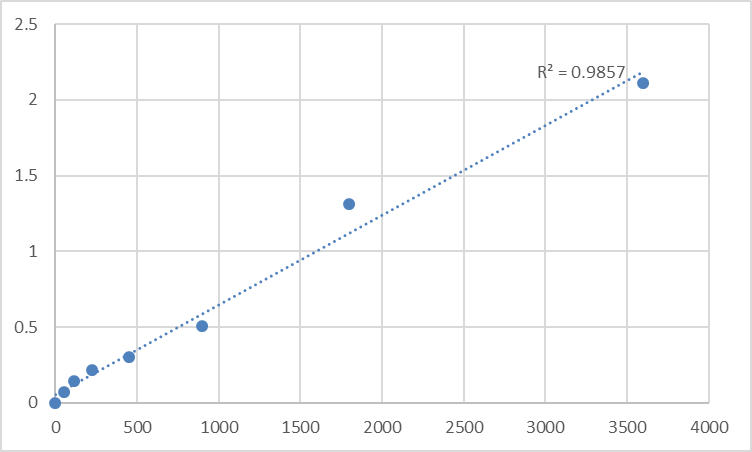
For neuroscientists and researchers specializing in neurodevelopmental disorders or synaptic plasticity, quantifying Human Ras GTPase-activating protein SynGAP (SYNGAP1) accurately is more than a routine experiment—it’s a critical step toward understanding conditions like autosomal dominant mental retardation type 5 (MRD5). SYNGAP1, a key regulator of Ras signaling at excitatory synapses, is directly linked to cognitive function; mutations in this gene often lead to non-syndromic mental retardation, making its precise detection essential for both basic research and translational studies. This is where the Abbkine Human Ras GTPase-activating protein SynGAP (SYNGAP1) ELISA Kit (货号 KTE60416) stands out: it’s not just a detection tool, but a reliable partner for unlocking the complexities of SYNGAP1-mediated pathways.
At the heart of this kit’s effectiveness is its adoption of the two-site sandwich ELISA principle—a gold standard for antigen quantification that balances sensitivity and specificity. Unlike simpler ELISA formats that may struggle with cross-reactivity, this design uses a pre-coated anti-SYNGAP1 antibody to capture target proteins in samples (such as serum, plasma, or cell culture supernatants) and a biotin-conjugated secondary antibody to bind to the captured SYNGAP1. The addition of streptavidin-horseradish peroxidase (HRP) and a colorimetric substrate then translates the bound protein amount into a measurable signal—with no significant cross-reactivity observed with SYNGAP1 analogues. For researchers, this means minimizing false positives, a common pitfall when working with proteins sharing structural similarities to SYNGAP1 (e.g., other Ras GTPase-activating proteins like RASA1 or RASA5).
One of the most practical advantages of the Abbkine Human Ras GTPase-activating protein SynGAP (SYNGAP1) ELISA Kit is its compatibility with biologically relevant sample types, which eliminates the need for overly complex preprocessing. Many SYNGAP1 studies rely on patient-derived serum or plasma to correlate protein levels with clinical phenotypes, or cell culture supernatants to track secretion dynamics in neuronal models. This kit handles all these samples seamlessly, reducing the risk of protein degradation that can occur with extensive sample preparation. A pro tip for optimal results: when working with plasma samples, centrifuge at 3,000×g for 10 minutes to remove cellular debris—this step prevents clogging of the microplate wells and ensures uniform antibody-protein binding, a detail that can significantly improve assay reproducibility.
While the kit’s working time (3–5 hours) is slightly longer than some “rapid” ELISA options, this duration is a deliberate trade-off for stability—a key consideration for labs prioritizing consistent data. Rapid kits often compress incubation steps, which can compromise signal intensity and increase variability, especially when analyzing low-abundance SYNGAP1 in samples like cerebrospinal fluid (CSF) or dilute cell supernatants. The Abbkine KTE60416 kit’s extended protocol, by contrast, allows for thorough antibody binding and signal amplification, making it ideal for studies requiring high precision (e.g., comparing SYNGAP1 levels in MRD5 patients vs. healthy controls). For researchers short on time, batch processing is a viable strategy: prepare all samples and reagents in advance, and use a multichannel pipette to streamline well loading—this can cut down on hands-on time without sacrificing data quality.
Proper storage and reagent handling are often overlooked but critical for maximizing the kit’s lifespan and performance. The unopened Abbkine Human Ras GTPase-activating protein SynGAP (SYNGAP1) ELISA Kit should be stored at 2–8°C, and upon opening, unused pre-coated wells must be kept desiccated at 4°C in the original sealed bag. Moisture absorption is a major threat to pre-coated antibodies; even slight exposure can degrade their binding affinity, leading to lower signal-to-noise ratios over time. Another key practice: allow all reagents (standards, detection antibody, streptavidin-HRP) to warm to room temperature for at least 30 minutes before use. Cold reagents can cause uneven protein-antibody interactions, resulting in inconsistent OD values across wells—a problem that’s difficult to correct post-assay.
For researchers studying sporadic SYNGAP1 mutations (which occur during parental gamete division or fertilization), the kit’s sensitivity is particularly valuable. These mutations are often heterozygous, meaning only one allele is affected, leading to subtle changes in SYNGAP1 expression. Low-sensitivity kits may miss these small but biologically meaningful differences, while the Abbkine KTE60416 kit’s ability to detect even trace amounts of SYNGAP1 ensures that such changes are captured. Additionally, running standards and samples in duplicate or triplicate (as recommended in the kit instructions) further enhances data reliability—this practice accounts for well-to-well variability and strengthens the statistical power of your results, a must for publications in high-impact neurobiology journals.
What truly distinguishes this kit from competitors is its alignment with the needs of SYNGAP1-focused research. Unlike generic Ras GTPase ELISA kits that may lack specificity for SYNGAP1, the Abbkine KTE60416 kit is engineered explicitly for Human SYNGAP1, with antibodies validated to target unique epitopes of the protein. This specificity is crucial when working with complex matrices like serum, which contain hundreds of proteins that could interfere with detection. Moreover, the kit includes all necessary components (pre-coated microplate, standards, HRP substrate, stop solution, etc.) in ready-to-use formats, reducing the risk of errors from reagent mismatches (a common issue when mixing components from different kit lots).
In summary, the Abbkine Human Ras GTPase-activating protein SynGAP (SYNGAP1) ELISA Kit (Cat. No. KTE60416) is more than a laboratory tool—it’s a strategic asset for researchers unraveling the role of SYNGAP1 in synaptic function and neurodevelopmental disorders. Its combination of high specificity, sample compatibility, and reproducible performance addresses the unique challenges of SYNGAP1 quantification, while its user-friendly design and comprehensive instructions make it accessible to both experienced ELISA users and early-career researchers. For anyone aiming to generate robust, publishable data on SYNGAP1, this kit is a investment in the integrity of their research—one that pays off in reliable results and deeper insights into the biological mechanisms shaping cognitive health.





