




Unlocking Precision in Thyroid Research: A Deep Dive into the Abbkine Rat Thyroxine (T4) ELISA Kit (KTE100170)
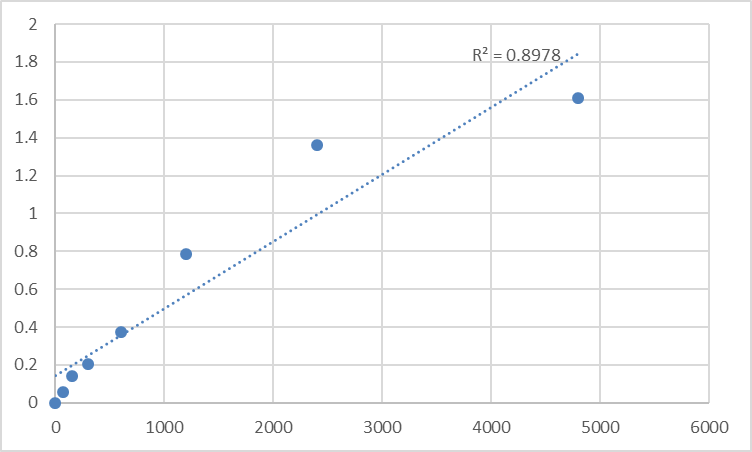
In the intricate landscape of endocrinology, accurate quantification of thyroid hormones remains pivotal for unraveling metabolic regulation, developmental biology, and disease mechanisms. Among these, thyroxine (T4)—the primary circulating thyroid hormone—serves as a cornerstone biomarker for assessing thyroid function in preclinical models. For researchers leveraging rat studies, the Abbkine Rat Thyroxine (T4) ELISA Kit (KTE100170) emerges as a specialized tool designed to meet the demands of high-sensitivity, reproducible T4 detection. This article delves into its technical merits, practical applications, and why it stands out in the competitive ELISA market.
Why T4 Quantification Matters in Rat Models
Thyroid dysfunction, whether hypothyroidism or hyperthyroidism, profoundly impacts rat physiology, from growth retardation to altered lipid metabolism. Traditional immunoassays often struggle with cross-reactivity from structurally similar compounds (e.g., triiodothyronine [T3] or reverse T3) or matrix interference in complex samples like serum or plasma. The Abbkine Rat Thyroxine (T4) ELISA Kit addresses these challenges by employing a sandwich ELISA format optimized for rat-specific T4 recognition. Its antibody pair is rigorously validated to minimize cross-reactivity (<0.1% with T3), ensuring that results reflect true T4 levels—a critical advantage for studies where subtle hormonal fluctuations dictate outcomes.
Technical Superiority: Sensitivity, Specificity, and Dynamic Range
The kit’s performance metrics underscore its reliability. With a detection limit of 0.156 ng/mL, it outperforms many commercial alternatives, enabling detection of low-abundance T4 in early-stage thyroid insufficiency models. The dynamic range spans 0.312–20 ng/mL, accommodating both baseline and hyperthyroid states without requiring sample dilution—an efficiency gain for high-throughput labs. Notably, the protocol minimizes incubation times (total assay time: ~3.5 hours), reducing hands-on effort while maintaining precision (intra-assay CV <8%, inter-assay CV <10%). Such consistency is vital for longitudinal studies tracking T4 trends over weeks or months.
Practical Considerations: Sample Handling and Troubleshooting
A common pitfall in T4 assays is sample degradation due to improper storage. The Abbkine Rat Thyroxine (T4) ELISA Kit guidelines emphasize rapid processing of serum/plasma (within 2 hours of collection) and storage at -80°C for long-term use. Hemolysis, a frequent confounder, can artificially elevate T4 readings; the kit’s validation data confirm minimal interference up to 5% hemoglobin concentration, though researchers are advised to avoid hemolyzed samples when possible. For labs new to ELISA, the kit includes detailed troubleshooting tips—such as optimizing washing steps to reduce background noise—streamlining method optimization.
Applications Beyond Basic Endocrinology
While primarily marketed for thyroid function assessment, the Abbkine Rat Thyroxine (T4) ELISA Kit has broader utility. In toxicology, it aids in evaluating drug-induced thyroid disruption (e.g., amiodarone analogs). In metabolic research, it complements glucose tolerance tests to dissect the thyroid-adipose axis. Moreover, its compatibility with alternative matrices (e.g., tissue homogenates) opens doors to localized T4 analysis in organs like the liver or brain—a niche yet growing area in neuroendocrinology.
Standing Out in the Market: What Sets Abbkine Apart?
Compared to generic kits, the KTE100170 model integrates three key differentiators:
- Species-Specific Validation: Unlike human/rodent mixed kits, this product is exclusively validated for rat samples, eliminating species-related biases.
- Comprehensive Support: Abbkine provides free technical consultation and a detailed application note library, including case studies on hypothyroid rat models.
- Cost-Effectiveness: While premium-priced kits often promise marginal gains, the KTE100170 balances affordability with performance—ideal for academic labs with constrained budgets.
Final Thoughts: Elevating Your Rat T4 Research
For researchers committed to rigor in thyroid hormone analysis, the Abbkine Rat Thyroxine (T4) ELISA Kit (KTE100170) offers more than just a reagent set—it delivers confidence. Its blend of sensitivity, specificity, and user-centric design makes it a go-to choice for projects ranging from basic mechanism studies to translational drug development. By prioritizing accuracy and ease of use, Abbkine has positioned this kit as a benchmark in rat T4 quantification—one that aligns with the evolving needs of modern biological research. To explore the kit’s full specifications or request a sample, visit Abbkine’s product page. Whether you’re a seasoned endocrinologist or a graduate student launching your first thyroid study, this tool promises to streamline your workflow and elevate your data quality.





