




Unlocking Apoptosis Insights with the Abbkine Caspase-9 Assay Kit (Colorimetric): A Game-Changer for Cell Death Research
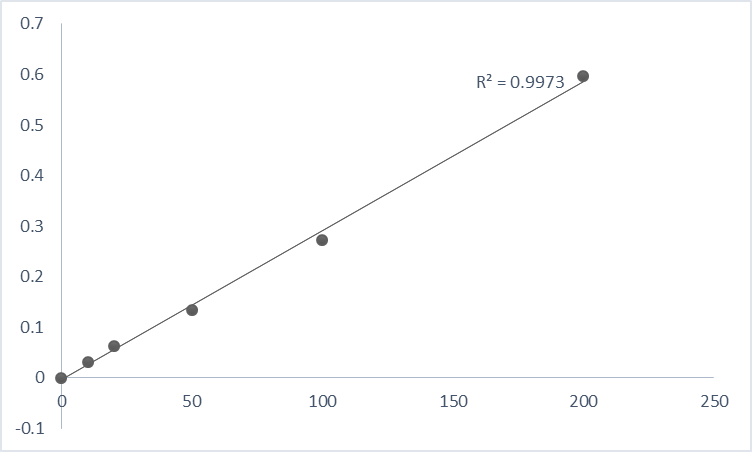
Apoptosis, a tightly regulated form of programmed cell death, underpins fundamental biological processes from embryonic development to immune homeostasis and disease progression. At its core lies the intrinsic mitochondrial pathway, where Caspase-9 acts as the initiator protease—activating downstream effectors like Caspase-3/7 to execute cellular dismantling. For researchers probing apoptosis in cancer, neurodegeneration, or drug toxicity, quantifying Caspase-9 activity is not just routine; it’s critical. Enter the Abbkine Caspase-9 Assay Kit (Colorimetric) (Cat. KTA3026), a tool engineered to deliver precision, speed, and reliability in this high-stakes field.
What sets the Abbkine KTA3026 apart is its elegant design rooted in colorimetric detection. Unlike fluorometric methods that require specialized equipment, this kit leverages a p-nitroaniline (pNA) chromogenic substrate conjugated to the Caspase-9-specific LEHD sequence. Upon cleavage by active Caspase-9, pNA is released, producing a yellow product whose absorbance at 405 nm correlates directly with enzyme activity. This simplicity translates to accessibility: even labs without advanced fluorescence readers can generate robust data using standard microplate spectrophotometers. The assay’s dynamic range—spanning low picomolar to nanomolar concentrations—ensures sensitivity across diverse experimental models, from primary cells to immortalized lines.
The true value of any assay lies in its real-world utility, and the KTA3026 shines here. Consider oncology research, where dysregulated apoptosis drives tumor resistance. By measuring Caspase-9 activation in response to chemotherapeutics or targeted therapies, scientists can distinguish between pro-apoptotic efficacy and off-target effects. In neurodegenerative studies, monitoring Caspase-9 in models of Alzheimer’s or Parkinson’s helps unravel mitochondrial stress pathways linked to neuronal loss. Even in drug discovery, the kit’s compatibility with 96-well formats enables high-throughput screening of compounds that modulate apoptotic signaling—accelerating the identification of potential therapeutics.
A common pain point in caspase assays is interference from sample components like reducing agents or detergents, which can skew results. The Abbkine KTA3026 mitigates this with optimized lysis buffers that preserve native enzyme activity while minimizing background noise. Additionally, the kit includes a positive control (recombinant Caspase-9) and detailed protocols, reducing variability between users. Such attention to detail matters: reproducibility is the bedrock of publishable data, and in competitive fields like apoptosis research, consistency can be the difference between a breakthrough and a setback.
Industry trends underscore the growing demand for such user-centric tools. As single-cell and spatial omics expand our understanding of apoptosis heterogeneity, there’s a parallel need for assays that bridge bulk measurements with emerging technologies. While the KTA3026 focuses on endpoint quantification, its reliability makes it an ideal companion to flow cytometry or live-cell imaging—providing orthogonal validation of results. Moreover, with increasing emphasis on translational research, kits that streamline workflows (e.g., minimal sample volume requirements, short incubation times) are becoming indispensable for bridging bench discoveries to clinical applications.
For researchers evaluating options, the Abbkine KTA3026 stands out not only for its performance but also for the brand’s commitment to support. Backed by technical resources, application notes, and responsive customer service, the kit empowers scientists to troubleshoot challenges independently. Whether optimizing conditions for a novel cell line or comparing apoptotic responses across species, the kit’s flexibility ensures it adapts to evolving project needs.
In conclusion, the Abbkine Caspase-9 Assay Kit (Colorimetric) (KTA3026) is more than a reagent—it’s a strategic asset for anyone investigating the molecular choreography of cell death. Its balance of sensitivity, ease of use, and robustness addresses longstanding gaps in apoptosis research, enabling faster, more confident conclusions. As the field continues to unravel the dual roles of apoptosis in health and disease, tools like this will remain at the forefront, turning complex biological questions into actionable insights. For those seeking to elevate their work in this critical area, exploring the full potential of the KTA3026 is a step toward advancing science—one cleaved substrate at a time.
Discover the Abbkine Caspase-9 Assay Kit (Colorimetric) (KTA3026) and its applications at Abbkine Product Page.





