




Unlock the Power of Hydroxyl Free Radical Detection: A Systematic Analysis of Abbkine’s KTB1091 Assay Kit
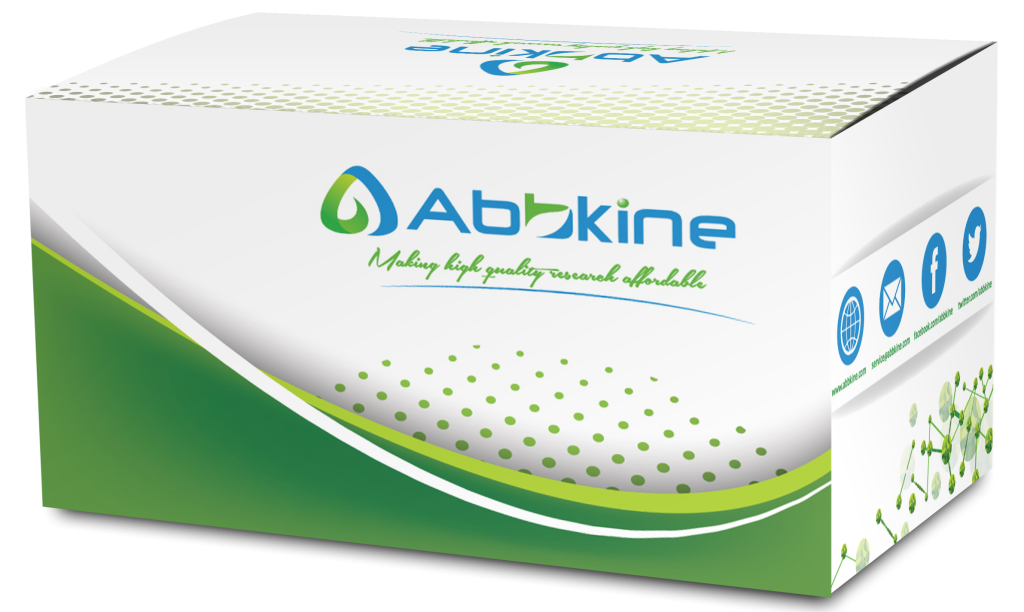
In the rapidly advancing domain of life sciences research, the availability of robust analytical tools for quantifying oxidative stress biomarkers is indispensable. Hydroxyl free radicals, as highly reactive oxygen species (ROS) capable of inducing oxidative damage to cellular macromolecules—including DNA, proteins, and lipids—are pivotal to investigations spanning aging mechanisms, disease pathogenesis, and antioxidant development. Against this backdrop, Abbkine’s CheKine™ Micro Hydroxyl Free Radical Scavenging Capacity Assay Kit (Catalog No.: KTB1091) has emerged as a prominent tool in academic and industrial laboratories, garnering significant attention for its technical rigor and research applicability.
Fundamentally, the distinguishing feature of the KTB1091 kit lies in its adoption of the salicylic acid method, a well-validated and widely recognized technique for hydroxyl free radical detection. This methodological framework ensures the generation of accurate, reproducible data while minimizing experimental complexity—a critical advantage in high-throughput research environments where efficiency is paramount. Notably, the kit exhibits broad sample compatibility, accommodating diverse matrices such as plasma, serum, bacterial cultures, animal/plant tissues, and cultured cells. This versatility eliminates the need for multiple specialized assays, thereby streamlining experimental workflows and enhancing research scalability, which is particularly valuable for studies involving heterogeneous sample sets.
A key indicator of the kit’s scientific impact is its track record in supporting peer-reviewed research. With over 2000 views on the manufacturer’s platform and four published studies attributed to its use (a figure that continues to grow), the KTB1091 kit has demonstrated its utility in advancing knowledge across multiple research areas. These applications range from evaluating the antioxidant potential of natural products and synthetic compounds to investigating the role of oxidative stress in chronic conditions such as neurodegenerative diseases, cardiovascular disorders, and metabolic syndromes. By providing reliable quantification of hydroxyl free radical scavenging capacity, the kit facilitates the generation of empirical evidence that underpins hypothesis testing and theory development in oxidative stress research.
From a technical perspective, the KTB1091 kit incorporates optimized assay conditions to enhance sensitivity and specificity. The salicylic acid method operates on the principle of detecting hydroxylation products formed via the reaction between salicylic acid and hydroxyl free radicals. Abbkine’s refinement of this process ensures that even low levels of radical scavenging activity are reliably detected, enabling the differentiation of subtle differences between experimental groups. Additionally, the kit offers a cost-effective solution for research laboratories, with a pricing structure of $79 for 48 tests (48T/48S). This balance of performance and affordability addresses a critical constraint in academic and small-to-medium biotech settings, where budget limitations often intersect with the need for high-quality analytical tools.
User-centric design further reinforces the utility of the KTB1091 kit. The assay protocol is structured to be straightforward, with detailed, step-by-step instructions that minimize the learning curve for researchers at all experience levels. All necessary reagents are included in the kit configuration, eliminating the need for time-consuming sourcing of supplementary materials and reducing the risk of experimental variability associated with reagent incompatibility. This emphasis on usability ensures that researchers can focus on data interpretation rather than troubleshooting technical issues, thereby accelerating the pace of research and improving data reliability.
Within the broader context of life sciences research, the demand for precise hydroxyl free radical detection assays remains sustained. Oxidative stress is increasingly recognized as a convergent pathway in numerous physiological and pathological processes, driving ongoing interest in understanding its molecular mechanisms and therapeutic modulation. Abbkine’s strategic focus on addressing core researcher needs—accuracy, versatility, affordability, and usability—has positioned the KTB1091 kit as a leading choice in this specialized market. Its adoption by the scientific community reflects a collective recognition of its ability to meet the rigorous standards of modern research.
For researchers seeking a validated, high-performance tool for hydroxyl free radical scavenging capacity analysis, the Abbkine KTB1091 kit represents a compelling option. Its methodological robustness, broad sample compatibility, and proven track record in supporting published research make it a reliable asset for studies in oxidative stress and antioxidant biology. Whether investigating the efficacy of novel therapeutic agents, characterizing oxidative stress in disease models, or evaluating the functional properties of natural products, the kit provides the analytical precision necessary to advance research objectives.
Further details regarding the KTB1091 kit, including technical specifications, protocol documents, and user testimonials, are available on the manufacturer’s official product page (https://www.abbkine.com/?s_type=productsearch&s=KTB1091). As the body of research utilizing this kit continues to expand, it is poised to remain a cornerstone tool in oxidative stress investigations, contributing to the development of evidence-based insights that may inform future clinical and translational research.
In summary, Abbkine’s KTB1091 CheKine™ Micro Hydroxyl Free Radical Scavenging Capacity Assay Kit embodies the technical excellence and practical utility required of modern research tools. Its integration of validated methodology, broad applicability, and user-centric design addresses critical gaps in oxidative stress analysis, making it an invaluable resource for advancing scientific understanding in this important field. For researchers committed to rigor and reproducibility, the KTB1091 kit offers a reliable and cost-effective solution to support their investigative endeavors.





