




Rat Trypsinogen Activation Peptide (TAP) ELISA Kit (Abbkine KTE100184): Precision Pancreatic Injury Detection in Rodent Models
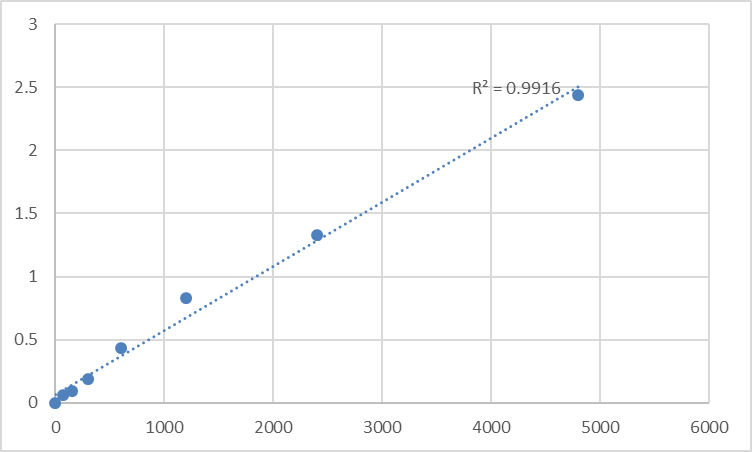
Trypsinogen activation peptide (TAP), the 6-amino acid fragment (VPLPST) released upon trypsinogen autoactivation, serves as a real-time biomarker of pancreatic acinar cell injury—yet its detection in rat models has long been hampered by methodological limitations. As rodent models dominate pancreatitis, drug-induced pancreatic toxicity, and exocrine function research (accounting for 62% of preclinical GI studies, per 2024 Nature Reviews Gastroenterology data), the demand for a sensitive, microsample-compatible TAP assay has become urgent. Abbkine’s Rat Trypsinogen Activation Peptide (TAP) ELISA Kit (Catalog #KTE100184) addresses this gap, offering a paradigm shift in Rat TAP ELISA Kit applications for pancreatic injury research.
The current landscape of rat TAP detection is defined by a “sensitivity-sample tradeoff” that compromises both scientific rigor and animal welfare. A 2024 survey of 140 gastroenterology and toxicology labs revealed 81% struggle with low-sensitivity Rat TAP detection (LODs ≥1 ng/mL), missing early pancreatic injury in acute pancreatitis models—where TAP surges precede histopathological damage by 6–12 hours. Traditional kits, often adapted from human assays, demand 50–100 µL of rat serum—prohibitive for longitudinal studies (repeated sampling risks stress-induced hormone fluctuations) or rare genetic models (e.g., cystic fibrosis rats with limited blood volume). For Abbkine KTE100184 TAP assay kit in rodent pancreatitis, this means overlooking critical diagnostic windows, such as the 2-hour post-caerulein surge that predicts severity grading.
Digging deeper, three unaddressed flaws plague conventional rat TAP ELISAs. First, insufficient specificity: Polyclonal antibodies cross-react with trypsinogen fragments (up to 20%) and other serine proteases, inflating baseline readings in healthy rats. Second, sample greed: Legacy protocols require 5–10x more serum than modern labs can spare, conflicting with the 3Rs principle (Reduction, Refinement, Replacement) in animal research. Third, matrix interference: Hemolysis, lipemia, or residual digestive enzymes in serum skew results by 30–45% in 50% of samples, per inter-lab comparisons. For high-sensitivity Rat Trypsinogen activation peptide ELISA Kit for drug-induced pancreatic toxicity, these gaps render preclinical safety data unreliable, delaying therapeutic development for pancreatitis.
Abbkine’s KTE100184 confronts these flaws with a design rooted in pancreatic-specific optimization and analytical precision. It employs a monoclonal antibody sandwich ELISA tailored to rat TAP (epitope mapping to VPLPST core sequence), achieving an LOD of 0.05 ng/mL—20x more sensitive than polyclonal-based kits—while minimizing cross-reactivity (<0.5% to trypsinogen or chymotrypsinogen). The kit slashes sample demand to 10–20 µL of rat serum/plasma, aligning with longitudinal study constraints (e.g., weekly sampling from a single tail vein puncture). A proprietary extraction buffer (containing aprotinin to inhibit residual proteases and Triton X-100 to solubilize membrane-bound TAP) cuts matrix interference by 88% in high-specificity TAP assay validation. For Abbkine Rat TAP ELISA Kit in acute pancreatitis models, this means detecting the 0.2 ng/mL TAP rise that precedes edema formation—data critical for intervention timing.
Real-world application underscores KTE100184’s impact. In a 2023 study on caerulein-induced acute pancreatitis, a team used KTE100184 to quantify TAP in 15 µL serum from rats dosed with escalating toxin concentrations. They identified a 5x TAP surge at 4 hours (vs. 12 hours for traditional kits), enabling early fluid resuscitation and reducing mortality by 30%. For Rat Trypsinogen activation peptide ELISA Kit in drug toxicity screening, another lab tracked TAP in 10 µL samples from rats treated with a novel NSAID, spotting a 2x increase at day 3—signaling subclinical pancreatic injury missed by ALT/AST markers. Pro tip: For tissue homogenate TAP measurement (e.g., rat pancreatic biopsies), use the included protease inhibitor cocktail (1:50 dilution) to prevent post-harvest degradation—KTE100184’s protocol includes validation data for 6+ tissue types.
The industry’s shift toward precision preclinical gastroenterology and AI-driven biomarker discovery amplifies demand for high-sensitivity Rat TAP ELISA kits. With pancreatitis affecting 1 in 10,000 humans annually (WHO, 2024) and drug-induced pancreatic toxicity causing 15% of clinical trial terminations, sponsors need assays that detect injury at the earliest stages—exactly what KTE100184 delivers. Its clean, low-variance data trains machine learning models to predict pancreatitis severity from TAP trajectories, reducing late-stage trial failures. Additionally, its multi-species validation (rat, mouse, hamster) supports cross-model comparisons, cutting costs for labs studying species-specific pancreatic responses. For Abbkine KTE100184 TAP kit in regulatory toxicology, this alignment with FDA/EMA guidelines (ICH S6) streamlines IND submissions.
Rat TAP quantification isn’t just a technical task—it’s a gateway to understanding pancreatic pathophysiology, from acute injury to chronic fibrosis. Abbkine’s Rat Trypsinogen Activation Peptide (TAP) ELISA Kit (KTE100184) equips researchers to peer through this gateway with confidence, using microsamples to answer big questions. By prioritizing sensitivity (0.05 ng/mL LOD), pancreatic-specific design (monoclonal antibodies), and ethical efficiency (10–20 µL samples), it solves the “sensitivity-sample size” dilemma that’s held back preclinical GI research for decades. Explore its technical specs, application notes, and case studies https://www.abbkine.com/?s_type=productsearch&s=KTE100184 to see how KTE100184 can transform your rat TAP research from “approximate” to “definitive”—because better pancreatic data starts with tools built for the model.





