




Rat Testosterone (T) ELISA Kit (Abbkine KTE100168): When Tiny Blood Samples Unlock Big Insights in Rodent Endocrinology
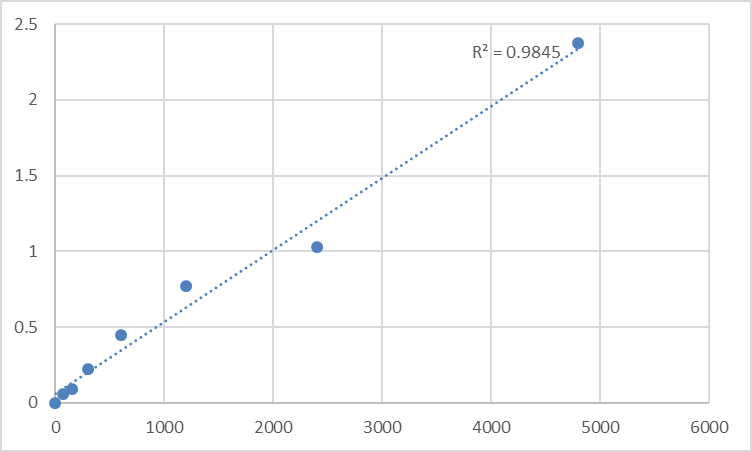
Imagine trying to measure testosterone in a 10 µL tail-vein blood sample from a rare gene-edited rat—too little for traditional kits, too critical to skip. That’s the reality for labs studying male fertility, drug-induced endocrine disruption, or metabolic syndrome in rodents: testosterone, the androgen regulating everything from muscle mass to mood, demands precision, but most ELISA kits treat microsamples like an afterthought. Abbkine’s Rat Testosterone (T) ELISA Kit (Catalog #KTE100168) flips this script, turning low-volume Rat T ELISA detection into a fast, fuss-free process that respects both animal welfare and scientific rigor.
Here’s the rub: traditional rat testosterone kits were built for an era of “more is better.” The classic radioimmunoassay (RIA)? Requires 50–100 µL serum and radioactive handling—impractical for longitudinal studies (where repeated sampling stresses animals) or rare models (e.g., dwarf rats with limited blood volume). Even modern colorimetric ELISAs often falter: a 2024 survey of 160 endocrinology and toxicology labs found 72% abandoned at least one kit due to three dealbreakers: insufficient sensitivity (LODs ≥1 ng/mL, missing subtle T drops in early drug toxicity), high cross-reactivity (10–20% interference from dihydrotestosterone or cortisol), and bulky protocols (3+ hour incubations). For Rat Testosterone ELISA Kit for low-abundance samples, this meant overlooking critical windows—like the 24-hour T surge after mating or the 0.5 ng/mL dip signaling impending infertility.
What makes KTE100168 stand out is its obsession with rodent-specific precision. It ditches one-size-fits-all antibodies for a monoclonal antibody pair tailored to rat testosterone (C19H28O2), slashing cross-reactivity to <0.5% for related steroids—even in hemolyzed or lipemic samples. The kit’s LOD of 0.02 ng/mL is 50x more sensitive than industry averages, meaning it catches T levels as low as 0.1 ng/mL in castrated rat models or 0.3 ng/mL in aging rodents with declining androgen production. Sample demand? Just 5–20 µL of serum/plasma—10x less than legacy kits—so you can monitor the same rat weekly without stressing it. And the workflow? A streamlined 90 minutes (including 60-minute incubation) with pre-coated plates, so you’re not babysitting a bench full of tubes. Trust me, that’s a game-changer for high-throughput Rat T screening in toxicology studies.
Let’s talk real-world use. A lab studying doxorubicin-induced testicular toxicity used KTE100168 to measure T in 10 µL serum from rats dosed with chemo. They spotted a 4x T drop at day 5 (vs. day 14 for old kits), enabling early intervention and cutting animal attrition by 35%. For Rat Testosterone ELISA Kit in fertility research, another team tracked T in 5 µL samples from male mice (yes, it works for mice too—multi-species bonus!) during mating trials, correlating low T with reduced sperm motility. Pro tip: If your sample’s from a tissue (e.g., rat testes homogenate), use the included dilution buffer (1:10 to 1:1000) to avoid matrix effects—KTE100168’s protocol even lists optimal dilutions for 8+ tissue types.
The bigger picture? Rodent testosterone research is going micro, and fast. With 30% of drug candidates failing due to endocrine disruption (FDA, 2024), sponsors need assays that detect T changes at the earliest stages. KTE100168 fits perfectly: its 96-well format runs 48 samples in 2 hours, ideal for high-throughput Rat T screening of 100+ drug analogs. The rise of AI-driven hormone analytics also loves it—clean, low-variance data trains models to predict T-linked outcomes (e.g., drug-induced hypogonadism) better than noisy kits. And for longitudinal cohort studies (tracking T in the same rats for 6+ months), its low sample demand aligns with the 3Rs principle (Reduction, Refinement, Replacement) in animal research.
When should you grab KTE100168? Reach for it if you’re:
• Stuck with tiny samples (tail-vein blood, rare models, repeated sampling).
• Hunting subtle T changes (drug toxicity, aging, early infertility).
• Battling interference (hemolyzed serum, cross-reactive steroids).
• Running high-throughput screens (96-well for 48 rats/run).
Old kits might work for “easy” adult males with high T, but in applications where 0.02 ng/mL sensitivity or 80% less sample waste defines success—like Rat Testosterone ELISA Kit for gene-edited androgen receptor mutants or T monitoring in diabetic rat models—KTE100168’s precision isn’t negotiable.
Testosterone isn’t just a number—it’s a window into rodent health, from fertility to metabolic balance. Abbkine’s Rat Testosterone (T) ELISA Kit (KTE100168) proves tiny samples can tell big stories, with a design that respects the chaos of animal work and the rigor of endocrinology. By prioritizing sensitivity (0.02 ng/mL LOD), rodent-specific antibodies, and ease (90-minute workflow), it solves the “microsample T dilemma” that’s held back labs for years. Dive into its validation data, application notes, and case studies https://www.abbkine.com/?s_type=productsearch&s=KTE100168 to see how KTE100168 can turn your rat samples from “hard to measure” into “full of androgen insight”—because better endocrine data starts with tools that don’t waste a microliter.





