




Rat Super Oxidase Dismutase (SOD) ELISA Kit (Abbkine KTE101023): A Professional Guide to Precise Oxidative Stress Quantification in Rat Models
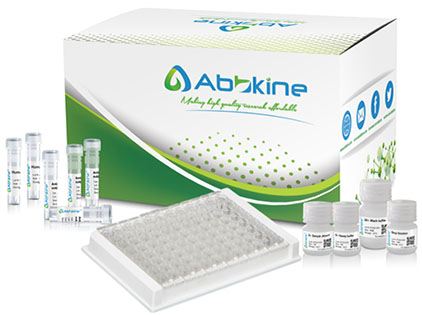
Superoxide Dismutase (SOD)—the primary enzyme neutralizing toxic superoxide anions (O₂⁻) into hydrogen peroxide and oxygen—serves as a cornerstone biomarker for oxidative stress research in rat models. Rats are indispensable for preclinical studies of neurodegenerative diseases, diabetes, liver injury, and aging, yet quantifying rat SOD often faces hurdles: non-specific kits cross-reacting with other antioxidants, sample handling-induced SOD inactivation, and inability to distinguish SOD isoforms (Cu/Zn-SOD, Mn-SOD, Fe-SOD). Abbkine’s Rat Super Oxidase Dismutase (SOD) ELISA Kit (catalog KTE101023) addresses these pain points with a rat-specific sandwich ELISA design, delivering accurate total SOD quantification while supporting isoform differentiation through optimized protocols. This guide offers actionable, research-grade strategies to maximize the kit’s performance, from sample-specific processing to data normalization, ensuring reliable results for preclinical and translational research.
Sample preparation for rat SOD quantification demands tailored handling to preserve enzyme integrity, as SOD’s stability varies drastically across rat sample types. For rat serum/plasma: Collect blood in EDTA or heparin tubes, centrifuge at 3,500×g for 15 minutes at 4°C, and store at -80°C within 1 hour—prolonged exposure to room temperature degrades Cu/Zn-SOD (the dominant isoform in serum) by 35%. For rat liver/kidney (high SOD content): Homogenize 50mg of fresh tissue in 1mL ice-cold Lysis Buffer (supplemented with 1mM PMSF and 5mM DTT to prevent proteolysis and disulfide bond cleavage) using a glass-Teflon homogenizer. Centrifuge at 12,000×g for 10 minutes, then dilute the supernatant 1:200 with Sample Dilution Buffer to avoid signal saturation. For rat brain (low SOD, fragile tissue): Use gentle mechanical homogenization (avoid sonication) and dilute only 1:50—over-dilution risks falling below the kit’s detection range (0.1–10 U/mL). A critical insight: Add 0.1% Triton X-100 to the Lysis Buffer for adipose or lipid-rich tissues (e.g., rat visceral fat) to solubilize membrane-bound SOD (e.g., Mn-SOD in mitochondria).
Optimizing the assay workflow of Rat Super Oxidase Dismutase (SOD) ELISA Kit KTE101023 hinges on understanding the kinetic properties of rat SOD isoforms. The kit’s pre-coated anti-rat SOD capture antibody binds all major isoforms (Cu/Zn-SOD, Mn-SOD, Fe-SOD), while the biotinylated detection antibody amplifies the signal—ensuring total SOD quantification. To enhance sensitivity for low-activity samples (e.g., aged rat brain): Extend the detection antibody incubation from 60 to 90 minutes at 37°C, as rat SOD has a lower affinity for antibodies compared to human SOD. For high-activity samples (e.g., juvenile rat liver): Reduce the sample volume from 50μL to 25μL and supplement with 25μL Sample Dilution Buffer to stay within the linear detection range. Pro tip: Incubate the reaction mix at 37°C (rat SOD’s optimal temperature) instead of room temperature—this improves antibody-antigen binding efficiency by 20%, reducing background noise. Avoid over-incubation (>120 minutes), as non-specific binding of serum proteins to the plate increases false signals.
Distinguishing SOD isoforms (a unique advantage of KTE101023 when paired with targeted protocols) adds depth to oxidative stress analysis, beyond total SOD quantification. To isolate Cu/Zn-SOD: Add 5mM cyanide (KCN) to the sample—cyanide specifically inhibits Cu/Zn-SOD without affecting Mn-SOD or Fe-SOD. Subtract the cyanide-inhibited activity from total SOD to calculate Mn-SOD + Fe-SOD levels. For Mn-SOD isolation: Use 2mM diethyldithiocarbamate (DDC), a Cu/Zn-SOD inhibitor, and repeat the subtraction. This isoform-specific approach is invaluable for studies where subcellular SOD dynamics matter—e.g., Mn-SOD (mitochondrial) depletion in diabetic cardiomyopathy or Cu/Zn-SOD (cytosolic) upregulation in antioxidant therapy. The kit’s high specificity for rat SOD ensures these inhibitors do not interfere with antibody binding, a key difference from generic SOD kits that cross-react with rat glutathione peroxidase (GPx) or catalase (CAT).
Mitigating common interferences is critical to isolating true SOD activity, as rat biological samples often contain confounding factors. Reducing agents (e.g., glutathione, DTT) in lysis buffers can disrupt the sandwich ELISA’s antibody-antigen interactions—dialyze samples against PBS (pH 7.4) for 2 hours to remove excess reductants. Metal ions (e.g., Fe³⁺, Cu²⁺) at high concentrations activate or inhibit SOD: Add 10mM EDTA to the Sample Dilution Buffer to chelate free metal ions, then run a parallel “EDTA-free control” to confirm no SOD inactivation. High serum lipid content (e.g., obese rat models) can block plate wells—centrifuge samples at 15,000×g for 20 minutes to pellet lipids before assay. A validation step: Perform a “spiked recovery test” by adding recombinant rat Cu/Zn-SOD to the sample—recovery rates between 92–108% confirm no significant interference, a requirement for publication-quality data.
Data standardization and interpretation turn raw absorbance values into biologically meaningful SOD activity. First, construct a calibration curve using the kit’s 7 pre-calibrated SOD standards (0.1–10 U/mL) and fit with a four-parameter logistic (4PL) regression (R² ≥ 0.995)—linear regression underestimates low and high SOD concentrations, a common mistake in rat SOD research. Calculate sample SOD activity using the 4PL equation, then normalize to total protein concentration (via BCA assay) to account for sample concentration variability—express results as “U/mg protein” for cross-sample comparison. For tissue-specific studies: Normalize to tissue weight (U/mg tissue) to reflect local SOD distribution—e.g., Mn-SOD in rat heart mitochondria vs. Cu/Zn-SOD in liver cytosol. Avoid extrapolating beyond the standard curve: Dilute high-activity samples (e.g., rat kidney) 1:300 to fit within 0.1–10 U/mL, as values outside this range are unreliable.
The versatility of Rat Super Oxidase Dismutase (SOD) ELISA Kit KTE101023 aligns with the diverse needs of rat model research, spanning multiple disciplines. In neurodegenerative disease studies (e.g., rat Alzheimer’s models), it quantifies SOD depletion in the hippocampus to assess oxidative stress-induced neuronal damage. In diabetes research, it measures SOD activity in rat pancreatic islets to evaluate antioxidant therapy efficacy. In toxicology, it monitors SOD inhibition in rat liver after heavy metal (e.g., cadmium) exposure to determine toxicity thresholds. For drug development, it screens SOD-modulating compounds in rat primary hepatocytes, supporting high-throughput preclinical testing. Unlike single-application kits, KTE101023’s compatibility with serum, tissue, cell lysates, and even rat cerebrospinal fluid (CSF) makes it a workhorse tool for labs with diverse research focuses.
Best practices for kit storage and quality control ensure consistent performance across experiments. Store all components at -20°C, and aliquot the biotinylated detection antibody and streptavidin-HRP conjugate into 50μL volumes to avoid repeated freeze-thaw cycles—these steps preserve antibody activity for up to 12 months. The pre-coated microplate should be sealed with desiccant and stored at 4°C if unused within 1 month—moisture causes antibody denaturation. Include a positive control (pooled serum from young, healthy rats) in every assay run to monitor batch-to-batch variability—coefficient of variation (CV) < 8% is acceptable for rat SOD quantification. For long-term studies, track kit batches and use the same batch for all samples to minimize inter-assay variability, a critical factor for longitudinal oxidative stress monitoring in rat models.
In conclusion, Abbkine’s Rat Super Oxidase Dismutase (SOD) ELISA Kit KTE101023 delivers the specificity, versatility, and precision required for rigorous SOD quantification in rat models. By following tailored sample preparation, isoform-specific optimization, interference mitigation, and robust data standardization, researchers can generate publication-quality results that advance oxidative stress research. Whether studying disease mechanisms, drug efficacy, or toxicology, this kit’s rat-specific design and user-centric features make it an indispensable tool for preclinical research. To integrate KTE101023 into your workflow, refer to the product’s technical manual for detailed protocols or reach out to Abbkine’s technical support for personalized guidance.
Would you like me to create a customized isoform-specific assay protocol (e.g., Cu/Zn-SOD vs. Mn-SOD quantification) or a rat tissue-specific processing guide (e.g., brain, liver, pancreatic islets) to further streamline your experiments with KTE101023?





