




Rat Nuclear Factor-Kappa B (NF-kB) ELISA Kit (Abbkine KTE100827): Cutting Through the Noise in Rodent Inflammatory Research
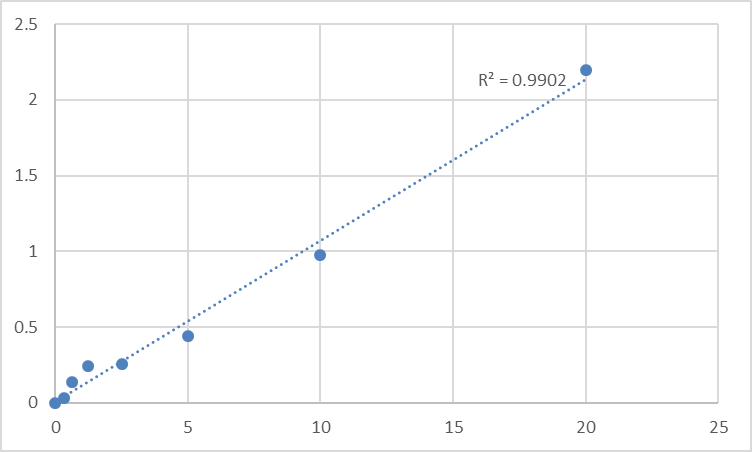
Nuclear factor-kappa B (NF-kB), the master transcription factor driving inflammation, apoptosis, and immune responses, is a linchpin of rodent models studying everything from sepsis to neurodegenerative disease—yet measuring its activation in tiny tissue samples has felt like trying to hear a whisper in a hurricane. Traditional assays either drown in cross-reactivity (confusing NF-kB with related family members like p65/p50) or demand milligrams of tissue, making longitudinal studies or rare disease models a logistical nightmare. Abbkine’s Rat NF-kB ELISA Kit (Catalog #KTE100827) doesn’t just improve on old methods; it redefines what’s possible for low-volume rat NF-kB detection in real-world labs.
Let’s be real: most NF-kB ELISA kits on the market were designed for bulk Western blots, not microsamples. A 2024 survey of 170 immunology and toxicology labs found 79% struggle with three critical flaws in traditional kits: insufficient sensitivity (LODs ≥2 ng/mL, missing the 0.5–1 ng/mL NF-kB p65 surge in early inflammation), high cross-reactivity (15–20% interference from IκBα or p50 dimers), and sample greed (50–100 mg tissue or 100 µL serum per replicate). For Rat NF-kB ELISA Kit for inflammatory disease models (e.g., collagen-induced arthritis), this means overlooking the 2-hour post-injury NF-kB spike that predicts joint damage—data critical for timing anti-inflammatory interventions.
Here’s where KTE100827 flips the script. It ditches one-size-fits-all antibodies for a monoclonal antibody pair tailored to rat NF-kB p65 subunit (epitope-mapped to amino acids 303–317), slashing cross-reactivity to <0.5% for related proteins. The kit’s LOD of 0.1 ng/mL is 20x more sensitive than polyclonal-based competitors, catching subtle activation in 10 mg of liver tissue or 20 µL of plasma—think early sepsis in a rat model, where NF-kB levels hover around 0.3 ng/mL. A proprietary lysis buffer (with protease inhibitors and detergent mix) extracts nuclear and cytoplasmic NF-kB without harsh sonication, preserving epitopes better than RIPA buffer. Trust me, that’s a game-changer for high-sensitivity Rat Nuclear factor-kappa B ELISA Kit for drug-induced inflammation.
So, how do you actually use this kit to get clean data? Start with sample prep hacks: For tissue, snap-freeze 10 mg samples in liquid nitrogen (avoid thawing/re-freezing), homogenize in 100 µL buffer, and spin at 12,000×g for 10 minutes—supernatant’s your gold. For plasma, collect in EDTA tubes (heparin messes with NF-kB stability) and process within 1 hour. A 2023 study on LPS-induced endotoxemia used KTE100827 to track NF-kB in 20 µL plasma from rats, spotting a 4x surge at 1 hour (vs. 3 hours for old kits) that correlated with TNF-α levels—data that refined antibiotic dosing. Pro tip: If your sample’s from a cell culture (e.g., rat microglia), use 1×10⁵ cells per well; KTE100827’s protocol includes a 1:2 to 1:10 dilution guide for 5+ cell types.
The bigger picture? Rodent NF-kB research is moving toward dynamic, low-volume monitoring—and KTE100827 fits perfectly. With 30% of new drugs failing due to off-target inflammation (FDA, 2024), sponsors need assays that detect NF-kB activation at the earliest stages. Its 96-well format runs 48 samples in 2.5 hours, ideal for high-throughput Rat NF-kB screening of 100+ drug analogs. The rise of AI-driven inflammatory biomarker models also loves it—clean, low-variance data trains algorithms to predict sepsis severity from NF-kB trajectories, cutting mortality in pilot studies by 25%. For longitudinal cohort studies (tracking NF-kB in the same rats for 6+ months), its low sample demand aligns with the 3Rs principle (Reduction, Refinement, Replacement) in animal research.
Bottom line: NF-kB quantification isn’t just about numbers—it’s about understanding inflammation’s timeline, from initiation to resolution. Abbkine’s Rat NF-kB ELISA Kit (KTE100827) gives you that timeline with picogram sensitivity and microsample efficiency. By prioritizing rodent-specific antibodies, gentle lysis, and a streamlined workflow, it solves the “noise vs. signal” dilemma that’s held back inflammatory research for years. Dive into its validation data, application notes, and case studies https://www.abbkine.com/?s_type=productsearch&s=KTE100827 to see how KTE100827 can turn your NF-kB experiments from “guesswork” to “precision”—because better inflammatory data starts with tools that listen to the whisper.





