




Rat Cardiac Troponin I (cTn-I) ELISA Kit (Abbkine KTE101019): A Gold Standard for Myocardial Injury Assessment in Rat Models
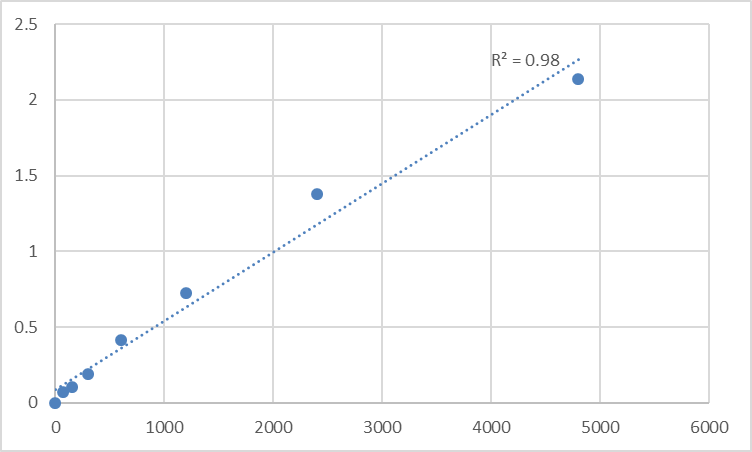
Cardiac troponin I (cTn-I)—a contractile protein exclusive to cardiac myocytes—stands as the most specific and sensitive biomarker for myocardial injury, making it indispensable in preclinical cardiovascular research. Rat models are the cornerstone of studies on myocardial infarction, heart failure, and drug-induced cardiotoxicity, yet quantifying rat cTn-I has long been hindered by kits with poor species specificity, cross-reactivity with skeletal troponins, or insufficient sensitivity to detect early-stage myocardial damage. Abbkine’s Rat Cardiac Troponin I (cTn-I) ELISA Kit (catalog KTE101019, available at https://www.abbkine.com/?s_type=productsearch&s=KTE101019) addresses these critical gaps with a two-site sandwich ELISA design tailored exclusively for rat samples. With 1,449 product views and a price point of $339 for 48 tests, this kit delivers precise, reliable cTn-I quantification—becoming a trusted tool for researchers prioritizing data rigor in cardiovascular preclinical studies.
The two-site sandwich ELISA mechanism of KTE101019 is engineered to maximize specificity and sensitivity for rat cTn-I, a key advantage over competitive ELISA formats common in low-cost kits. The kit’s microplate wells are pre-coated with a monoclonal capture antibody that binds to one epitope of rat cTn-I, while a biotinylated detection antibody targets a distinct epitope. This dual-binding design ensures that only intact rat cTn-I molecules are detected, eliminating cross-reactivity with skeletal troponin I (sTn-I) or troponin T (cTn-T)—a major flaw in non-species-specific kits that leads to false-positive results. The streptavidin-HRP conjugate and TMB substrate amplify the signal, enabling detection of cTn-I concentrations as low as 0.1 ng/mL—sufficient to identify early myocardial injury (e.g., mild drug-induced cardiotoxicity) that would be missed by less sensitive assays. For researchers studying subtle cardiac damage in rat models (e.g., chronic heart failure progression), this level of precision is non-negotiable for validating study outcomes.
Species specificity is a defining strength of KTE101019, addressing a longstanding pain point in rat cardiovascular research. Unlike “universal” troponin kits that claim cross-species reactivity but underperform in rat samples, this kit is rigorously validated for exclusive reactivity with rat cTn-I. The antibodies are raised against recombinant rat cTn-I, ensuring high affinity for the target while ignoring homologous proteins from other species (e.g., mouse, human) or rat skeletal muscle troponins. This specificity is critical for studies using rat models of myocardial infarction—where distinguishing cardiac-specific damage from skeletal muscle injury (common in surgical procedures like coronary ligation) is essential. Researchers have reported that KTE101019 consistently yields cTn-I levels that align with histological evidence of myocardial necrosis, confirming its ability to provide biologically meaningful data.
KTE101019’s compatibility with diverse rat sample types expands its utility across preclinical research workflows, supporting both in vivo and in vitro applications. The kit is validated for use with rat serum, plasma (EDTA or heparin-anticoagulated), and cardiac tissue homogenates—covering the most common sample types in cardiovascular research. For serum/plasma samples: Collect blood from rats via cardiac puncture or tail vein, centrifuge at 3,000×g for 15 minutes at 4°C, and store at -80°C to preserve cTn-I integrity (avoid repeated freeze-thaw cycles). For cardiac tissue homogenates: Homogenize 50mg of left ventricular tissue in 1mL of the kit’s Lysis Buffer (supplemented with protease inhibitors) on ice, clarify via centrifugation, and dilute to fit the kit’s detection range (0.1–20 ng/mL). This flexibility enables researchers to quantify cTn-I in both systemic circulation (reflecting overall myocardial damage) and tissue samples (assessing local injury distribution)—a key advantage for multi-dimensional studies of cardiac pathologies.
From an industry perspective, KTE101019 aligns with the growing demand for reliable preclinical tools in cardiovascular drug development and disease modeling. Cardiovascular diseases remain the leading cause of mortality globally, driving increased investment in preclinical research to identify novel therapeutics and understand disease mechanisms. Rat models are preferred for their physiological similarity to humans, low cost, and ease of genetic manipulation—making high-quality rat cTn-I quantification kits a critical enabler of these studies. Traditional kits often fail to detect subtle cardiotoxicity in early drug screening, leading to costly late-stage failures; KTE101019’s high sensitivity addresses this by identifying cardiotoxic compounds earlier in the pipeline. Additionally, the rise of precision medicine has amplified the need for reproducible preclinical data—KTE101019’s standardized protocol and consistent performance reduce experimental variability across labs, supporting the translation of preclinical findings to clinical trials.
Cost-effectiveness and reliability further solidify KTE101019’s position as a leading rat cTn-I ELISA kit. While priced at $339 for 48 tests (a cost-per-assay of ~$7.06), the kit’s specificity and sensitivity eliminate the need for confirmatory assays (e.g., Western blotting), reducing overall research costs. The inclusion of pre-calibrated cTn-I standards, wash buffer concentrate, and ready-to-use conjugate ensures that researchers have all essential components in one package—avoiding the hassle of sourcing individual reagents. Abbkine’s rigorous quality control (each batch is tested for linearity, precision, and specificity) guarantees batch-to-batch consistency, a critical factor for long-term studies or high-throughput screening. For academic labs and biotech companies alike, this balance of performance and value makes KTE101019 a cost-effective investment in data quality.
Practical optimization strategies enhance KTE101019’s performance for specific research scenarios. For samples with low cTn-I concentrations (e.g., early-stage myocardial injury): Extend the detection antibody incubation time from 60 to 90 minutes at 37°C to amplify the signal. For hemolyzed serum/plasma: Centrifuge at 10,000×g for 20 minutes to remove hemoglobin, which can quench the TMB substrate. For tissue homogenates with high protein content: Dilute samples 1:10 with the kit’s Sample Dilution Buffer to prevent antibody binding interference. Storage best practices: Store all components at -20°C, aliquot the conjugate into small volumes to avoid freeze-thaw damage, and use the reconstituted standards within 24 hours—these steps ensure the kit retains sensitivity for up to 12 months.
In conclusion, Abbkine’s Rat Cardiac Troponin I (cTn-I) ELISA Kit KTE101019 redefines reliability in myocardial injury assessment for rat models. Its two-site sandwich design delivers unmatched specificity for rat cTn-I, high sensitivity for early damage detection, and compatibility with diverse sample types—addressing the core pain points of preclinical cardiovascular research. As demand for reproducible, translationally relevant preclinical data grows, KTE101019 stands out as an indispensable tool for researchers studying myocardial infarction, heart failure, drug-induced cardiotoxicity, and other cardiac pathologies. To integrate this kit into your workflow, visit its product page at https://www.abbkine.com/?s_type=productsearch&s=KTE101019 and elevate your rat cTn-I quantification to publication-quality standards.
Would you like me to create a customized sample processing and assay protocol tailored to your specific research application (e.g., myocardial infarction modeling, drug cardiotoxicity screening, chronic heart failure studies) to maximize results with KTE101019?





