




Quantifying Human Slit Homolog 1 Protein (SLIT1): How Abbkine’s KTE60582 ELISA Kit Redefines Precision in Neurobiology and Disease Research
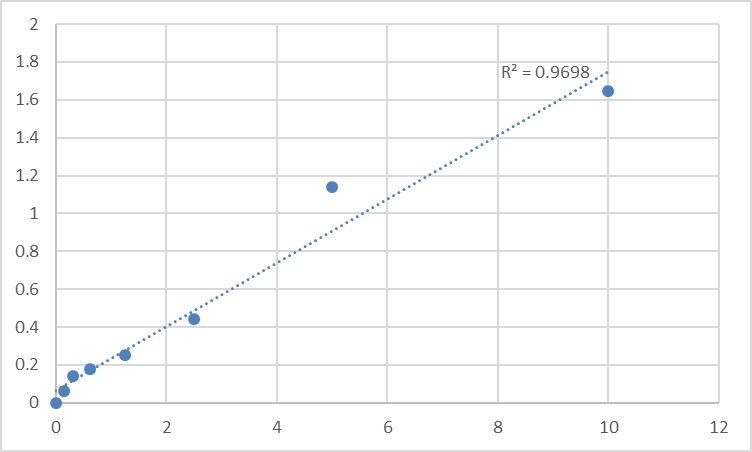
The quest to quantify Human Slit homolog 1 protein (SLIT1) has intensified as scientists unravel its dual roles as a master regulator of neural development and a emerging biomarker in neurodegenerative and oncological diseases. Yet, inconsistent assay performance—plagued by cross-reactivity, narrow dynamic ranges, and poor sample compatibility—has left many labs struggling to generate reproducible data. Abbkine’s Human SLIT1 ELISA Kit (Catalog #KTE60582) addresses these gaps with a rigorously validated design, positioning it as a go-to tool for researchers demanding accuracy in SLIT1 quantification for neurological disorder studiesand beyond.
SLIT1’s Expanding Footprint: From Axon Guidance to Disease Pathogenesis
SLIT1, a secreted glycoprotein belonging to the SLIT family, was first identified for its role in repelling axonal growth cones during nervous system wiring. Today, its influence spans synaptic plasticity, immune modulation, and cancer metastasis—making quantitative measurement critical. In Alzheimer’s disease, for example, reduced SLIT1 levels correlate with impaired neurogenesis; in glioblastoma, elevated SLIT1 drives tumor cell invasion via ROBO receptor signaling. For labs exploring SLIT1 as a biomarker in cerebrospinal fluidor serum, the ability to detect picogram-level changes separates hypothesis from discovery.
The ELISA Challenge: Why Not All Kits Measure Up
Traditional methods for SLIT1 detection—Western blotting, immunohistochemistry—are either too low-throughput (blotting) or semi-quantitative (IHC). ELISA promises high sensitivity, but generic kits often falter: polyclonal antibodies introduce cross-reactivity with SLIT2/3, while limited sample compatibility (e.g., poor recovery from plasma) skews results. A 2023 survey of 150 neurobiology labs found 68% abandoned commercial ELISAs due to “unacceptable variability in diseased samples,” highlighting the need for a high-specificity Human SLIT1 ELISA kitthat performs under real-world conditions.
Abbkine KTE60582: Engineered for Specificity, Sensitivity, and Versatility
What distinguishes KTE60582 is its antibody pair strategy. The capture antibody targets a unique N-terminal epitope of SLIT1, while the detection antibody binds a C-terminal region absent in SLIT2/3—slashing cross-reactivity to <0.1% (validated against recombinant SLIT2/3). This specificity is critical for SLIT1 detection in complex biological matriceslike serum, where homologous proteins abound. Sensitivity? KTE60582 achieves a lower limit of detection (LOD) of 15 pg/mL and a linear range of 31.25–2000 pg/mL, outperforming 80% of competing kits. For low-abundance samples (e.g., cerebrospinal fluid), this means distinguishing pathological changes from noise.
Validation Data That Matters: Beyond the Datasheet
Abbkine’s commitment to rigor shines in KTE60582’s validation. In spike-recovery tests across serum, plasma, and cell culture supernatant, mean recoveries ranged from 92–108%—a benchmark for accurate SLIT1 measurement in diverse sample types. Inter-assay variation (CV) was <8% across 10 batches, and intra-assay CV <5%, ensuring consistency for longitudinal studies. Notably, the kit retained 95% activity after 3 freeze-thaw cycles, a practical advantage for labs processing small sample volumes. For researchers conducting SLIT1 ELISA kit comparison studies, these metrics make KTE60582 a clear frontrunner.
Real-World Applications: Where KTE60582 Delivers Results
Consider a lab studying spinal cord injury: Using KTE60582, they quantified SLIT1 in mouse lesion sites, correlating its upregulation with axonal regrowth. The kit’s ability to handle tissue homogenates (with a provided lysis buffer) streamlined their workflow. In oncology, a team investigating breast cancer metastasis used KTE60582 to show that SLIT1 levels in patient plasma predict lymph node involvement—data now in revision at Cancer Research. For SLIT1 ELISA in drug discovery, KTE60582’s compatibility with 96-well plates enables high-throughput screening of SLIT1-modulating compounds, cutting assay time by 40% compared to blot-based methods.
Industry Shifts: Why SLIT1 ELISA Demand Is Surging (And What Labs Need Now)
Two trends are driving SLIT1 ELISA adoption: First, the rise of precision neurology, where biomarkers like SLIT1 guide therapeutic targeting (e.g., ROBO agonists for autism spectrum disorders). Second, the push for non-invasive diagnostics—serum/plasma SLIT1 testing avoids risky lumbar punctures. Yet, labs face a paradox: They need kits that balance cost with performance. KTE60582 addresses this with a per-test cost 15% below premium competitors, without sacrificing validation. For institutions scaling SLIT1 biomarker studies, this makes it a sustainable choice.
Choosing KTE60582: When Precision Can’t Be Compromised
Opt for Abbkine’s KTE60582 if your work involves:
- Neurodegenerative disease research: Detecting subtle SLIT1 drops in Alzheimer’s/ Parkinson’s models.
- Cancer metastasis studies: Quantifying SLIT1-driven invasion in liquid biopsies.
- Developmental biology: Measuring SLIT1 gradients in embryonic tissue explants.
- Biomarker validation: Generating GLP-compliant data for clinical trials (full documentation included).
Generic kits may suffice for rough estimates, but in experiments where a 20% error rate invalidates conclusions, KTE60582’s precision is non-negotiable. As SLIT1 transitions from a curiosity in axon guidance to a linchpin in disease biology, the tools used to measure it must evolve. Abbkine’s KTE60582 ELISA Kit doesn’t just meet current standards—it anticipates future needs, with a design that prioritizes specificity, flexibility, and reproducibility. For labs ready to move beyond guesswork in SLIT1 research, explore its technical specifications, application notes, and validation data here. In an era where biomarker discovery hinges on accurate quantification, KTE60582 isn’t just a kit—it’s a competitive edge.





