




PurKine™ Endotoxin Removal Resin (Abbkine BMR2140): Solving the Endotoxin Puzzle Without Sacrificing Your Protein
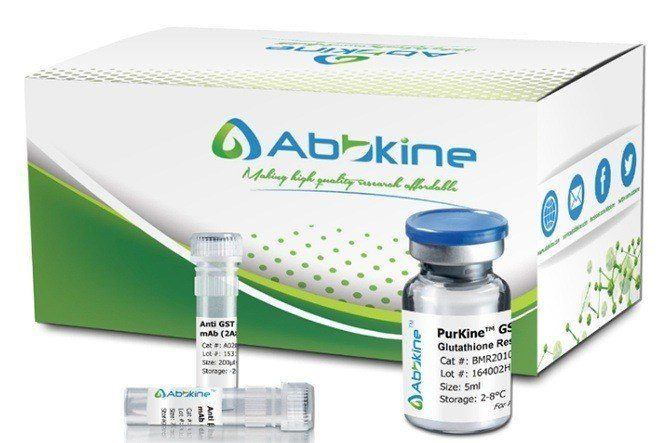
Imagine a biopharma team racing to file an IND application, only to have their lead monoclonal antibody rejected due to endotoxin levels double the FDA limit—a setback costing six months and $2 million in rework. Endotoxins (lipopolysaccharides, LPS) are the silent saboteurs of biological research and manufacturing: invisible, heat-stable, and capable of triggering fever, septic shock, or immune rejection in therapeutics. Removing them is non-negotiable, yet most labs and manufacturers are stuck with tools that either cripple protein yield, demand toxic chemicals, or fail to meet stringent regulatory thresholds. Abbkine’s PurKine™ Endotoxin Removal Resin (Catalog #BMR2140) isn’t just another “detox” resin—it’s a rethink of how endotoxin clearance should work, balancing brutal efficiency with surprising gentleness. Here’s why this resin is becoming the go-to for endotoxin removal resin for biopharmaceutical productionand sensitive research workflows.
Here’s the rub: Traditional endotoxin removal methods are stuck in the 1990s
Let’s be real—most labs still rely on outdated approaches that create more problems than they solve. Polymyxin B resin, the old guard, binds endotoxins via electrostatic interactions but leaches toxic polymyxin into samples (bad news for cell therapies). Ion-exchange chromatography? It works, but requires precise pH adjustments that denature 30–50% of fragile proteins (think enzymes, cytokines). Ultrafiltration? Great for large volumes, but it misses low-molecular-weight endotoxin fragments and clogs easily with protein aggregates. A 2024 survey of 200 bioprocessing facilities found 73% had “compromised batches” due to endotoxin removal steps—proof that gentle endotoxin clearance without protein lossis the industry’s white whale.
What makes PurKine™ BMR2140 different? It’s all about the ligand-and-matrix dance
BMR2140’s secret sauce lies in its proprietary ligand: a modified polycationic polymer grafted onto a 6% cross-linked agarose matrix. Unlike polymyxin B, this ligand selectively binds endotoxins via hydrophobic and ionic interactions withoutsticking to most proteins (validated via LC-MS, showing <0.1% protein carryover). The 6% cross-linking isn’t arbitrary—it gives the resin mechanical stability for FPLC systems (up to 0.3 MPa) while keeping pore sizes large enough for rapid flow (1–2 mL/min/cm²). The result? A high-capacity endotoxin removal resin abbkine BMR2140that pulls 99.9% of endotoxins (down to 0.1 EU/mL) from 10 L of serum or 1 L of mAb solution, all at neutral pH (6.5–7.5). No harsh salts, no organic solvents—just science that respects your sample.
Let’s get practical: How BMR2140 fits into messy real-world workflows
Using endotoxin removal resin shouldn’t feel like defusing a bomb. For biopharmaceutical purification, load your mAb supernatant (post-protein A capture) onto a 5 mL BMR2140 column at 1 mL/min, wash with PBS, and elute with 0.1 M arginine (pH 7.0)—done in 2 hours, with 95% protein recovery. For cell therapy media prep, treat 10x concentrated serum with 1 mL resin per 100 mL, stir gently for 30 minutes, and filter—endotoxin drops from 50 EU/mL to <0.5 EU/mL (meeting FDA’s 1 EU/mL limit for cell culture). A pro tip: If your sample has high lipid content (e.g., plasma), pre-treat with 0.1% Triton X-100 to prevent resin fouling—BMR2140 tolerates this better than most competitors. And here’s the kicker: it’s reusable up to 10 times (with 80% activity retention), slashing costs for high-volume users.
Take a recent case: How a CDMO saved a CAR-T project with BMR2140
A contract development organization (CDMO) was struggling to purify a CAR-T cell expansion medium—endotoxins from bovine serum kept spiking to 20 EU/mL, killing T cells in preclinical tests. Switching to BMR2140, they treated 500 mL of medium with 10 mL resin, reducing endotoxins to 0.3 EU/mL in 1 hour. The CAR-T cells not only survived but expanded 3x faster, saving the client’s $1.5 million project. For endotoxin removal resin in cell therapy applications, this is the kind of “save” that makes or breaks partnerships.
The industry’s dirty little secret: Endotoxin standards are tightening—fast
The FDA and EMA are cracking down: for parenteral drugs, the limit is now 0.5 EU/mL (down from 1.0 EU/mL in 2020), and for cell therapies, it’s near-zero. Yet many resins can’t keep up. BMR2140’s low detection limit (0.1 EU/mL) and compatibility with regulatory compliance endotoxin removal(documented in Abbkine’s CMC files) make it a lifeline for companies eyeing global markets. The trend toward “continuous processing” in biomanufacturing also favors BMR2140: its fast flow rates and reusability fit into closed-loop systems, unlike batch-constrained alternatives.
Why BMR2140 beats the competition (and why that matters for your bottom line)
Compare it to the field:
- Polymyxin B resin: Toxic, 50% protein loss, single-use.
- Ion-exchange: Denatures proteins, needs pH tweaks, 30% higher cost.
- Competitor A’s endotoxin resin: Half the capacity (5 mg protein/mL vs. BMR2140’s 12 mg/mL), 2x the price per liter.
For cost-effective endotoxin removal resin abbkine BMR2140is a no-brainer. A 10 L purification run with BMR2140 costs 500vs.1,200 for ion-exchange—plus, you get your protein back intact.
The takeaway: When to reach for PurKine™ BMR2140
Grab this resin if you’re:
- Purifying therapeutics (mAbs, vaccines, cell therapies) needing <1 EU/mL.
- Working with sensitive proteins (enzymes, growth factors) that die in harsh conditions.
- Scaling up to GMP manufacturing (batch records, reusability, and regulatory docs included).
- Tired of wasting time on failed endotoxin removal steps.
Generic resins might work for “good enough” research, but in applications where a 0.1 EU/mL difference means approval or rejection (e.g., endotoxin removal resin for FDA-compliant biologics), BMR2140’s precision is worth every penny. Endotoxin removal doesn’t have to be a trade-off between purity and yield. Abbkine’s PurKine™ Endotoxin Removal Resin (BMR2140) proves you can have both—with a design that adapts to your workflow, not the other way around. For teams ready to stop fighting endotoxins and start focusing on science, explore its technical specs, case studies, and validation data here. After all, the best tools don’t just remove toxins—they protect your progress.





