




PurKine™ Endotoxin Removal Kit (Polymyxin B) (Abbkine KTP2140): A Professional Guide to Reliable Endotoxin Depletion in Biological Samples
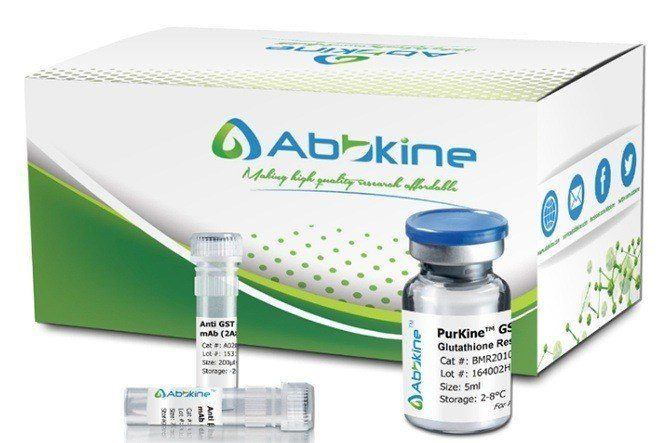
Endotoxin (lipopolysaccharide, LPS)—a cell wall component of Gram-negative bacteria—poses a catastrophic threat to biological research, biopharmaceutical production, and cell therapy. Even picogram-level contamination triggers unwanted immune responses (e.g., cytokine storms in cell cultures), invalidates assay results, and fails regulatory compliance (FDA/EMA mandates endotoxin levels <0.06 EU/mL for injectables). Yet, removing endotoxin without compromising target molecules (proteins, antibodies, viruses) has long been a bottleneck: traditional methods like ultrafiltration lack specificity, while acid/base treatment denatures biomolecules. Abbkine’s PurKine™ Endotoxin Removal Kit (Polymyxin B) (catalog KTP2140, available at https://www.abbkine.com/?s_type=productsearch&s=KTP2140) addresses this gap with a polymyxin B-based affinity design. Priced at $139 for 1mL resin—cost-effective for small-batch research and pilot-scale production—this kit delivers high endotoxin removal efficiency (>99%), minimal target protein loss (<5%), and broad sample compatibility. This guide offers research-grade insights and actionable strategies to master endotoxin depletion, ensuring sample integrity for downstream applications.
The Science Behind Polymyxin B: Targeted Endotoxin Binding
Polymyxin B’s unique structure is the key to PurKine™ Endotoxin Removal Kit KTP2140’s specificity— a game-changer for selective endotoxin depletion. The cationic cyclic peptide binds tightly to endotoxin’s anionic lipid A domain (the toxic core of LPS) via electrostatic and hydrophobic interactions, forming stable complexes that are easily captured by the kit’s immobilized polymyxin B resin. Unlike non-specific methods (e.g., activated carbon, ion-exchange chromatography), this interaction is endotoxin-exclusive: polymyxin B does not bind most biomolecules (proteins, nucleic acids, viruses) due to their distinct charge and structural properties. Critically, Abbkine’s resin immobilization technology minimizes polymyxin B leaching (<0.01 μg/mL)—a major flaw of free polymyxin B that risks contaminating target samples and inducing cell toxicity. The resin’s porous structure (100–200 nm pores) also ensures high binding capacity (up to 10,000 EU/mL resin), supporting depletion of both high (≥100 EU/mL) and low (≤10 EU/mL) endotoxin loads. For researchers working with sensitive molecules (e.g., monoclonal antibodies, recombinant cytokines), this specificity means endotoxin removal without compromising protein activity or structural integrity.
Practical Operation Guide: Optimizing Endotoxin Depletion for Diverse Samples
Successful endotoxin removal with KTP2140 hinges on tailored sample preparation and process parameters—one-size-fits-all protocols lead to subpar results. Here’s a step-by-step framework with professional insights:
Sample Preprocessing
- For recombinant proteins/antibodies (cell culture supernatants, purified fractions): Adjust sample pH to 7.0–8.0 with 1M Tris-HCl buffer—polymyxin B’s binding affinity declines sharply below pH 6.5. Add 150mM NaCl to enhance electrostatic interactions between polymyxin B and endotoxin.
- For virus samples (adenovirus, lentivirus): Avoid high-salt buffers (>200mM NaCl) that disrupt viral capsids; use 50mM Tris-HCl (pH 7.5) + 100mM NaCl. Supplement with 0.01% Tween-20 to prevent viral aggregation.
- For cell therapy products (mesenchymal stem cells, T cells): Use serum-free, endotoxin-free media (e.g., DMEM/F12) to dilute samples 1:1—serum proteins can compete with endotoxin for polymyxin B binding.
Core Operation Steps
- Equilibrate the PurKine™ Endotoxin Removal Kit (Polymyxin B) resin with 5× resin volume of equilibration buffer (matching sample buffer) at room temperature—this removes storage preservatives and primes the resin for binding.
- Mix the equilibrated resin with the preprocessed sample at a ratio of 1:10 (resin:sample, v/v) for small volumes (≤10mL), or use a gravity flow column for larger volumes.
- Incubate with gentle shaking (50 rpm) at 4°C for 30–60 minutes—longer incubation (up to 2 hours) improves removal efficiency for high-endotoxin samples, but avoid >4 hours to prevent protein degradation.
- Centrifuge at 500×g for 5 minutes (batch method) or collect flow-through (column method) to obtain endotoxin-depleted sample.
- Wash the resin with 2× resin volume of equilibration buffer and combine with the flow-through to maximize target protein recovery.
Critical Optimization Tips
- For hydrophobic proteins: Add 0.1% CHAPS (a mild detergent) to the buffer—this prevents protein adsorption to the resin without interfering with endotoxin binding.
- For high-viscosity samples (e.g., serum, tissue homogenates): Centrifuge at 10,000×g for 10 minutes to remove particulates before resin incubation—debris blocks resin pores and reduces binding capacity.
- For endotoxin verification: Use a limulus amebocyte lysate (LAL) assay (e.g., chromogenic LAL) to quantify residual endotoxin—KTP2140 consistently reduces levels to <0.05 EU/mL for most samples, meeting regulatory standards.
Application Scenarios: From Research to Biomanufacturing
PurKine™ Endotoxin Removal Kit (Polymyxin B) KTP2140’s versatility aligns with the diverse needs of biological research and biopharmaceuticals, spanning three high-impact use cases:
- Recombinant Protein Production: Depletes endotoxin from E. coli-expressed proteins (a major source of LPS contamination) for in vitro assays (e.g., cell signaling, enzyme activity) and animal studies—ensures reliable data without immune interference.
- Cell Therapy & Regenerative Medicine: Removes endotoxin from cell culture media and cryopreservation solutions to prevent adverse reactions in patients—critical for FDA-approved cell therapies (e.g., CAR-T, MSC therapies).
- Diagnostic Reagent Development: Purifies endotoxin-free antigens, antibodies, and enzymes for immunoassays (e.g., ELISA, lateral flow tests)—avoids false positives caused by LPS-induced immune activation.
- Vaccine R&D: Depletes endotoxin from viral vectors (e.g., adenovirus, VSV) and subunit vaccines to enhance safety—LPS contamination in vaccines triggers fever and inflammation in clinical trials.
Industry Insight: Meeting Regulatory Demands for Endotoxin Control
The global biopharmaceutical market’s strict regulatory landscape (FDA 21 CFR Part 610, EMA Guidelines on Pyrogens) has elevated endotoxin removal from a “nice-to-have” to a “must-have” step. For small biotechs and academic labs, traditional large-scale endotoxin removal systems (e.g., tangential flow filtration) are prohibitively expensive ($5,000+). PurKine™ Endotoxin Removal Kit (Polymyxin B) KTP2140 fills this niche with its affordable price point ($139/1mL) and scalability—researchers can scale up by combining multiple kits for pilot-scale production (50–100mL samples) without sacrificing performance. Additionally, the rise of cell and gene therapies (a $30 billion+ market by 2030) demands endotoxin removal tools compatible with sensitive cells and viral vectors—KTP2140’s gentle process (no harsh chemicals, minimal shear stress) makes it ideal for these applications. Its 1mL format also reduces waste for small-batch research, aligning with sustainable lab practices.
Quality Control & Storage: Ensuring Consistent Performance
Preserving KTP2140’s efficacy requires adherence to strict quality control and storage protocols—critical for reproducibility across experiments. Each kit undergoes rigorous batch validation: endotoxin binding capacity (≥8,000 EU/mL resin), target protein recovery (>95% for IgG, BSA), and polymyxin B leaching (<0.01 μg/mL) are verified via LAL assay and HPLC. Store the resin at 2–8°C in its original storage buffer (50mM Tris-HCl + 150mM NaCl + 0.02% sodium azide)—avoid freezing, which damages the resin matrix. After opening, use the resin within 1 month and keep it sealed to prevent contamination. For long-term storage (>6 months), aliquot the resin into single-use volumes (100μL) to minimize repeated exposure to air.
In conclusion, Abbkine’s PurKine™ Endotoxin Removal Kit (Polymyxin B) KTP2140 delivers the specificity, efficiency, and versatility required for reliable endotoxin depletion in biological samples. By following tailored sample preprocessing, optimized operation steps, and strict quality control, researchers and biomanufacturers can meet regulatory demands, validate assay results, and protect sensitive biological molecules. This kit’s professional-grade design, cost-effectiveness, and alignment with industry trends make it an indispensable tool for anyone working with Gram-negative bacteria-derived samples, cell therapies, or biopharmaceuticals. To integrate KTP2140 into your workflow, visit its product page for detailed technical notes and application examples.
Would you like me to create a customized endotoxin removal protocol tailored to your specific sample type (e.g., recombinant antibodies, viral vectors, cell therapy media) or application (e.g., preclinical research, diagnostic reagent production) to further optimize depletion efficiency with KTP2140?





