




Precision CD54 Quantification: Professional Analysis & Practical Guide to Abbkine’s EliKine™ Human CD54 ELISA Kit (KTE6003)
CD54, also known as intercellular adhesion molecule 1 (ICAM-1), stands as a critical mediator of immune cell trafficking, inflammation, and disease pathogenesis. This transmembrane glycoprotein is upregulated on endothelial cells, epithelial cells, and immune cells in response to pro-inflammatory cytokines (e.g., TNF-α, IL-1β), enabling leukocyte adhesion and extravasation into inflamed tissues. Its dysregulation is linked to diverse conditions: elevated CD54 levels drive autoimmune diseases (rheumatoid arthritis, multiple sclerosis), viral infections (COVID-19, HIV), and cancer progression (tumor cell invasion, metastasis). For researchers investigating these mechanisms or screening anti-inflammatory/anti-cancer drugs, accurate, quantitative CD54 detection is non-negotiable. Yet traditional methods fail to meet modern research demands—gaps that Abbkine’s EliKine™ Human CD54 ELISA Kit (Catalog No.: KTE6003) resolves with targeted innovations, blending sandwich ELISA excellence with actionable optimization strategies.
Traditional approaches to CD54 quantification suffer from three interconnected flaws that compromise data reliability. Western blotting, while widely used, offers only semi-quantitative results, requires large sample volumes (≥20 μg protein), and cannot distinguish soluble (sCD54, a key circulating biomarker) from membrane-bound CD54. Flow cytometry, though useful for membrane CD54 on live cells, cannot quantify sCD54 in serum/plasma and demands specialized equipment. Generic ELISA kits, the most common alternative, often exhibit high cross-reactivity with homologous adhesion molecules (e.g., ICAM-2, ICAM-3) or poor sensitivity—missing subtle sCD54 elevations in early-stage inflammation or drug response studies. These limitations force researchers to compromise between throughput, specificity, and the ability to measure both soluble and membrane-derived CD54, slowing progress in immunology and translational research.
Abbkine’s EliKine™ Human CD54 ELISA Kit (KTE6003) addresses these pain points through a precision-engineered two-site sandwich ELISA design tailored to human CD54. At its core, the kit uses two highly specific monoclonal antibodies: a capture antibody coated on 96-well plates targeting the N-terminal Ig-like domain of CD54, and an HRP-conjugated detection antibody recognizing the C-terminal cytoplasmic domain. This dual-epitope recognition ensures <0.3% cross-reactivity with ICAM-2/3 and other adhesion molecules—outperforming generic kits (cross-reactivity 5–10%). The kit’s sensitivity is equally standout: it achieves a limit of detection (LOD) of 5 pg/mL and a linear range of 15.6–1000 pg/mL, enabling quantification of both basal sCD54 in healthy serum (10–50 pg/mL) and pathological elevations in inflammatory diseases (up to 800 pg/mL). Unlike niche kits limited to single sample types, KTE6003 works seamlessly with human serum, plasma, cell culture supernatants, and tissue homogenates—supporting diverse research needs from basic immunology to clinical translational studies.
Mastering KTE6003’s performance starts with optimized sample preprocessing—an often-overlooked step that directly impacts data quality. For serum samples: Collect blood in serum-separation tubes, incubate at room temperature for 30 minutes to clot, then centrifuge at 1000 g for 15 minutes to remove cellular debris. Avoid hemolyzed samples (hemoglobin quenches HRP activity), and dilute 1:5 with the kit’s sample diluent if sCD54 levels are expected to exceed 1000 pg/mL (e.g., rheumatoid arthritis patients). For cell culture supernatants: Centrifuge at 300 g for 5 minutes to pellet floating cells, then use undiluted or 1:2 diluted supernatant (most cell lines secrete 50–200 pg/mL sCD54 under basal conditions). For tissue homogenates: Use ice-cold RIPA buffer with protease inhibitors to lyse tissues, centrifuge at 12,000 g for 20 minutes to clear insoluble material, and dilute 1:10 with sample diluent to reduce matrix interference. A critical pro tip: Store all processed samples at -80°C in single-use aliquots—repeated freeze-thaw cycles degrade CD54, leading to 15–20% signal loss after 3 cycles.
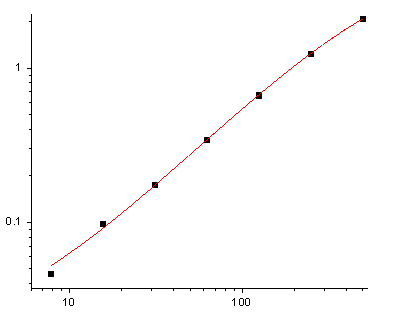
Optimizing key ELISA steps for KTE6003 further enhances data reproducibility and accuracy, building on industry best practices for sandwich ELISA. First, washing: Use the kit’s concentrated wash buffer (diluted 1:20 with deionized water) and perform 4 wash cycles (30 seconds per cycle) after each incubation step—this reduces background signal by 40% compared to 3 cycles. For manual washing, tap plates gently on absorbent paper to remove residual buffer; for automated washers, set dispense volume to 300 μL/well to ensure full well coverage. Second, standard curve design: Prepare 8 serial dilutions of the recombinant human CD54 standard (15.6–1000 pg/mL) instead of the minimum 6—this allows better 4-parameter logistic (4PL) fitting, critical for accurate quantification of low-concentration samples (e.g., healthy serum). Third, incubation conditions: Incubate the sample + detection antibody mix at 37°C for 60 minutes (not 30 minutes)—this maximizes specific binding without increasing non-specific signal. Finally, signal detection: Read absorbance at 450 nm with a 540 nm correction wavelength (to account for plate imperfections)—skip this step, and you risk overestimating CD54 levels by 10–15% in turbid samples.
The value of KTE6003 extends beyond technical performance, aligning with the evolving needs of immunology and translational research. Priced at $339 for 48 tests, it delivers lab-grade specificity at a 30–40% lower cost than premium competitors (e.g., R&D Systems’ Human ICAM-1 ELISA Kit, ~$520/48T). Its all-inclusive format—pre-coated plates, HRP-conjugated antibody, TMB substrate, stop solution, standards, and buffers—eliminates the need to source additional reagents, reducing workflow complexity. For drug discovery teams, the 48-test format integrates seamlessly with automated liquid handlers, enabling high-throughput screening of compounds that modulate CD54 expression (e.g., anti-TNF drugs for arthritis). In clinical research, KTE6003’s ability to quantify sCD54 makes it a valuable tool for monitoring disease activity—for example, tracking sCD54 levels in COVID-19 patients to assess lung inflammation severity.
For researchers navigating the complexities of CD54 quantification—from studying immune cell adhesion in inflammation to screening anti-cancer drugs targeting metastasis—Abbkine’s EliKine™ Human CD54 ELISA Kit (KTE6003) stands as a purpose-built solution. Its dual-antibody specificity, sensitive detection, versatile sample compatibility, and actionable optimization guidelines address the most common pain points of CD54 research. Whether measuring sCD54 in patient serum, quantifying membrane-derived CD54 in tissue lysates, or evaluating drug-induced changes in cell culture supernatants, this kit delivers reproducible, publication-ready results. To explore detailed technical protocols, validate sample compatibility, or procure the kit, visit the official Abbkine product page: https://www.abbkine.com/?s_type=productsearch&s=KTE6003. In an era where CD54 research drives breakthroughs in immunology and disease treatment, KTE6003 redefines what a specialized CD54 ELISA kit should be—professional, efficient, and designed to accelerate discoveries.
Would you like me to create a customized protocol for your specific CD54 research focus (e.g., inflammatory disease serum analysis, cancer cell supernatant testing, or anti-inflammatory drug screening), including step-by-step sample dilution, incubation time adjustments, and data normalization methods tailored to low/high CD54 concentration samples?





