




Precision Assessment of Superoxide Anion Scavenging Capacity: Abbkine KTB1080 CheKine™ Micro Assay Kit
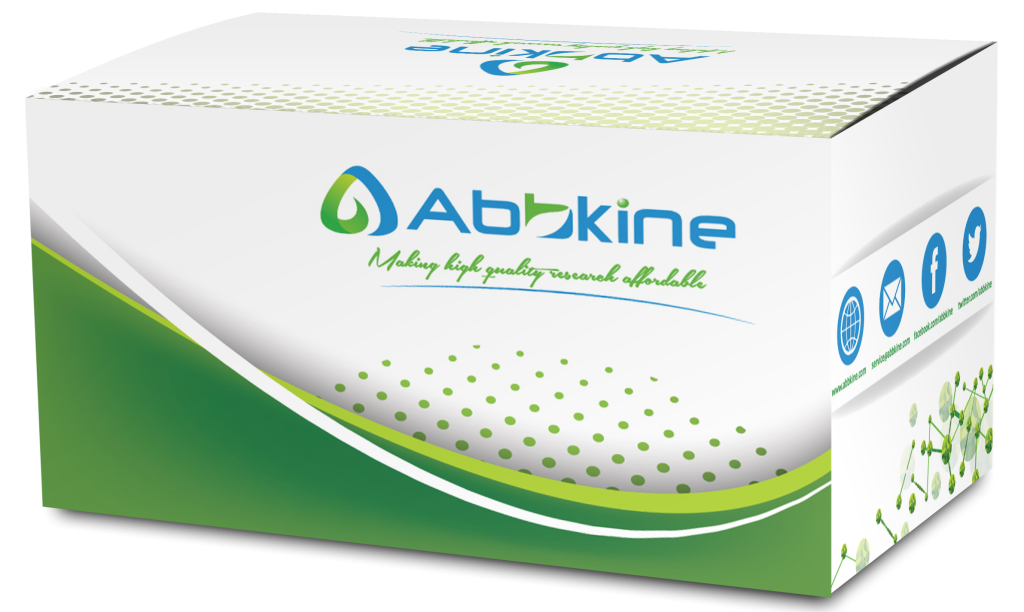
In the intricate realm of cellular physiology and pathological processes, the superoxide anion (O₂⁻•) stands as a pivotal reactive oxygen species (ROS) with profound biological implications. Generated as a byproduct of mitochondrial oxidative phosphorylation, NADPH oxidase-mediated reactions, and other enzymatic pathways, superoxide anions exert dual biological effects: at physiological concentrations, they participate in essential signaling cascades regulating cell proliferation, immune response modulation, and tissue repair; however, aberrant accumulation disrupts redox homeostasis, triggering oxidative stress that induces oxidative damage to lipids, proteins, and nucleic acids. This dysregulation is closely intertwined with the pathogenesis of a broad spectrum of diseases, including neurodegenerative disorders (e.g., Alzheimer’s and Parkinson’s diseases), cardiovascular diseases (e.g., atherosclerosis and myocardial infarction), malignant tumors, metabolic syndrome, and age-related functional decline. For researchers engaged in deciphering the mechanisms underlying oxidative stress and antioxidant defense systems, the Abbkine CheKine™ Micro Superoxide Anion Scavenging Capacity Assay Kit (Catalog No.: KTB1080) represents a state-of-the-art analytical tool, enabling accurate, reproducible, and efficient evaluation of superoxide anion scavenging capacity across diverse sample types, thereby advancing the frontiers of oxidative stress research.
The Fundamental Significance of Superoxide Anion Scavenging Capacity in Biomedical Research
Superoxide anions, characterized by their high chemical reactivity, serve as a primary initiator of oxidative stress cascades. To counteract their cytotoxic effects, biological systems have evolved intricate antioxidant defense mechanisms, encompassing endogenous enzymatic antioxidants (e.g., superoxide dismutase, catalase, glutathione peroxidase) and non-enzymatic antioxidants (e.g., glutathione, vitamin C, vitamin E), as well as exogenous antioxidants derived from dietary sources or pharmaceutical interventions. The scavenging capacity of these systems—defined as their ability to neutralize superoxide anions and mitigate oxidative damage—serves as a critical biomarker of cellular redox balance, tissue resilience against oxidative stress, and the efficacy of antioxidant-based therapeutic strategies. Quantifying this capacity is therefore indispensable for elucidating the molecular mechanisms of oxidative stress-related diseases, evaluating the antioxidant potential of natural products or synthetic compounds, and identifying novel therapeutic targets for disease intervention.Historically, methods for assessing superoxide anion scavenging capacity have been plagued by inherent limitations, including low detection sensitivity, susceptibility to interference from other biomolecules (e.g., reducing agents, metal ions), complex and time-consuming experimental protocols, and poor inter-assay reproducibility. These technical constraints impede the acquisition of accurate, reliable data, hindering the progress of oxidative stress research and translational applications. The Abbkine KTB1080 kit addresses these critical challenges through a specialized microplate-based assay design, integrating optimized reaction chemistry and high-purity reagents to deliver consistent, biologically meaningful results, thus establishing itself as an indispensable asset for modern biomedical research.
Core Technical Attributes and Performance Advantages of KTB1080
- Exceptional Specificity and Sensitivity: The KTB1080 kit employs a highly specific chromogenic or fluorometric reaction system, meticulously optimized to selectively target superoxide anions. This advanced assay design ensures that only the scavenging activity directed against O₂⁻• is quantified, effectively eliminating cross-reactivity with other ROS (e.g., hydrogen peroxide, hydroxyl radicals) or non-specific reducing substances present in the sample matrix. With superior sensitivity, the assay is capable of detecting subtle fluctuations in scavenging capacity, enabling precise measurement of low-abundance antioxidant activity in samples with limited volume (e.g., primary cell cultures, rare tissue specimens) or low antioxidant content (e.g., early-stage biological samples).
- Comprehensive Sample Compatibility: Engineered to meet the diverse needs of biomedical and translational research, the KTB1080 kit exhibits broad compatibility with a wide range of sample types, including mammalian cell lysates (adherent and suspension cultures), tissue homogenates (brain, liver, heart, kidney, and adipose tissue), serum, plasma, cerebrospinal fluid, plant extracts, food supplements, microbial cultures, and environmental samples. The kit’s robust sample preparation protocol incorporates stabilizers and chelating agents to preserve the integrity of antioxidant components during processing, ensuring accurate and reliable results across complex matrices—from clinical specimens to natural product extracts and pharmaceutical formulations.
- Microplate Format for High-Throughput Capability: Featuring a 48T/48S microplate configuration, the KTB1080 kit is specifically tailored to support high-throughput screening initiatives, large-scale experimental designs, and epidemiological studies. This format offers multiple operational advantages: it minimizes sample and reagent consumption (conserving valuable biological materials and reducing experimental costs), enables parallel analysis of up to 48 samples in a single assay run (significantly accelerating data acquisition), and integrates seamlessly with standard microplate readers (eliminating the need for specialized equipment). The streamlined workflow—from sample preparation and reagent addition to incubation and signal detection—reduces hands-on time and experimental variability, ensuring robust consistency across technical and biological replicates, which is critical for meeting the statistical rigor required in peer-reviewed research and regulatory submissions.
- User-Friendly Protocol and Reliable Performance: The KTB1080 kit is designed with a user-centric workflow that minimizes technical barriers, making it accessible to researchers of varying expertise levels. The protocol involves straightforward steps: sample preparation (using the kit’s provided lysis buffer or extraction solution), reagent addition in a standardized volume, incubation at a controlled temperature (typically 37°C) for a fixed duration, and signal detection via absorbance or fluorescence measurement. No specialized technical training or advanced equipment is required, and the entire assay can be completed within 1–2 hours, enabling rapid data generation and analysis. Manufactured under strict quality control standards adhering to ISO 9001 guidelines, each batch of the KTB1080 kit undergoes rigorous testing for linearity (over a broad dynamic range), precision (intra-assay and inter-assay coefficient of variation < 5%), and lot-to-lot consistency, guaranteeing reliable, reproducible results that meet the stringent standards of biomedical research and translational applications.
- Cost-Effective and Scalable: Priced at $49 for 48 tests, the KTB1080 kit delivers exceptional cost-effectiveness without compromising on performance or quality. This accessibility makes it an ideal choice for academic research laboratories operating with limited budgets, biotechnology enterprises engaged in early-stage compound screening, and pharmaceutical research and development teams scaling up high-throughput antioxidant efficacy evaluations. The kit’s scalable format also allows for flexible experimental design, accommodating small-scale pilot studies and large-scale research projects alike.
Abbkine: A Trusted Partner in Advancing Biomedical Research
As a leading provider of high-performance life science research tools, Abbkine is committed to addressing unmet scientific needs through innovation, technical excellence, and rigorous quality assurance. The CheKine™ Micro Superoxide Anion Scavenging Capacity Assay Kit (KTB1080) embodies the brand’s dedication to delivering solutions that combine advanced assay chemistry with user-friendly design, simplifying complex analytical processes without compromising data integrity or scientific rigor. Abbkine’s manufacturing facilities adhere to strict quality management systems, ensuring that each kit is produced under controlled conditions and subjected to comprehensive quality control testing. Furthermore, the brand provides extensive technical support, including detailed protocol guides, troubleshooting resources, and expert consultation, to assist researchers in optimizing their experiments and maximizing the value of the kit. This commitment to quality and customer support has established Abbkine as a trusted partner for researchers worldwide, enabling advancements in oxidative stress research, disease mechanism elucidation, and therapeutic development.
Advance Your Oxidative Stress Research with KTB1080
To overcome the limitations of conventional assay methods and enhance the precision, efficiency, and reproducibility of superoxide anion scavenging capacity assessment, researchers are invited to adopt the Abbkine KTB1080 CheKine™ Micro Superoxide Anion Scavenging Capacity Assay Kit. Whether investigating the role of oxidative stress in disease pathogenesis, evaluating the antioxidant potential of natural products or synthetic compounds, screening for novel antioxidant therapeutics, or monitoring redox balance in preclinical studies, this kit provides the analytical rigor, versatility, and reliability required for cutting-edge biomedical research.For detailed technical specifications, comprehensive protocol guides, batch-specific quality control data, or to initiate a purchase, please visit the official product page: https://www.abbkine.com/?s_type=productsearch&s=KTB1080
Join the global community of researchers who trust Abbkine’s innovative tools to advance oxidative stress research. With the KTB1080 kit, each experiment brings scientists closer to unraveling the complex role of superoxide anions in health and disease, identifying novel antioxidant strategies, and accelerating the translation of basic research findings into clinical applications that improve human health.





