




Optimizing Protein Interaction Studies: A Focused Analysis of the Universal IP/Co-IP Toolkit for Rabbit Primary Antibodies
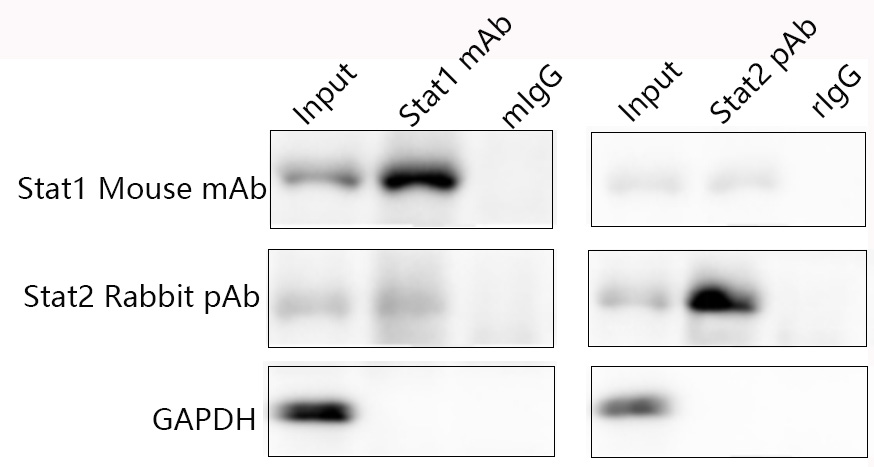
In the quest to map the intricate interactomes of cellular systems, immunoprecipitation (IP) and co-immunoprecipitation (Co-IP) remain foundational techniques. Yet, the transition from a conceptually straightforward protocol to the generation of clean, reproducible, and interpretable data is often fraught with technical pitfalls. Challenges such as high background noise, inconsistent bead recovery, antibody co-elution interfering with western blot analysis, and the sheer time investment required can impede progress. For the vast community of researchers utilizing rabbit primary antibodies, the Universal IP/Co-IP Toolkit (Magnetic Beads/Anti-Rabbit), catalog number KTI1020-EN from Abbkine, presents a purpose-built solution designed to streamline workflow and enhance data fidelity specifically for this common experimental scenario.
The core innovation of this toolkit lies in its strategic simplification through specialization. Unlike fully generic kits, this system is optimized for experiments employing rabbit primary antibodies for target protein immunoprecipitation. This focus allows for a refined component selection. The kit centers on high-capacity Protein A/G magnetic beads, which offer superior binding affinity for the Fc region of rabbit IgG. This translates to efficient antibody capture and, critically, reduced nonspecific binding of off-target proteins—a primary source of high background in downstream assays like SDS-PAGE and western blot. By pre-optimizing the bead-antibody interaction, the kit removes a significant variable, allowing researchers to proceed with greater confidence in the specificity of their pull-down.
Beyond the beads, the inclusion of matched, ready-to-use buffers is a critical factor often underestimated in its importance. The toolkit provides a complete suite, including a non-denaturing lysis buffer designed to preserve native protein complexes, a concentrated wash buffer to remove contaminants without disrupting specific interactions, and specialized elution buffers. The consistency afforded by using a unified buffer system for magnetic bead-based co-immunoprecipitation cannot be overstated. It eliminates compatibility issues that arise when piecing together reagents from different sources, ensuring optimal bead performance and minimizing the risk of losing precious samples or introducing artifacts during the washing steps.
A pivotal component that addresses a long-standing pain point in the IP-to-WB pipeline is the inclusion of anti-rabbit IPKine™ antibodies. A classic frustration in Co-IP workflows is the interference caused by the heavy and light chains of the immunoprecipitating antibody during western blot detection. These chains, co-eluted with the target protein, can obscure bands of similar molecular weight. The IPKine™ HRP-conjugated secondary antibodies are engineered to be pre-adsorbed to minimize detection of denatured rabbit IgG. This results in dramatically cleaner western blot images with lower background, enabling clearer visualization of true interacting partners and more confident interpretation of results, particularly for proteins close in size to antibody chains.
For the practicing scientist, adopting this toolkit translates into a tangible protocol optimization. The use of magnetic separation beads over traditional agarose or sepharose resins revolutionizes the handling process. It enables rapid, near-quantitative bead recovery without cumbersome centrifugation steps that can damage fragile complexes. This not only shortens the total hands-on time for the rabbit antibody-focused protein-protein interaction assay but also improves reproducibility between samples and users. Furthermore, the standardized protocol reduces the typical optimization cycle, allowing researchers to generate reliable data faster, whether they are validating a suspected protein interaction or screening for novel binding partners in a magnetic bead-assisted immunoprecipitation experiment.
From a broader perspective, the move towards such specialized, buffer-matched toolkits reflects an industry shift towards reproducibility and efficiency in basic research. As studies of signaling pathways, protein networks, and complex formation grow more complex, the reliability of foundational techniques like Co-IP becomes paramount. A toolkit like KTI1020-EN, which integrates high-affinity magnetic beads, a tailored buffer system, and detection-optimized secondary antibodies, represents a holistic approach to experimental design. It empowers researchers to focus more on biological questions and less on technical troubleshooting, thereby accelerating discovery in fields ranging from cell signaling and cancer biology to neuroscience and immunology.
In summary, the Universal IP/Co-IP Toolkit (Magnetic Beads/Anti-Rabbit) is more than a mere convenience product; it is a thoughtfully integrated system that addresses specific, well-known technical challenges in protein interaction studies. By providing a seamless workflow from cell lysis through to detection, it enhances specificity, reduces background, and saves valuable time. For any laboratory routinely conducting IP or Co-IP experiments with rabbit primary antibodies, integrating this toolkit represents a strategic investment in data quality and experimental throughput.
For detailed specifications, protocols, and purchasing information, visit the official Abbkine product page: Universal IP/Co-IP Toolkit (Magnetic Beads/Anti-Rabbit) - KTI1020-EN.
Prev:This is the latest article
Next:EliKine™ Mouse IL-1β ELISA Kit: Precision Targeting of a Master Inflammatory Mediator





