




Navigating the Complexities of Pro-Inflammatory Signaling: A Methodological Deep Dive into the EliKine™ Human IL-17 ELISA Kit
Within the intricate symphony of the human immune response, Interleukin-17 (IL-17), primarily produced by Th17 cells, functions as a powerful and sometimes discordant brass section. Its role in mobilizing neutrophils and inducing antimicrobial peptides is crucial for host defense against extracellular pathogens. However, dysregulated IL-17 signaling is a well-characterized cornerstone in the pathogenesis of a spectrum of autoimmune and chronic inflammatory diseases, including psoriasis, psoriatic arthritis, ankylosing spondylitis, and multiple sclerosis. Consequently, the precise quantification of this pivotal cytokine is not merely a routine assay but a critical diagnostic and research imperative for elucidating disease mechanisms and evaluating therapeutic efficacy, particularly for biologics targeting the IL-17 axis. The EliKine™ Human IL-17 ELISA Kit (KTE6022) from Abbkine presents itself as a specialized tool designed for this exacting task, offering researchers a reliable means to capture a clear signal from the often noisy background of complex biological samples.
The accurate measurement of IL-17 presents distinct methodological challenges that generic cytokine detection kits frequently fail to address adequately. Unlike more abundant cytokines, IL-17 can be present at notably low and transient levels in many in vitro cell culture supernatants or in vivo patient sera, demanding exceptional assay sensitivity. Furthermore, its active form is a homodimer, and many commercial antibodies may not optimally recognize this specific conformation, leading to underestimation of biologically active cytokine. Cross-reactivity with other members of the IL-17 family (e.g., IL-17F) can also compromise specificity, skewing data interpretation. The EliKine™ Human IL-17A-specific ELISA kit is engineered to overcome these hurdles. Utilizing a validated sandwich immunoassay format with high-affinity, IL-17A-specific antibodies that target the homodimer, it achieves a sensitivity of <1.0 pg/mL, ensuring detection even in samples with minimal secretion. This high sensitivity is paramount for applications like monitoring Th17 cell polarization in PBMC cultures or assessing subtle changes in biomarker levels in clinical research cohorts.
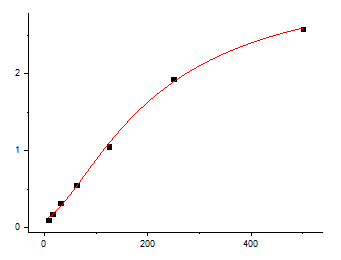
Optimizing the pre-analytical phase is arguably more critical for IL-17 detection than the ELISA procedure itself, a fact often underappreciated in experimental design. The stability of IL-17 in collected samples is a key variable. For cell culture studies investigating Th17 cell differentiation and cytokine secretion, stimulation protocols must be meticulously optimized—often using combinations of TGF-β, IL-6, IL-1β, and IL-23—and supernatant harvest times carefully determined to capture the peak of secretion, which may be earlier than for other cytokines. Samples like serum or plasma should be processed rapidly to prevent degradation, and repeated freeze-thaw cycles must be scrupulously avoided, as they can significantly degrade cytokine integrity. Prior to running the EliKine™ kit, researchers are strongly advised to perform a sample pilot dilution series. This step is crucial to rule out matrix effects that can cause signal inhibition or enhancement, ensuring that the final measured optical density falls within the optimal linear range of the standard curve for human IL-17 quantification.
Integrating precise IL-17 data into a broader immunological workflow transforms simple concentration readings into profound biological insight. Data obtained from this high-sensitivity IL-17 immunoassay should not exist in a vacuum. For a comprehensive immune profiling analysis, results can be powerfully correlated with flow cytometry to identify and sort the specific IL-17-producing T cell subsets, or with multiplex bead-based assays to contextualize IL-17 levels within a broader pro-inflammatory cytokine panel including IL-6, TNF-α, and IL-22. This integrated approach is essential for biomarker discovery in autoimmune diseases and for the pharmacodynamic assessment of IL-17 pathway inhibitors. The robust performance and reliability of the EliKine™ kit, as inferred from its design specifications, make it a suitable cornerstone for generating publication-ready data that can support investigations into inflammatory disease mechanisms and therapeutic development.
In conclusion, the EliKine™ Human IL-17 ELISA Kit (KTE6022) is more than a mere consumable; it is a refined methodological solution for a challenging analytical target. By addressing the specific sensitivity, specificity, and sample handling requirements inherent to IL-17 biology, it empowers researchers to move beyond potential technical artifacts and toward confident, accurate quantification. For immunology laboratories focused on decoding Th17 cell-mediated immunity, exploring the IL-17 signaling pathway in inflammation, or validating clinical biomarkers for autoimmune disorders, employing a rigorously validated tool like this kit is a fundamental step in ensuring the integrity and biological relevance of their scientific findings.
For detailed specifications, validation data, and ordering information, please visit the official product page: EliKine™ Human IL-17 ELISA Kit - KTE6022.





