




Navigating the Complexities of Membrane Protein Quantification: A Practical Guide to the Human Aquaporin 3 (AQP3) ELISA Kit
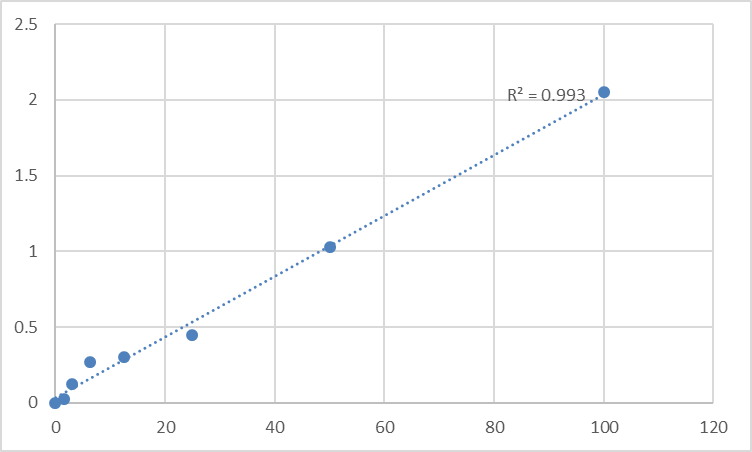
Quantifying membrane proteins like Aquaporin 3 (AQP3) presents a distinct set of challenges that go beyond typical soluble cytokine assays. As a channel facilitating the transport of water and glycerol, AQP3 is a critical player in skin hydration, cell proliferation, wound healing, and tumor biology. Its tight integration into the plasma membrane means that successful detection relies heavily on optimized sample preparation to solubilize the target without degrading its structure or losing epitope recognition. This is where a specialized tool like the Human Aquaporin 3 (AQP3) ELISA Kit (KTE62203) transitions from a simple assay to an essential component of a robust methodological workflow. This guide focuses on the practical steps and critical considerations for generating reliable, reproducible data when quantifying human AQP3 protein expression in complex biological samples.
The first and most decisive hurdle in any AQP3 study is sample preparation, a step that can make or break your entire experiment. Unlike secreted proteins found in supernatants, AQP3 is anchored in the lipid bilayer. For cell-based research, this requires effective cell lysis with a detergent-containing buffer that is both strong enough to solubilize the membrane yet gentle enough to preserve protein integrity and antibody-binding sites. The choice of lysis buffer is paramount; non-ionic detergents like NP-40 or Triton X-100 are common starting points, but their concentration and composition may need optimization for your specific cell type. Furthermore, protease and phosphatase inhibitor cocktails are non-negotiable additives to prevent degradation during the extraction process. For tissue samples, efficient homogenization followed by similar solubilization protocols is key. It is highly advisable to perform a preliminary BCA or Bradford protein assay to normalize the total protein concentration across all samples before loading them into the AQP3 ELISA plate. This normalization is crucial for meaningful comparative analysis, especially when investigating differential expression between experimental conditions.
Once your samples are properly prepared, attention must turn to the assay's execution, with a particular focus on validation and controls. A common pitfall is assuming the kit's standard curve, often prepared in assay buffer, will behave identically to your complex tissue or cell lysate samples. Matrix effects are real and can significantly skew results. To combat this, a spike-and-recovery experiment is an invaluable practice. Spiking a known amount of recombinant AQP3 into a diluted sample matrix can reveal if your sample preparation introduces interference, allowing you to adjust dilutions accordingly. Parallelism, where a serially diluted sample runs parallel to the standard curve, further validates the assay's accuracy in your specific matrix. Always include the kit's positive control and, if possible, a known negative control (e.g., a cell line with CRISPR-mediated AQP3 knockout) to confirm the assay's specificity in your hands. These steps transform the ELISA from a black-box protocol into a validated and trustworthy measurement for detecting water and glycerol channel proteins.
Interpreting the final optical density readings requires contextual understanding. The concentration of AQP3 you derive is a snapshot of its total protein levels in the solubilized lysate. This data becomes powerful when correlated with functional or morphological readouts. For instance, in skin biology and dermatological research, increased AQP3 levels from skin equivalent models could be correlated with transepidermal water loss measurements. In cancer cell migration studies, AQP3 expression data from the ELISA can be paired with scratch-wound or Transwell assays to explore its role in cellular motility, often linked to its glycerol-transport function influencing energy metabolism. This integrated approach moves beyond mere quantification and toward mechanistic insight. The human aquaporin channel detection thus serves as a cornerstone for broader hypothesis testing.
Looking forward, the ability to accurately measure proteins like AQP3 is fueling their exploration as biomarkers and therapeutic targets. In oncology, AQP3 expression is being investigated in cancers like gastric and colorectal for its correlation with progression and patient prognosis. In cosmetic and wound-healing science, it's a key indicator of skin barrier health. The reliability of data generated by well-validated kits is what allows these fields to advance from observational studies to potential clinical applications. As research continues to reveal the multifaceted roles of this aquaglyceroporin, the demand for precise and user-friendly immunoassays for membrane-bound transporters will only grow. Following a rigorous, thoughtful methodology with tools like the Human AQP3 ELISA Kit ensures that your research contributes solid, foundational data to this evolving and promising field.
For detailed specifications, protocols, and ordering information, please visit the official product page: EliKine™ Human Aquaporin 3 (AQP3) ELISA Kit - KTE62203.





