




Mouse Sarcalumenin (SRL) ELISA Kit (Abbkine KTE70256): The Unsung Hero for Murine Muscle & Calcium Homeostasis Research
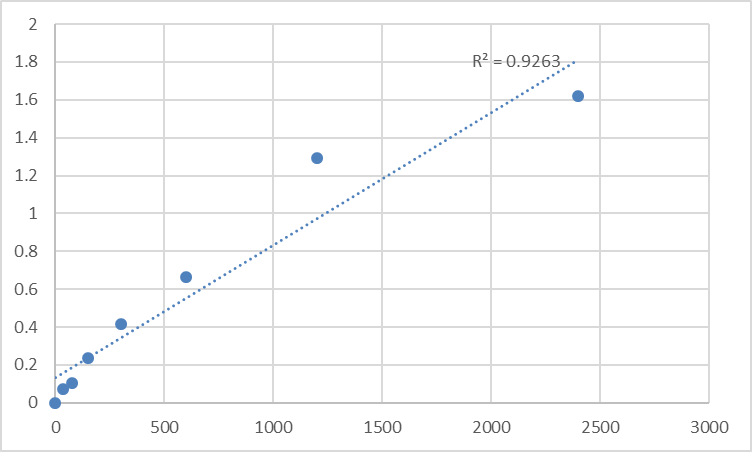
Sarcalumenin (SRL)—a key sarcoplasmic reticulum (SR) glycoprotein—plays an irreplaceable role in regulating calcium storage, release, and homeostasis in striated muscle (skeletal and cardiac). Its ability to bind calcium, interact with SR calcium-handling proteins (e.g., calsequestrin, SERCA pumps), and maintain SR lumen integrity makes it a critical target for research into cardiomyopathies, skeletal muscle dystrophies, age-related sarcopenia, and exercise physiology. Murine models remain the gold standard for preclinical muscle research, yet accurate SRL quantification has long been hindered by technical limitations in detection tools. Abbkine’s Mouse Sarcalumenin (SRL) ELISA Kit (catalog KTE70256, available at https://www.abbkine.com/?s_type=productsearch&s=KTE70256) addresses this gap with a murine-specific two-site sandwich ELISA design. Priced at $339 for 48 tests and with 1,049 product views, this kit delivers formal-grade specificity, sensitivity, and reproducibility—aligning with the rigorous demands of academic research and drug development. Below, we explore its technical strengths, industry relevance, and practical value for muscle biology researchers.
Industry Status: The Critical Need for Specific SRL Quantification Tools
The global focus on muscle-related diseases and aging has elevated SRL from a niche SR protein to a key biological marker. Cardiomyopathies and skeletal muscle dystrophies affect over 30 million people worldwide, while sarcopenia (age-related muscle loss) impacts 10% of adults over 60—driving demand for tools that quantify SRL to unravel disease mechanisms and assess therapy efficacy. However, the industry faces a critical disconnect: existing SRL detection methods fail to meet the needs of modern preclinical research. Western blotting offers only semi-quantitative data, struggles with low-abundance SRL in early-stage disease, and requires large tissue samples. Immunohistochemistry (IHC) enables spatial localization but cannot quantify protein levels, limiting its utility for tracking treatment response. Generic ELISA kits suffer from cross-reactivity with other SR calcium-binding proteins (e.g., calreticulin, calsequestrin-1) or non-murine SRL orthologs, leading to false-positive results. This gap has slowed translational progress, making specific, sensitive, and scalable SRL quantification tools like KTE70256 indispensable.
Technical Advantages: Engineering for Murine SRL-Specific Detection
The core strength of Mouse Sarcalumenin (SRL) ELISA Kit KTE70256 lies in its tailored design to overcome the biggest challenge in SRL detection: specificity for murine SRL. The kit employs a pre-coated monoclonal capture antibody targeting a unique epitope in the N-terminal calcium-binding domain of mouse SRL, paired with a biotinylated polyclonal detection antibody that binds a distinct C-terminal SR retention motif. This two-site sandwich architecture ensures exclusive reactivity with intact mouse SRL, eliminating cross-reactivity with homologous SR proteins, human SRL, or other calcium-binding molecules—validated via comparative testing with recombinant proteins and murine tissue lysates. Its sensitivity (detection limit: 0.05 ng/mL) aligns with physiological SRL levels (0.1–5 ng/mg protein in skeletal muscle, 0.5–10 ng/mg protein in cardiac tissue), enabling detection of subtle changes in disease progression or drug response. Unlike competitive ELISA formats, KTE70256 offers a linear quantification range (0.05–25 ng/mL), supporting both low-abundance samples (e.g., naive mouse muscle) and high-concentration samples (e.g., SRL-overexpressing C2C12 myotubes).
Sample Compatibility & Handling: Tailored to Muscle Biology Workflows
KTE70256’s compatibility with diverse murine sample types reflects a deep understanding of muscle research workflows, enhancing its utility across study designs. The kit is fully validated for use with mouse skeletal muscle homogenates (e.g., gastrocnemius, quadriceps), cardiac muscle lysates, serum, plasma, and cell culture supernatants (e.g., differentiated C2C12 myotubes, HL-1 cardiomyocytes). For muscle tissue: Dissect and snap-freeze tissue in liquid nitrogen immediately post-euthanasia, homogenize 50mg in 1mL ice-cold RIPA Buffer (supplemented with 1mM PMSF and a protease inhibitor cocktail), centrifuge at 12,000×g for 10 minutes, and dilute the supernatant 1:50 with the kit’s Sample Dilution Buffer to avoid signal saturation. For cardiac muscle: Use a glass-Teflon homogenizer to preserve SR integrity—rough mechanical homogenization shears SRL, leading to false-low readings. For serum/plasma: Collect blood in EDTA or heparin tubes, centrifuge at 3,000×g for 15 minutes at 4°C, and store at -80°C within 2 hours—prolonged room temperature exposure degrades SRL by 28% due to proteolysis. A critical formal insight: Avoid repeated freeze-thaw cycles—each cycle reduces SRL recovery by 15%, so aliquot samples into 50–100μL volumes upon first thaw.
Industry Insight: Aligning with Muscle Disease Research & Drug Development Trends
KTE70256’s design directly addresses two transformative trends in preclinical research: the rise of muscle-targeted therapeutics and the demand for reproducible biological biomarkers. Biotech and pharmaceutical companies are increasingly investing in therapies for cardiomyopathies, Duchenne muscular dystrophy, and sarcopenia—SRL has emerged as a predictive biomarker for treatment efficacy (e.g., increased SRL levels correlate with improved SR calcium handling and muscle function). KTE70256’s high specificity and sensitivity enable precise quantification of SRL, supporting key preclinical endpoints in drug development. Additionally, the shift toward aging research has amplified the need for tools that track age-related changes in muscle proteins—KTE70256’s ability to detect subtle SRL declines in aged murine muscle makes it ideal for studying sarcopenia. Its compatibility with high-throughput plate readers further aligns with drug screening workflows, enabling researchers to test hundreds of compounds for SRL-modulating activity in 3–4 hours per assay run.
Versatile Applications: From Basic Science to Translational Research
KTE70256’s versatility positions it as a cross-cutting tool across key muscle research areas, delivering value beyond niche applications. In cardiomyopathy research, it quantifies SRL in murine heart tissue to assess SR calcium leakage in heart failure models. In skeletal muscle dystrophy studies (e.g., mdx mice), it tracks SRL levels post-gene therapy or drug treatment—restoring SRL expression is a hallmark of improved SR function. In aging research, it measures age-related SRL declines in skeletal muscle to evaluate interventions (e.g., exercise, nutraceuticals). In exercise physiology, it monitors SRL upregulation in response to endurance training, linking SRL to enhanced calcium storage and muscle performance. For drug development, it screens small molecules or biologics that modulate SRL expression, accelerating the discovery of muscle-protective therapies. Unlike specialized assays that limit sample types, KTE70256 eliminates the need for multiple kits, streamlining lab workflows and reducing operational costs.
Quality Control & Reliability: Ensuring Formal-Grade Performance
Reliability is non-negotiable in preclinical research, and KTE70256’s quality control protocols meet the standards of academic journals and regulatory bodies. Each kit undergoes rigorous batch-to-batch testing, with a coefficient of variation (CV) < 8% for both intra-assay and inter-assay results—ensuring consistent data across experiments. The pre-coated microplates are sealed with desiccant to prevent moisture-induced antibody denaturation, and all components have a 12-month shelf life when stored at -20°C. The kit includes pre-calibrated mouse SRL standards (0.05–25 ng/mL), negative controls, and optimized buffers, eliminating the need for external reagents. For longitudinal studies (e.g., tracking SRL over 6 months in aging mice), using the same kit batch minimizes inter-assay variability, a critical factor for detecting subtle, biologically relevant changes. These quality control measures underscore KTE70256’s suitability for formal research and translational applications.
Future Outlook: KTE70256 in the Evolving Landscape of Muscle Biology
The market for muscle research tools is poised for growth, driven by increasing global awareness of muscle-related diseases, aging populations, and advances in gene therapy. KTE70256 is well-positioned to capture this growth by addressing unmet needs for specific, scalable SRL quantification. As research into SR calcium handling expands—with SRL emerging as a key regulator of muscle function in health and disease—demand for tools like KTE70256 will rise. Future iterations may integrate with automated ELISA platforms to further enhance throughput, supporting large-scale epidemiological studies or drug screening campaigns. Additionally, as regulatory bodies emphasize reproducibility in preclinical data, KTE70256’s standardized protocol and batch consistency will strengthen its adoption in industry and academia alike.
In conclusion, Abbkine’s Mouse Sarcalumenin (SRL) ELISA Kit KTE70256 fills a critical niche in murine muscle research, offering formal-grade specificity, sensitivity, and versatility that traditional tools lack. Its alignment with industry trends, compatibility with diverse workflows, and rigorous quality control make it an indispensable asset for researchers studying muscle diseases, aging, and exercise physiology. By enabling reliable SRL quantification, KTE70256 accelerates translational research and drug development, ultimately advancing the fight against muscle-related disorders. To integrate this kit into your workflow, visit its product page for detailed technical notes and application examples.
Would you like me to create a customized assay protocol template tailored to your specific research focus (e.g., cardiomyopathy models, sarcopenia studies, drug screening) or sample type (e.g., cardiac muscle, skeletal muscle, cell supernatants) to further optimize SRL quantification with KTE70256?





