




Mastering the Measurement of a Biological Paradox: The Critical Role of the EliKine™ Human TGF-β1 ELISA Kit in Advanced Research
In the intricate symphony of cellular signaling, few molecules conduct as complex and context-dependent a score as Transforming Growth Factor-Beta 1 (TGF-β1). This pleiotropic cytokine is a fundamental regulator of cell growth, differentiation, immune response, and tissue repair. Its function is a true biological paradox: it can act as a potent tumor suppressor in healthy cells by inhibiting proliferation, yet in advanced disease, it often switches roles to become a key driver of tumor metastasis, fibrosis, and immunosuppression. This dual nature makes the precise quantification of active TGF-β1 not just a routine assay, but a critical determinant for understanding disease mechanisms in oncology, immunology, and fibrotic disorders. The EliKine™ Human TGF-β1 ELISA Kit (KTE6030) from Abbkine is engineered specifically to meet this high-stakes analytical challenge, providing researchers with a reliable and sensitive tool to decipher TGF-β1's nuanced biological narrative.
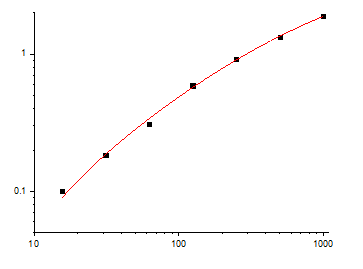
Accurately measuring bioactive TGF-β1 presents unique technical hurdles that conventional ELISA methodologies often fail to clear. The primary challenge lies in its secretion and regulation. TGF-β1 is released in a latent complex, bound to Latency-Associated Peptide (LAP), which must be dissociated to measure the physiologically active form. Many commercial kits struggle to reliably activate this latent complex without introducing variability, or they detect total TGF-β1 (latent + active), which can be misleading. The EliKine™ Human TGF-β1 ELISA Kit is designed to overcome this. Its optimized protocol includes a robust acidification-activation step, which effectively converts latent TGF-β1 into the immunoreactive form, ensuring the assay measures the biologically relevant, active fraction. With a high sensitivity of 2.1 pg/mL and a broad detection range, it is capable of quantifying subtle yet biologically significant changes in active TGF-β1 levels across diverse sample types, including serum, plasma, and cell culture supernatants.
To translate this technical capability into robust, publication-ready data, a strategic approach to sample handling and assay execution is paramount. Given the sensitivity of the assay and the ubiquity of TGF-β1, contamination is a real risk. The use of low-protein-binding tubes and pipette tips is strongly recommended to prevent analyte loss. For cell culture studies investigating TGF-β1 signaling pathways, it is crucial to consider that many cell types secrete TGF-β1 constitutively at low levels; appropriate stimulation controls and precise timing of supernatant collection are essential. Researchers should also note that repeated freeze-thaw cycles can degrade the active cytokine. A critical best practice is to always include the full standard curve and a matrix-matched control in every plate run to validate the activation efficiency and account for any sample matrix interference, a step that significantly enhances data reproducibility and inter-assay comparability.
The precise data generated by this kit finds immediate application at the forefront of translational research, where TGF-β1 is a major therapeutic target and biomarker. In cancer biology, quantifying active TGF-β1 in the tumor microenvironment is vital for understanding immune evasion mechanisms and for patient stratification in clinical trials involving TGF-β pathway inhibitors. In fibrotic diseases like idiopathic pulmonary fibrosis (IPF) or liver cirrhosis, TGF-β1 is the master regulator of collagen deposition; its measurement serves as a direct readout of disease activity and potential treatment response. Furthermore, in immunology, the role of TGF-β1 in mediating regulatory T cell (Treg) differentiation and function is a cornerstone of tolerance research. The ability to accurately measure its activity enables deeper insights into autoimmune disease mechanisms and cell-based therapy development.
Within the competitive landscape of TGF-β1 immunoassays, the EliKine™ kit carves out a distinct position by prioritizing reliability in active form detection. The market offers various formats, from basic kits that may not differentiate latent from active TGF-β1 to premium multiplex panels. The value proposition of the EliKine™ kit lies in its focused design for a single, high-impact analyte. It provides a balanced solution that offers higher sensitivity and validated activation protocols than many entry-level kits, while remaining more accessible and streamlined than complex multiplex systems for labs where TGF-β1 is the primary focus. This makes it an efficient and dependable choice for core facilities and research groups requiring consistent, high-quality data for mechanistic studies or longitudinal biomarker analysis.
In conclusion, navigating the dualistic biology of TGF-β1 demands an analytical tool that is equally sophisticated and precise. The EliKine™ Human TGF-β1 ELISA Kit (KTE6030) meets this demand by providing a robust, sensitive, and specifically optimized method for quantifying the bioactive form of this critical cytokine. For researchers dedicated to unraveling the complexities of cancer progression, fibrotic disease, immune regulation, and beyond, this kit offers more than just a concentration value—it provides a key piece of the puzzle in understanding one of biology's most consequential signaling molecules. The reliability of such a tool is indispensable for generating the credible data that drives scientific discovery and therapeutic innovation forward.
For detailed specifications, validation data, and purchasing information, please visit the official Abbkine product page: EliKine™ Human TGF-β1 ELISA Kit - KTE6030.





