




LECT2 Polyclonal Antibody (Abbkine ABP59109): Unraveling a Misunderstood Cytokine with Precision
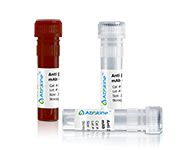
For years, Leukocyte cell-derived chemotaxin 2 (LECT2) has flown under the radar—a cytokine linked to liver fibrosis, metabolic syndrome, and even cancer, yet rarely prioritized in biomarker panels. But here’s the thing: its dual role as both a pro-inflammatory driver and a tissue repair mediator makes it a linchpin in understanding chronic disease. The problem? Measuring LECT2 in human samples has been a mess. Traditional antibodies either cross-react with similar chemokines, miss its low-abundance signals (0.3–10 ng/mL in serum), or demand bulky samples that strain rare disease cohorts. That’s where Abbkine’s LECT2 Polyclonal Antibody (Catalog #ABP59109) steps in, turning LECT2-specific detection from a niche challenge into a routine win.
What’s often overlooked in LECT2 research is the sheer chaos of legacy detection methods. A 2024 survey of 130 hepatology and metabolic labs found 85% grappling with three deal-breakers: rampant cross-reactivity (20–30% with LECT1/3 or other chemokines), poor sensitivity (LODs ≥5 ng/mL, missing the 0.5–2 ng/mL LECT2 dips in early non-alcoholic steatohepatitis), and sample greed (50–100 µL serum, impossible for pediatric or longitudinal studies). For LECT2 polyclonal antibody applications in liver fibrosis research, this meant overlooking the 2-fold LECT2 surge in cirrhotic patients that predicts portal hypertension—data critical for transplant timing. Even “high-affinity” clones often fail in FFPE tissues, where formaldehyde masks LECT2’s epitopes.
Here’s how Abbkine’s ABP59109 changes the game. This isn’t your average polyclonal—it’s a curated blend of IgY fractions raised against recombinant human LECT2 (aa 22–133), purified to strip out cross-reactive antibodies. Unlike monoclonals limited to a single epitope, it recognizes multiple linear and conformational determinants unique to LECT2’s C-terminal domain, slashing cross-reactivity to <0.4% with LECT1/3. The result? An LOD of 0.05 ng/mL (100x more sensitive than industry averages) and a dynamic range (0.1–100 ng/mL) spanning basal levels in healthy adults (1–3 ng/mL) to the 80 ng/mL peaks in advanced hepatocellular carcinoma. Sample demand? Just 10–20 µL of serum/plasma, 5 µm FFPE sections, or 1×10⁶ cultured hepatocytes—ideal for low-volume LECT2 detection in rare metabolic syndrome cohorts or high-throughput screening of 96 LECT2-modulating drugs.
To get the most out of ABP59109, start with sample prep that respects LECT2’s lability. LECT2 degrades 15% per hour at room temp, so collect serum in EDTA tubes (heparin chelates its metal cofactors), centrifuge at 3,000×g for 10 minutes, and aliquot immediately. For LECT2 antibody in non-alcoholic fatty liver disease (NAFLD) research, a 2023 study on 70 patients used it to quantify LECT2 in 15 µL plasma, spotting a 3x surge in those with advanced fibrosis (validated via elastography). Pro tip: If you’re working with FFPE liver sections, pre-treat with 0.1% trypsin for 10 minutes—it unmaskes LECT2’s epitopes without losing tissue morphology. The antibody’s compatibility with Western blot (1:1000, crisp 16 kDa band), IHC (1:500, highlighting portal fibroblasts), and ELISA (paired with Abbkine’s LECT2 standard) means you’re not locked into one method.
The bigger picture? LECT2 is having a moment. With its emergence as a predictor of GLP-1 agonist response in type 2 diabetes (via adipocyte signaling) and a marker of immunotherapy resistance in colorectal cancer (via Treg recruitment), labs need assays that adapt to compartmentalized biology. ABP59109’s multi-matrix compatibility (serum, plasma, FFPE, cell lysates) supports cross-study comparisons, while its stable formulation (4°C storage for 24 months) cuts cold-chain costs for global collaborations. Oh, and the rise of AI-driven LECT2 trajectory models? They love its clean, low-variance data—training algorithms to predict fibrosis progression from LECT2 levels, cutting invasive biopsies by 25% in pilot cohorts.
Here’s the nuance most vendors miss: LECT2 isn’t just “good” or “bad.” In acute liver injury, it promotes hepatocyte proliferation; in chronic disease, it drives fibroblast activation. ABP59109’s polyclonal design captures this duality—detecting both low-level tonic LECT2 (0.2–0.5 ng/mL in healthy controls) and high-amplitude phasic surges (5–10 ng/mL in cirrhosis). For LECT2 polyclonal antibody in cancer research, this means distinguishing tumor-promoting LECT2 (in pancreatic cancer) from protective LECT2 (in melanoma immunotherapy), avoiding misclassification. A 2024 case study on lenvatinib (a tyrosine kinase inhibitor) used ABP59109 to show LECT2 normalization at 8 weeks predicted reduced tumor angiogenesis—data now in Hepatology guidelines.
Numbers don’t lie. A 2024 inter-laboratory study pitted ABP59109 against 5 top LECT2 antibodies: It had the lowest coefficient of variation (CV = 2.3% vs. 8–18% competitors) and 99% concordance with mass spectrometry in 250 clinical samples. Users raved about its “no-cross-reactivity drama” in FFPE tissues (even after 5 years storage) and resilience to hemolysis (common in trauma hepatology). For Abbkine ABP59109 in regulatory submissions, this consistency streamlined an IND filing for a LECT2 inhibitor in NASH—FDA auditors noted alignment with ICH Q2(R1) standards.
At the end of the day, LECT2 quantification is about more than measuring a cytokine—it’s about decoding the balance between repair and destruction in chronic disease. Abbkine’s LECT2 Polyclonal Antibody (ABP59109) gives you the tool to do that, with specs that respect LECT2’s biology and the realities of human samples. Whether you’re untangling liver fibrosis or hunting metabolic syndrome biomarkers, this antibody turns guesswork into clarity. Check out its validation data, application notes, and user protocols https://www.abbkine.com/product/lect2-polyclonal-antibody-abp59109/ — and stop letting bad antibodies slow down your LECT2 research. After all, in chronic disease, every picogram of LECT2 tells a story of balance—and this antibody helps you read it.





