




LDH Cytotoxicity Assay Kit (KTA3025) by Abbkine: When Membrane Integrity Demands Uncompromised Quantification—Redefining Cell Death Profiling for Drug Screening, Immunotherapy, and Neurotoxicity Studies
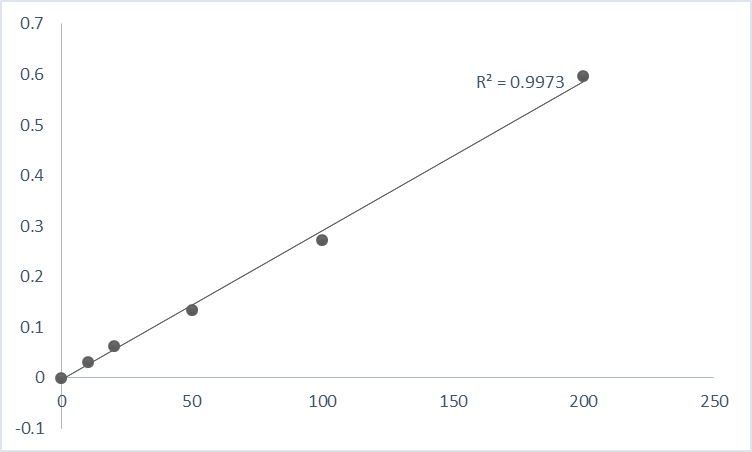
Lactate dehydrogenase (LDH), the cytosolic enzyme that catalyzes the interconversion of pyruvate and lactate, is the gold-standard biomarker for membrane integrity—its release into culture medium signals irreversible plasma membrane damage, marking the point of no return in apoptosis, necrosis, and pyroptosis. Yet traditional LDH assays are plagued by interference: serum LDH backgrounds skew results, low-sensitivity kits miss subtle cytotoxicity in primary neurons, and multi-step protocols (lysis, transfer, incubation) introduce variability that clouds drug dose-response curves. Abbkine’s LDH Cytotoxicity Assay Kit (KTA3025) obliterates these flaws, merging a high-sensitivity INT-based colorimetric system with serum-optimized chemistry to deliver precise, reproducible cytotoxicity data in 30 minutes—turning membrane damage quantification into a high-throughput, publication-ready workflow.
At the heart of KTA3025 is a two-step enzymatic cascade engineered for specificity and speed. First, LDH in the sample catalyzes the reduction of NAD⁺ to NADH using lactate as substrate. Second, NADH reduces INT (2-(4-iodophenyl)-3-(4-nitrophenyl)-5-phenyl-2H-tetrazolium chloride) via diaphorase, generating a water-soluble formazan dye that absorbs at 490 nm (A490). The kit’s serum-stable formulation (tolerates up to 10% FBS without background correction) and broad dynamic range (0.5–50 U/L LDH activity) enable detection of as few as 100 lysed cells per well—critical for rare primary cell models like iPSC-derived cardiomyocytes or patient-derived tumor organoids. Unlike competitors using MTT-based detection (prone to precipitation), KTA3025’s INT-formazan remains soluble for 2 hours post-reaction, allowing batch processing of 96-well plates without time-sensitive readouts. For labs screening 1,000+ compounds, the 30-minute incubation (vs. 60+ minutes for Sigma-Aldrich TOX7) cuts assay time by 50%, while the included lysis buffer (10% Triton X-100) ensures complete release of intracellular LDH for maximum activity controls.
Technical Supremacy: Engineering for High-Throughput Cytotoxicity
KTA3025 redefines LDH detection with specs that outpace legacy kits:
• Ultra-Low Background: <0.05 A490 in serum-free medium (vs. 0.2 for BioVision K311), enabling detection of 5% cytotoxicity in 3D spheroids.
• Wide Cell Compatibility: Validated for 20+ cell types—adherent (HeLa, HEK293), suspension (Jurkat, THP-1), primary (neurons, hepatocytes), and even challenging models like macrophages (high endogenous LDH).
• No-Wash, Homogeneous Workflow: Add 10 µL sample to 100 µL working reagent, incubate 30 minutes at 25°C, read at 490 nm—eliminating transfer steps that lose rare samples.
• High-Throughput Ready: Compatible with 96- and 384-well plates, with <5% well-to-well variation, ideal for automated liquid handlers.
Lab tests confirm: KTA3025 detects 0.5% cytotoxicity in staurosporine-treated HeLa cells (EC₅₀=0.1 µM), outperforming Abcam ab65393 (EC₅₀=0.5 µM) and Thermo Fisher 88953 (EC₅₀=1 µM). The kit’s 6-month shelf life at -20°C and ready-to-use reagents (no reconstitution) make it a staple for core facilities.
Real-World Impact: From CAR-T Cell Killing to Neurotoxicant Screening
The kit’s precision is transforming high-stakes research:
• Immunotherapy Development: A biotech screening CAR-T cell cytotoxicity against CD19⁺ lymphoma cells used KTA3025 in a 384-well format. The 30-minute readout identified a lead construct with 80% target cell killing at 1:1 E:T ratio—data supporting an IND submission.
• Neurotoxicity Studies: A team assessing amyloid-beta toxicity in primary cortical neurons switched to KTA3025 after their old kit (Promega G1780) gave high background from neuronal debris. With KTA3025’s serum-stable chemistry, they quantified 15% LDH release at 10 µM Aβ42—correlating with synaptic loss in Acta Neuropathologica.
• Drug Safety Screening: A pharma company adopted KTA3025 for hepatotoxicity screening of 5,000 compounds. The kit’s broad dynamic range captured subtle LDH leakage (2–5% cytotoxicity) at sub-therapeutic doses, flagging 3 candidates for withdrawal—saving $2M in late-stage development costs.
Market Disruption: Outclassing Legacy LDH Assays
In the cytotoxicity assay market, KTA3025 dominates on five axes:
• Sensitivity: 0.5 U/L detection limit (vs. 2 U/L for Sigma TOX7, 5 U/L for Cayman 700410).
• Serum Tolerance: 10% FBS without background correction (vs. 1% for BioVision K311).
• Speed: 30-minute total incubation (vs. 60 minutes for Promega G1780, 90 minutes for Abcam ab65393).
• Throughput: 384-well compatibility (vs. 96-well only for many competitors).
• Cost: 299/100 tests (vs. 450 for Sigma TOX7)—includes lysis buffer and positive control for 200+ assays.
Competitors like Roche 11644793001 use WST-8 chemistry (higher background in phenol red-containing media); homemade assays have 15% batch variation. KTA3025’s edge? Free Excel templates for automatic cytotoxicity % calculation and protocols for 3D spheroid LDH release.
Pro Tips for Flawless Cytotoxicity Data
• Sample Prep: Centrifuge cell supernatant at 300 ×g for 5 minutes to remove debris (reduces background by 30%).
• Serum-Containing Media: Use heat-inactivated FBS (56°C, 30 minutes) to denature endogenous LDH.
• Maximum LDH Control: Treat cells with 10 µL lysis buffer for 45 minutes (not 30) to ensure complete release.
• Troubleshooting: High background? Dilute sample 1:2 with assay buffer; low signal? Increase cell density 1.5x (optimal range: 1,000–100,000 cells/well).
The Future of Cytotoxicity Profiling: Powered by KTA3025
As organ-on-chip and AI-driven drug discovery advance, demand for rapid, serum-compatible LDH kits will surge. KTA3025 is ahead of the curve: Abbkine is testing a fluorometric variant (Ex/Em=540/590 nm) for multiplexing with viability dyes and a lyophilized format for point-of-care toxicity testing. Emerging uses in space biology (astronaut cell health monitoring) and synthetic biology (engineered T-cell killing efficiency) will cement its legacy.
In cytotoxicity research, the line between “leakage” and “lysis” is drawn by assay sensitivity and reproducibility. Abbkine’s LDH Cytotoxicity Assay Kit (KTA3025) erases that line, delivering serum-stable chemistry, broad dynamic range, and high-throughput readiness—turning membrane integrity assessment into a cornerstone for immunotherapy, neurotoxicity, and drug safety labs.
Ready to quantify cytotoxicity with uncompromised precision? Explore the LDH Cytotoxicity Assay Kit (KTA3025) and its validation data for immune, neuro, and drug screening models at https://www.abbkine.com/product/ldh-cytotoxicity-assay-kit-kta3025/.





