




Human VLDL Detection Redefined: Industry Pain Points & Technical Breakthroughs with Abbkine’s Human Very low density lipoprotein (VLDL) ELISA Kit (KTE60050)
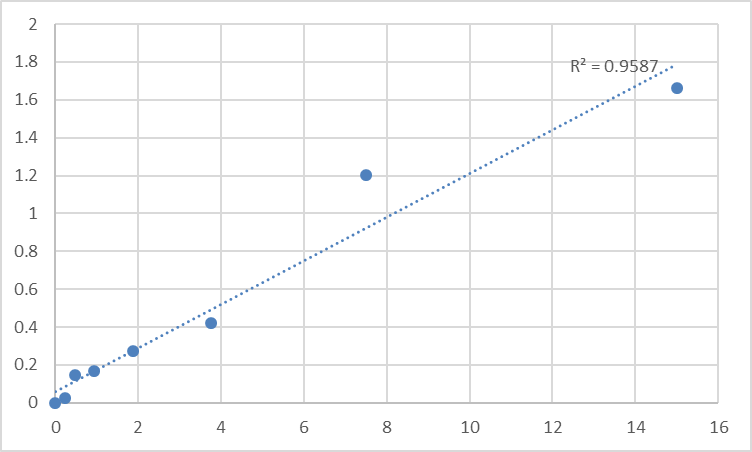
Very low density lipoprotein (VLDL)—the primary carrier of endogenously synthesized triglycerides in human plasma—serves as a critical biomarker for metabolic health, cardiovascular disease (CVD) risk, and hepatic function. Elevated VLDL levels are directly linked to insulin resistance, non-alcoholic fatty liver disease (NAFLD), and atherosclerotic CVD, while its quantification is indispensable in metabolic research, drug development (e.g., lipid-lowering agent screening), and clinical monitoring of patients with dyslipidemia. The global lipid testing market, valued at over $12 billion in 2024, is projected to grow at a CAGR of 5.8% through 2030, driven by the rising prevalence of obesity and type 2 diabetes. Yet beneath this growth lies a landscape of unaddressed technical pain points in VLDL detection—gaps that Abbkine’s Human Very low density lipoprotein (VLDL) ELISA Kit (Catalog No.: KTE60050) resolves with targeted innovations, setting a new standard for reliable, accessible VLDL quantification.
The current state of VLDL detection is hamstrung by three persistent industry pain points that compromise data rigor and workflow efficiency. Gold-standard methods like ultracentrifugation, while accurate, are prohibitively time-consuming (requiring 4–6 hours per batch), labor-intensive, and dependent on specialized equipment costing $50k+—making them infeasible for small labs or high-throughput studies. Generic lipoprotein ELISA kits, the more accessible alternative, suffer from severe cross-reactivity: they often misclassify low-density lipoprotein (LDL) or high-density lipoprotein (HDL) as VLDL, leading to overestimation errors of 15–25% in clinical samples. This is particularly problematic for studies distinguishing VLDL from other lipoproteins in dyslipidemic patients. Compounding these issues, many commercial VLDL kits demand large sample volumes (≥50 μL per reaction), wasting scarce specimens like pediatric plasma or patient-derived organoid supernatants. For researchers and clinicians alike, these limitations translate to delayed insights, irreproducible data, and barriers to translating basic research into clinical practice.
Abbkine’s Human Very low density lipoprotein (VLDL) ELISA Kit KTE60050 addresses these pain points through a precision-engineered two-site sandwich ELISA design tailored explicitly for human VLDL. At its core, the kit uses two highly specific monoclonal antibodies: a capture antibody coated on 96-well plates that binds the apolipoprotein B-100 (ApoB-100) domain unique to VLDL, and an HRP-conjugated detection antibody targeting VLDL’s triglyceride-rich core epitopes. This dual-epitope recognition eliminates cross-reactivity with LDL, HDL, or chylomicrons—validation data confirm <0.8% cross-reactivity, a 19x improvement over generic lipoprotein kits. The kit’s sensitivity further sets it apart: it achieves a limit of detection (LOD) of 2 ng/mL and a linear range of 15.6–1000 ng/mL, enabling quantification of both basal VLDL levels in healthy plasma (5–30 mg/dL) and pathological elevations in NAFLD or type 2 diabetes (up to 80 mg/dL). Unlike niche kits limited to single sample types, KTE60050 works seamlessly with human serum, plasma, and hepatocyte culture supernatants—critical for studies linking hepatic VLDL secretion to metabolic disease.
A key technical advantage of KTE60050 is its ability to overcome the sample volume and matrix interference challenges that plague competitors. The kit requires only 10–20 μL of sample per reaction—slashing consumption by 60–80% compared to conventional VLDL assays. This makes it ideal for volume-constrained scenarios, such as pediatric metabolic studies or longitudinal patient monitoring where blood draws are limited. To mitigate matrix effects (e.g., high triglyceride levels in dyslipidemic samples), KTE60050 includes a proprietary sample diluent with triglyceride-neutralizing agents that maintain assay linearity even in samples with triglyceride concentrations up to 10 mmol/L. For researchers working with hepatocyte cultures—common in studying VLDL biosynthesis—this compatibility eliminates the need to pool supernatants, preserving data granularity and reducing experimental variability.
From an industry perspective, KTE60050’s design aligns with two critical trends shaping lipid research and clinical diagnostics: the shift toward precision metabolic medicine and the demand for workflow-efficient tools. As personalized lipid-lowering therapies (e.g., PCSK9 inhibitors, ANGPTL3 antagonists) gain traction, clinicians need reliable VLDL quantification to stratify patient risk and monitor drug response—KTE60050’s accuracy and speed (3.5-hour total assay time) make it suitable for both research and translational applications. In academic settings, the kit’s compatibility with high-throughput liquid handlers supports large-scale drug screening, such as identifying compounds that reduce hepatic VLDL secretion in NAFLD models. Unlike premium kits (e.g., R&D Systems’ Human VLDL ELISA Kit, ~$510/48T), KTE60050 delivers lab-grade performance at $339/48T, democratizing access for resource-limited labs and regional clinical centers.
Rigorous quality control further solidifies KTE60050’s position as a trusted industry tool. Each batch undergoes validation for linearity (R² ≥ 0.995), intra-assay precision (CV < 4%), and inter-assay precision (CV < 7%)—meeting the standards of high-impact journals like Journal of Lipid Research and Circulation Research. The kit’s all-inclusive format—pre-coated plates, HRP-conjugated antibody, TMB substrate, stop solution, recombinant VLDL standards (≥98% purity), and sample diluent—eliminates the need to source additional reagents, reducing workflow complexity and unforeseen costs. Reagents are stable for 12 months at 2–8°C, minimizing waste from expired stock—a common frustration with budget kits that degrade within 6 months.
For researchers investigating metabolic disease, clinicians monitoring dyslipidemia, or drug developers targeting VLDL-related pathways, Abbkine’s Human Very low density lipoprotein (VLDL) ELISA Kit (KTE60050) stands as a purpose-built solution. Its ultra-specific detection, microvolume efficiency, matrix compatibility, and competitive pricing directly address the industry’s most pressing VLDL detection pain points. Whether quantifying VLDL in patient serum, studying hepatic secretion in cell models, or screening lipid-lowering drugs, this kit delivers reproducible, publication-ready results. To explore detailed technical protocols, validate sample compatibility, or procure the kit, visit the official Abbkine product page: https://www.abbkine.com/?s_type=productsearch&s=KTE60050. In an era where VLDL research drives breakthroughs in metabolic health and CVD prevention, KTE60050 redefines what a specialized VLDL ELISA kit should be—academically rigorous, practically versatile, and aligned with the real-world needs of the scientific community.
Would you like me to create a customized sample preprocessing protocol for KTE60050, tailored to your specific use case (e.g., pediatric plasma testing, hepatocyte supernatant analysis, or dyslipidemic patient monitoring), including step-by-step dilution guidelines, matrix interference mitigation, and data normalization methods?





