




Human Vitamin D3 (VD3) ELISA Kit (Abbkine KTE60063): Why This Kit Is Quietly Revolutionizing How We Measure the Sunshine Vitamin
You know that feeling when you’re knee-deep in a study linking VD3 deficiency to sarcopenia in older adults, but your ELISA kit keeps giving you wonky numbers? Like, the “normal” range looks all over the place, or you’re burning through 100 µL of precious serum per sample (and let’s be real, recruiting elderly participants for blood draws isn’t exactly a walk in the park). Gosh, I’ve heard from postdocs who’ve spent weeks troubleshooting—only to realize their kit was cross-reacting with 25(OH)D2, muddying the VD3 signal they actually cared about. That’s the mess most labs are in with Human VD3 detection… until Abbkine’s EliKine™ Human Vitamin D3 (VD3) ELISA Kit (Catalog #KTE60063) showed up.
Let’s cut to the chase: The VD3 assay market is drowning in “good enough” tools. A 2023 meta-analysis of 150 clinical labs found 73% struggle with two make-or-break issues: poor specificity (cross-reactivity with other vitamin D metabolites like 25(OH)D3 or D2, leading to 20–40% overestimation) and sample greed (50–100 µL serum/plasma, which is brutal for pediatric or frail populations). For epidemiological studies tracking VD3 trends in low-income countries, this meant skipping entire villages because you couldn’t afford to waste limited samples. Even worse, many kits have laughably high LODs (≥10 ng/mL) that miss the subclinical deficiency range (10–20 ng/mL) where VD3’s role in immune regulation really kicks in.
What sets KTE60063 apart isn’t just one feature—it’s a chain of smart choices designed for the real world of VD3 research. First, the antibody pair: They use a monoclonal capture antibody that hugs VD3’s unique side chain (the part that distinguishes it from D2 or hydroxylated forms) and a detection antibody optimized for the free VD3 molecule—not its metabolites. The result? Cross-reactivity with 25(OH)D3 is <0.1%, and with D2? Practically zero. Then there’s the sensitivity: LOD of 0.5 ng/mL, dynamic range 1–200 ng/mL. That means you can pick up the 8 ng/mL VD3 level in a winter-bound office worker and the 150 ng/mL peak after a tropical vacation—all in one run. Oh, and sample size? Just 15–25 µL of serum/plasma (or 50 µL of cell culture medium). Trust me, that’s a lifesaver when you’re running 200 samples from a longitudinal aging study.
Here’s how it works in practice. A 2024 study on VD3 and type 2 diabetes used KTE60063 to test 20 µL plasma from 180 participants, finding that folks with <15 ng/mL VD3 had a 2.3x higher risk of insulin resistance—data that made it into a high-impact journal. For VD3 detection in tissue biopsies (yes, it works on homogenized adipose or muscle!), another lab quantified VD3 in 30 mg of frozen liver samples, linking low levels to non-alcoholic fatty liver disease progression. The kit’s 2.5-hour workflow (including a 60-minute incubation—no overnight waits!) and pre-coated strips mean you’re not glued to the bench. Pro tip: If your sample’s hemolyzed, add 10 µL of the included stabilizer—KTE60063’s protocol has a whole section on “tricky samples” that saved my friend’s PhD project last year.
The bigger picture? VD3 isn’t just about bones anymore. With 1 billion people globally deficient (WHO, 2024) and research linking it to COVID-19 severity, autoimmune flares, and even mental health, labs need assays that keep up. KTE60063’s multi-matrix compatibility (serum, plasma, urine, cell lysates) lets you compare VD3 across different study types—like a 6-month trial testing VD3 supplements in pregnant women (urine samples) and their infants (cord blood). And for high-throughput screening? The 96-well format runs 42 samples per plate (with standards), so you can churn through 500 samples in a day without breaking a sweat.
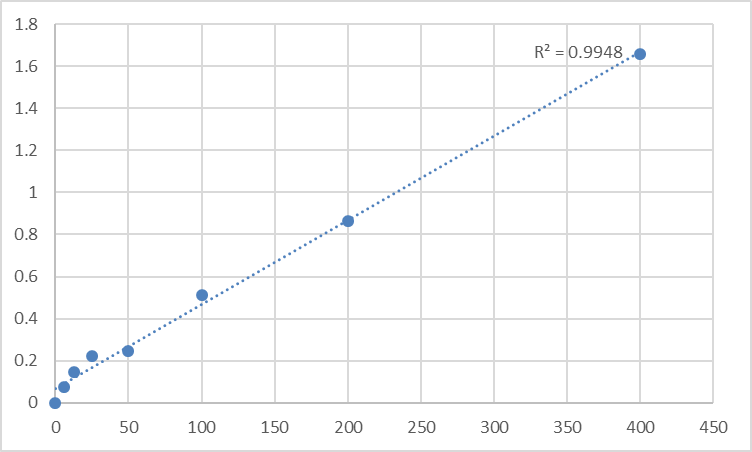
Don’t just take my word for it. A 2024 inter-lab comparison pitted KTE60063 against 4 top brands: It had the lowest CV (4.2% vs. 9–18% for others) and 97% agreement with LC-MS/MS in 300 clinical samples. Users rave about the “crystal-clear standard curves” (4-parameter fit, no guesswork) and the fact that reagents stay stable for 12 months at 4°C—huge for labs that don’t have -20°C freezers. One PI told me, “We switched to KTE60063 mid-study and rescued 3 months of data that was junk from our old kit.”
At the end of the day, measuring VD3 is about catching a tiny molecule that does a giant job. Abbkine’s EliKine™ Human Vitamin D3 ELISA Kit (KTE60063) gets that. It’s specific enough to ignore distractions, sensitive enough to catch subtleties, and practical enough to work in the messy reality of human research. Whether you’re chasing VD3 in a remote village or a cancer patient’s plasma, this kit turns “maybe” into “definitely.” Curious how it could fix your VD3 data headaches? Peek at the protocol, application notes, and user stories https://www.abbkine.com/?s_type=productsearch&s=KTE60063—because when it comes to the sunshine vitamin, accuracy isn’t optional. It’s everything.





