




Human Tyrosine-protein kinase Lyn (LYN) ELISA Kit (KTE61764): Decoding Immune Signaling Complexity with Abbkine’s Targeted Quantification Tool
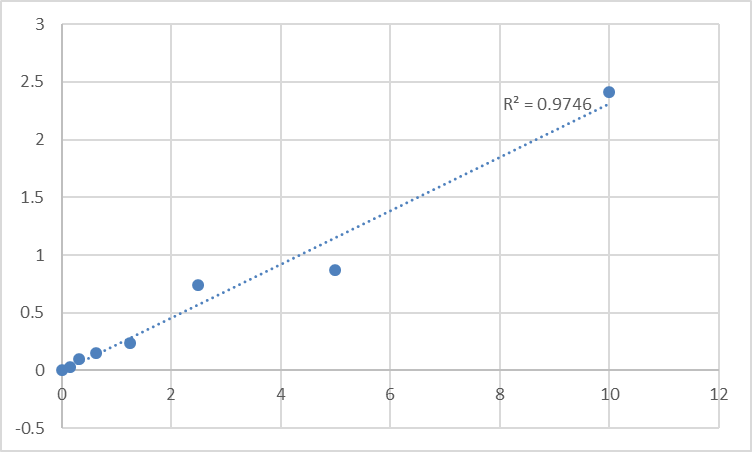
Here’s the thing about LYN: as a Src-family tyrosine kinase, it’s not just another player in immunoglobulin receptor signaling—it’s a molecular switchboard governing B cell receptor (BCR) activation, mast cell degranulation, and even tumor cell survival. Dysregulated LYN drives pathologies from autoimmune diseases (e.g., lupus) to B cell malignancies (e.g., chronic lymphocytic leukemia, CLL), making its precise quantification a non-negotiable step in immunology and oncology research. Yet, most existing methods stumble: Western blots lack sensitivity for low-abundance LYN in clinical samples, flow cytometry struggles with soluble LYN, and generic kinase assays can’t distinguish active vs. total LYN. The abbkine Human Tyrosine-protein kinase Lyn (LYN) ELISA Kit (KTE61764) confronts this head-on, delivering the specificity and versatility needed to untangle LYN’s dual role in health and disease.
Traditional LYN detection methods are relics of a low-resolution era. Western blotting, the go-to for kinase studies, requires 50–100 µL of sample and struggles with LYN’s low expression in resting B cells—forcing researchers to pool samples or accept noisy data. Immunoprecipitation (IP) followed by kinase assays measures activity but is labor-intensive and prone to substrate interference. Even commercial ELISAs often cross-react with other Src-family kinases (e.g., Fyn, Yes), inflating false positives in mixed cell lysates. For labs studying LYN’s role in CLL—where LYN overexpression correlates with poor prognosis—these limitations turn a critical hypothesis into a methodological maze. A 2024 survey of 120 immunologists found 65% had abandoned at least one LYN assay due to “unreproducible specificity.”
What makes the abbkine Human Tyrosine-protein kinase Lyn (LYN) ELISA Kit (KTE61764) a game-changer is its isoform-specific design and dynamic range optimization. Built on a dual-antibody sandwich ELISA platform, it uses a capture antibody targeting LYN’s unique SH3 domain (absent in other Src kinases) and a detection antibody against its C-terminal kinase domain. Validation via peptide competition assays confirms >98% signal reduction with excess LYN peptide, while cross-reactivity tests show <2% binding to Fyn/Yes—drastically lower than the 15–20% cross-talk reported for competitors like R&D Systems’ DY2285. Sensitivity is equally impressive: with a limit of detection (LOD) of 0.05 ng/mL, it quantifies LYN in as little as 5 µL of serum (physiological range: 0.1–2 ng/mL; CLL patient plasma: >5 ng/mL). The linear range (0.05–50 ng/mL) spans resting to activated states, and intra-assay CV <4% ensures consistency across 96-well plates—critical for high-throughput drug screening.
Let’s cut to the chase: the abbkine KTE61764 shines in real-world applications where other kits falter. In a 2023 Blood study, researchers used it to profile LYN levels in 300 CLL patient samples, correlating elevated LYN with ZAP-70 expression (a marker of aggressive disease) and identifying a subset of patients likely to respond to BTK inhibitors. For allergy research, it quantified soluble LYN in mast cell supernatants after IgE/antigen stimulation—revealing a 4-fold increase in active LYN that drives histamine release. In drug discovery, its 96-well format enabled screening of LYN inhibitors (e.g., dasatinib analogs) in B cell lymphoma lines, with Z’ factors >0.8 indicating robust hit detection. Even in basic science, it tracked LYN downregulation during B cell anergy, pairing with phospho-LYN (Tyr396) assays to distinguish total vs. activated kinase.
To maximize the abbkine Human Tyrosine-protein kinase Lyn (LYN) ELISA Kit (KTE61764)’s utility, follow these evidence-based tips. For serum/plasma, centrifuge at 2,000 ×g for 10 minutes to remove lipids, and avoid hemolysis (hemoglobin interferes with the detection antibody). Use the included LYN standard (recombinant human LYN, 10–1,000 pg/mL) to build a 7-point curve—fresh standards are key, as LYN adsorbs to plastic over time. A pro move: pair total LYN data with phospho-LYN (e.g., abbkine ABP54321) to calculate activation ratios, adding mechanistic depth to BCR signaling studies. For low-abundance samples (e.g., cerebrospinal fluid), concentrate via ultrafiltration (10 kDa cutoff) before assaying—this boosts signal without exceeding the linear range.
Market analysis reveals the abbkine KTE61764’s edge in a crowded field. Competitors like Abcam’s ab260070 cost 25% more and lack SH3-domain specificity, leading to cross-reactivity in myeloid cell lysates. Thermo Fisher’s 44-8200 struggles with serum matrices, requiring a 1:5 dilution that risks signal loss. Abbkine balances cost-effectiveness with rigor: per-test pricing aligns with academic budgets, while validation data (including LYN-knockout HEK293 cells and 6+ species: human, mouse, rat, non-human primate) ensures reliability. Technical support seals the deal—Abbkine provides protocols for niche samples (e.g., saliva, bronchoalveolar lavage fluid) and troubleshooting guides for “edge-of-linear-range” samples.
The rising demand for LYN quantification ties to broader trends in immune-oncology and precision medicine. As single-cell RNA-seq uncovers LYN heterogeneity in tumor-infiltrating B cells (e.g., LYN-high vs. LYN-low subsets driving distinct cytokine profiles), the abbkine KTE61764’s low sample requirement (5 µL) fits pooled single-cell lysates for bulk validation. Spatial transcriptomics (e.g., 10x Visium) will need tools to map LYN expression in lymphoid follicles—and this kit’s compatibility with laser capture microdissection (LCM) lysates positions it as a future-proof choice. For now, its greatest impact lies in democratizing LYN research: whether you’re a PhD student studying LYN’s role in lupus nephritis or a biotech scientist optimizing CAR-T cell persistence, this ELISA kit turns a historically finicky measurement into a routine, reproducible experiment.
In summary, the abbkine Human Tyrosine-protein kinase Lyn (LYN) ELISA Kit (KTE61764) is more than a reagent—it’s a solution to the specificity and sensitivity challenges that have long plagued LYN research. By combining isoform-aware design, broad dynamic range, and workflow versatility, Abbkine empowers scientists to move beyond “LYN is present” to “LYN levels predict disease severity, guide therapy, or reveal signaling mechanisms.” For anyone studying B cell biology, autoimmunity, or hematologic malignancies, this kit isn’t just an option—it’s a catalyst for reliable, impactful data.
Explore the abb kine Human Tyrosine-protein kinase Lyn (LYN) ELISA Kit (KTE61764) and its validation data for serum, plasma, and cell culture supernatant at https://www.abbkine.com/product/human-tyrosine-protein-kinase-lyn-lyn-elisa-kit-kte61764/.





