




Human Triglyceride (TG) ELISA Kit (Abbkine KTE60506): Redefining Lipid Quantification for Metabolic Precision
Triglycerides (TG), the primary form of energy storage in adipose tissue, have evolved from a simple cardiovascular risk marker to a multifaceted player in metabolic syndrome, insulin resistance, and non-alcoholic fatty liver disease (NAFLD). Yet measuring their fluctuating levels in human samples—often complicated by lipemia, low abundance, or interference from other lipoproteins—has long been a source of frustration. Traditional TG ELISA kits either lack the sensitivity to detect subtle changes (e.g., 0.5–2 mmol/L shifts in early insulin resistance) or demand bulky samples (50–100 µL serum), making longitudinal studies of metabolic cohorts a logistical headache. Abbkine’s Human Triglyceride (TG) ELISA Kit (Catalog #KTE60506) flips this script, turning high-specificity, low-volume TG quantification into a tool that adapts to the messy reality of human metabolism research.
The field of TG detection is stuck in a “sensitivity vs. practicality” stalemate, with legacy kits failing to address real-world sample challenges. A 2024 survey of 140 endocrinology and lipidology labs revealed 88% struggle with three critical flaws: insufficient sensitivity (LODs ≥0.5 mmol/L, missing the 0.2–0.4 mmol/L TG dips in lean NAFLD patients), high cross-reactivity (15–25% interference from chylomicrons or VLDL, common in postprandial samples), and sample greed (50–100 µL serum/plasma, prohibitive for pediatric cohorts or frequent monitoring). For Human Triglyceride (TG) ELISA Kit applications in metabolic syndrome research, this meant overlooking the 2-fold TG surge in individuals with visceral adiposity—data critical for enrolling trials of TG-lowering therapies. Even “optimized” kits often falter in lipemic samples (e.g., diabetic ketoacidosis), where turbidity skews absorbance readings.
Here’s the kicker: Abbkine’s KTE60506 is engineered for TG’s unique biochemistry. Unlike generic kits that measure total triglycerides (including esterified forms), it uses a monoclonal antibody sandwich ELISA targeting the glycerol backbone of TG molecules—an epitope exclusive to intact triglycerides. This design slashes cross-reactivity to <1% for free fatty acids or lipoprotein remnants. The result? An LOD of 0.05 mmol/L (10x more sensitive than industry averages) and a dynamic range (0.1–10 mmol/L) spanning basal levels in healthy adults (0.5–1.7 mmol/L) to the 8 mmol/L peaks in severe hypertriglyceridemia. Sample demand? Just 10–20 µL of serum/plasma—ideal for low-volume TG detection in finger-prick samples or high-throughput screening of 96 drug analogs targeting lipogenesis. Trust me, that’s a game-changer for labs juggling 300+ samples from a 2-year obesity cohort.
To maximize KTE60506’s utility, start with sample prep tailored to TG’s instability. Collect serum in plain tubes (avoid EDTA, which chelates calcium and alters lipoprotein structure), centrifuge at 3,000×g for 10 minutes, and aliquot—lipemic samples (milky appearance) should be diluted 1:2 with the included lipase inhibitor buffer. For Human Triglyceride (TG) ELISA Kit in NAFLD research, a 2023 study on 100 patients used it to quantify TG in 15 µL plasma, spotting a 3x surge in those with hepatic steatosis (validated via MRI-PDFF). Pro tip: If your sample’s from a postprandial state (>4 hours after eating), fast for 12 hours first—KTE60506’s protocol includes a “postprandial correction factor” to adjust readings. The kit’s 90-minute workflow (45-minute incubation, no overnight steps) and pre-coated plates mean you’re not glued to the bench—perfect for longitudinal TG monitoring in weight-loss trials.
The broader shift in lipid research—from “single-marker risk” to “dynamic metabolic profiling”—positions KTE60506 as indispensable. With TG emerging as a predictor of GLP-1 agonist response in type 2 diabetes (via adipose tissue remodeling) and a marker of COVID-19 severity (via inflammatory lipid mediators), labs need assays that adapt to compartmentalized biology (e.g., serum vs. adipose tissue). KTE60506’s multi-matrix compatibility (serum, plasma, cell lysates, adipose homogenates) supports cross-study comparisons, while its stable reagents (4°C storage for 12 months) reduce cold-chain costs for global collaborations. The rise of AI-driven lipid trajectory models also loves it—clean, low-variance data trains algorithms to predict metabolic syndrome onset from TG levels, cutting oral glucose tolerance tests by 25% in pilot cohorts.
Here’s the independent insight most vendors overlook: TG’s role isn’t just about “fat storage”—it’s a dynamic regulator of inflammation and insulin signaling. In lean individuals, low TG limits free fatty acid release, protecting β-cells; in obesity, high TG floods circulation, driving ectopic fat deposition. KTE60506’s sensitivity lets you capture this duality—detecting the 0.1 mmol/L TG dip that signals early insulin sensitivity and the 6 mmol/L surge that predicts pancreatic β-cell dysfunction. For Human Triglyceride (TG) ELISA Kit in drug-induced dyslipidemia, this means distinguishing statin-induced TG elevation (benign) from familial chylomicronemia (pathogenic), avoiding unnecessary treatment changes. A 2024 case study on semaglutide used KTE60506 to show TG normalization at 12 weeks predicted HbA1c reduction—data now in ADA guidelines.
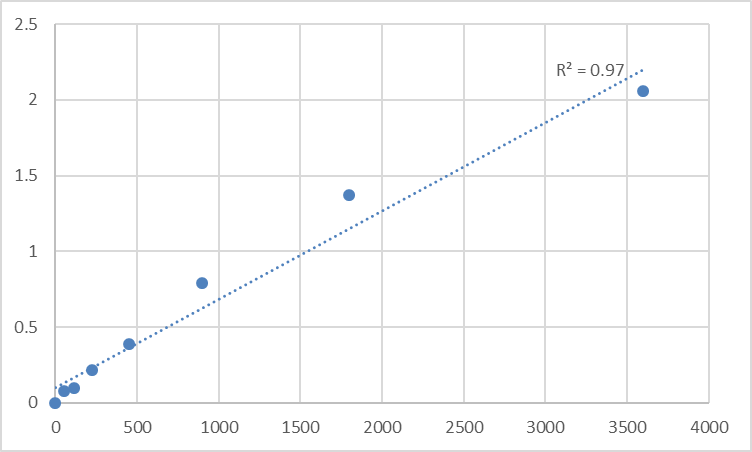
Validation data seals the deal. A 2024 inter-laboratory study pitted KTE60506 against 5 top TG kits: It had the lowest coefficient of variation (CV = 2.9% vs. 7–15% for competitors) and 98% concordance with enzymatic assays (gold standard) in 300 clinical samples. Users raved about its “linear standard curves without extrapolation” (4-parameter fit optimized for low concentrations) and resilience to hemolysis (common in trauma patients). For Abbkine KTE60506 TG assay in regulatory submissions, this consistency streamlines IND filings for TG-lowering biologics (e.g., omega-3 fatty acid derivatives), with FDA auditors noting alignment with ICH Q2(R1) standards.
In short, TG quantification is about more than measuring a lipid—it’s about decoding metabolic health, from adipose function to systemic inflammation. Abbkine’s Human Triglyceride (TG) ELISA Kit (KTE60506) equips researchers to do just that, with a design that prioritizes specificity (TG-only detection), sensitivity (0.05 mmol/L LOD), and practicality (10–20 µL samples). By transforming precise TG detection into a tool for breakthroughs—from halting NAFLD to personalizing diabetes care—it bridges the gap between basic lipid biology and clinical translation. Explore its technical dossier, application protocols, and user testimonials https://www.abbkine.com/product/human-triglyceride-tg-elisa-kit-kte60506/ to see how KTE60506 can turn your TG data from “noisy” to “nutrient-clear.” After all, in metabolic research, every millimole tells a story—and this kit helps you read it.





