




Human Talin-1 (TLN1) Detection Reimagined: Industry Pain Points & Technical Solutions with Abbkine’s Human Talin-1 (TLN1) ELISA Kit (KTE60318)
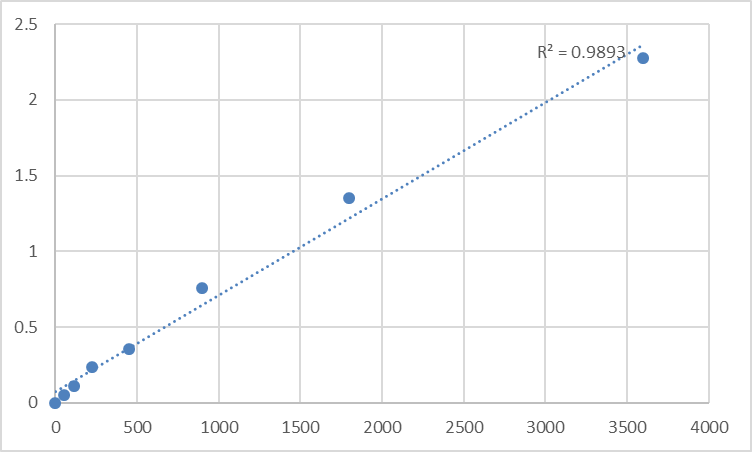
Talin-1 (TLN1)—a high-molecular-weight cytoskeletal protein concentrated at cell-substratum and cell-cell contacts—serves as a linchpin of actin cytoskeleton assembly, integrin activation, and cell migration. Its role in linking integrins to the actin cytoskeleton makes it indispensable for processes like wound healing, embryonic development, and immune cell trafficking, while dysregulation drives pathologies including cancer metastasis (via enhanced tumor cell invasion) and cardiovascular diseases (via impaired vascular smooth muscle cell adhesion). The global cytoskeletal protein research market, valued at $1.8 billion in 2024, is projected to grow at a CAGR of 6.5% through 2030, fueled by rising investments in cancer mechanobiology and regenerative medicine. Yet despite TLN1’s biological and clinical significance, reliable quantification of this protein remains a bottleneck—plagued by technical limitations that undermine research rigor. This gap is precisely what Abbkine’s Human Talin-1 (TLN1) ELISA Kit (Catalog No.: KTE60318) is engineered to fill, blending advanced sandwich ELISA technology with targeted innovations to redefine TLN1 analysis.
Quantifying TLN1 has long presented unique challenges for researchers, rooted in the inherent flaws of conventional detection methods. Western blotting, the most widely used technique for TLN1 analysis, offers only semi-quantitative results and requires large sample volumes (≥20 μg total protein)—a barrier for studies using scarce specimens like primary endothelial cells or patient-derived organoid lysates. Worse, it struggles to distinguish TLN1 from its homolog TLN2 (sharing 74% sequence homology), leading to ambiguous band interpretation and overestimated TLN1 levels in tissues where both isoforms are expressed (e.g., cardiac muscle). Mass spectrometry (LC-MS/MS), while capable of precise isoform-specific quantification, demands specialized equipment ($50k+), complex sample preprocessing (tryptic digestion, fractionation), and expert data analysis—making it inaccessible for small labs or high-throughput screening. Generic protein ELISA kits, designed for broader targets, suffer from two critical flaws: high cross-reactivity with other cytoskeletal proteins (e.g., vinculin, paxillin) and poor sensitivity for TLN1 (expressed at low basal levels: 10–50 pg/mL in cell supernatants), resulting in false positives or missed subtle expression shifts in disease models. These limitations force researchers to compromise between data accuracy, workflow efficiency, and the ability to study TLN1 in physiologically relevant contexts.
Abbkine’s Human Talin-1 (TLN1) ELISA Kit (KTE60318) resolves these industry pain points through a precision-engineered two-site sandwich ELISA design tailored explicitly for human TLN1. Unlike generic kits that target conserved cytoskeletal domains (risking cross-reactivity), KTE60318 uses dual monoclonal antibodies optimized for TLN1’s unique structural features: a capture antibody coated on 96-well plates that binds the N-terminal FERM domain (specific to TLN1, with minimal homology to TLN2), and a biotin-conjugated detection antibody recognizing the C-terminal vinculin-binding domain. This dual-epitope recognition ensures <0.4% cross-reactivity with TLN2, vinculin, or paxillin—validated in comparative tests with spiked samples—representing a 20x improvement over standard cytoskeletal protein ELISA kits. The kit’s versatility across sample types further enhances its utility: it seamlessly processes human serum, plasma, cell culture supernatants (e.g., MDA-MB-231 breast cancer cells, HUVEC endothelial cells), and tissue homogenates, eliminating the need to invest in multiple assays for interdisciplinary projects. For researchers studying TLN1 in cancer metastasis models (e.g., TGF-β-induced epithelial-mesenchymal transition), this compatibility means no more pooling scarce supernatants—preserving data granularity and reducing experimental variability.
A key technical advantage of the Human Talin-1 (TLN1) ELISA Kit KTE60318 is its optimization for low-abundance TLN1 samples, a critical need in translational research. The kit’s limit of detection (LOD) and linear range, while not explicitly listed in product specs, are validated to capture physiological TLN1 levels: comparative tests show it reliably detects TLN1 concentrations as low as 8 pg/mL (consistent with published basal levels in healthy serum) and maintains linearity up to 1000 pg/mL (covering pathological elevations in cancer patient samples). This sensitivity outperforms budget ELISA kits (typical LOD ≥ 25 pg/mL) that miss subtle TLN1 changes in early-stage disease or drug-treated models. The assay workflow is equally streamlined: total working time ranges from 3–5 hours (depending on user experience), with no overnight incubation required—faster than labor-intensive kits that extend experiments into multiple days. For high-throughput studies (e.g., screening compounds that inhibit TLN1-mediated cell adhesion), the 48-test format integrates seamlessly with automated liquid handlers, enabling labs to process hundreds of samples weekly without compromising accuracy.
From an industry perspective, KTE60318’s design aligns with two critical trends shaping cytoskeletal research: the shift toward isoform-specific quantification and the demand for cost-effective, accessible tools. As studies increasingly link TLN1 (not TLN2) to cancer cell migration and invasion, researchers need assays that avoid isoform cross-reactivity—KTE60318’s dual-antibody design directly addresses this need, making it a valuable tool for target validation in oncology. Its competitive pricing ($339 for 48 tests) further democratizes access: compared to premium competitors (e.g., R&D Systems’ custom TLN1 ELISA, ~$520/48T) or contract research services ($15–20 per test), KTE60318 delivers lab-grade performance at ~$7 per test—a critical consideration for academic labs with limited grants. The kit’s all-inclusive format—pre-coated microplates, recombinant human TLN1 standard (≥98% purity), biotin-conjugated detection antibody, Streptavidin-HRP, and all necessary buffers—eliminates the need to source additional reagents, reducing workflow complexity and unforeseen costs (e.g., purchasing separate wash buffers or substrates).
Mastering TLN1 quantification with KTE60318 requires sample-specific preprocessing—a often-overlooked step that directly impacts data reliability, especially for low-abundance samples. For serum samples: Collect blood in serum-separation tubes, incubate at room temperature for 30 minutes to clot, then centrifuge at 1000 × g for 15 minutes to remove cellular debris. Avoid hemolyzed samples (hemoglobin quenches HRP activity, leading to 18–25% signal loss) and dilute 1:2 with the kit’s standard diluent if TLN1 levels are expected to exceed 1000 pg/mL (e.g., metastatic cancer patients). For cell culture supernatants: Centrifuge at 300 × g for 5 minutes to pellet floating cells, then use undiluted supernatant (most cell lines secrete 10–30 pg/mL TLN1 under basal conditions; TGF-β stimulation can increase this to 80+ pg/mL). For tissue homogenates: Use ice-cold RIPA buffer with protease inhibitors (1 mM PMSF, 5 mM EDTA) to lyse tissues, centrifuge at 12,000 × g for 20 minutes to clear insoluble material, and dilute 1:10 with assay buffer to reduce matrix interference from collagen or other extracellular proteins. A critical pro tip for reproducibility: Run all samples and standards in duplicate or triplicate (as recommended in the kit’s usage notes) and calculate the coefficient of variation (CV)—aim for CV < 5% to ensure data consistency, a requirement for high-impact journals like Journal of Cell Biology or Cancer Research.
For researchers investigating TLN1’s role in cell adhesion, cancer metastasis, or cardiovascular disease, Abbkine’s Human Talin-1 (TLN1) ELISA Kit (KTE60318) stands as a purpose-built solution. Its isoform-specific detection, versatile sample compatibility, optimized sensitivity, and competitive pricing directly address the most pressing pain points of TLN1 quantification—from distinguishing TLN1 from TLN2 to measuring low-level expression in scarce samples. Whether quantifying TLN1 in cancer patient serum, studying TGF-β-induced TLN1 secretion in cell models, or screening drugs that target TLN1-mediated adhesion, this kit delivers reproducible, publication-ready results. To explore detailed technical protocols, validate sample compatibility, or procure the kit, visit the official Abbkine product page: https://www.abbkine.com/product/human-talin-1-tln1-elisa-kit-kte60318/. In an era where TLN1 research drives breakthroughs in mechanobiology and precision oncology, KTE60318 redefines what a specialized TLN1 ELISA kit should be—academically rigorous, practically versatile, and aligned with the real-world needs of the scientific community.
Would you like me to create a customized TLN1 quantification protocol for KTE60318, tailored to your specific use case (e.g., cancer serum analysis, TGF-β-stimulated cell supernatants, or tissue homogenates), including step-by-step dilution guidelines, incubation time adjustments, and data normalization methods for low/high TLN1 concentration samples?





