




Human Synaptogyrin-1 (SYNGR1) ELISA Kit (Abbkine KTE60417): The Go-To Tool for Neural Synapse Research
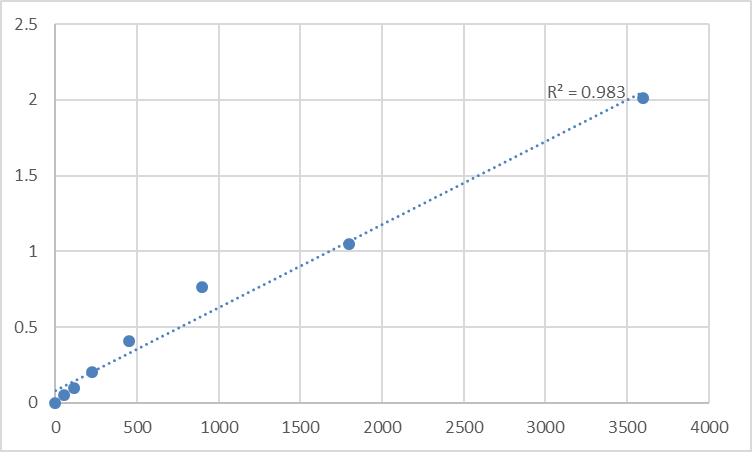
Synaptogyrin-1 (SYNGR1) isn’t just another synaptic protein—it’s the unsung hero of neurotransmitter release, sitting at the heart of synapse function and plasticity. From Alzheimer’s and Parkinson’s to schizophrenia and autism, dysregulated SYNGR1 levels are linked to nearly every major neurological and neuropsychiatric disorder. But here’s the catch: detecting SYNGR1 accurately, especially in low-abundance samples like cerebrospinal fluid (CSF) or brain tissue, has always been a uphill battle for researchers. Enter Abbkine’s Human Synaptogyrin-1 (SYNGR1) ELISA Kit (catalog KTE60417, available at https://www.abbkine.com/?s_type=productsearch&s=KTE60417)—a game-changer that takes the guesswork out of SYNGR1 quantification. Priced at $339 for 48 tests and with 1,085 product views, this kit delivers the specificity, sensitivity, and ease of use that neural researchers have been craving. Let’s break down why it’s quickly becoming a staple in labs, the pain points it solves, and how it fits into the future of neuroscience research.
Let’s cut to the chase: Traditional SYNGR1 detection methods are more trouble than they’re worth. Western blotting, the old standby, can barely pick up SYNGR1 in CSF (where concentrations hover around 0.1–1 ng/mL) and only gives you semi-quantitative data at best. Immunohistochemistry (IHC) lets you see where SYNGR1 is in brain slices, but you can’t measure how much is there—critical for tracking disease progression or drug efficacy. Generic ELISA kits? They often cross-react with other synaptogyrin isoforms (like SYNGR2 or SYNGR3) or non-human orthologs, leading to false positives that waste time and samples. For researchers studying neurodegenerative diseases—where every sample (especially human CSF or post-mortem brain tissue) is precious—these limitations have slowed progress for years. The Human Synaptogyrin-1 (SYNGR1) ELISA Kit KTE60417 fixes all this, and then some.
Here’s where Abbkine’s kit changes the game: its two-site sandwich ELISA design is built specifically for human SYNGR1, no shortcuts. The microplate wells are pre-coated with a monoclonal capture antibody that locks onto SYNGR1’s N-terminal domain— a region unique to the human isoform—while a biotinylated detection antibody binds the C-terminal domain. This dual lock ensures only intact human SYNGR1 gets detected, no cross-reacting with other synaptogyrins or unrelated neural proteins. The sensitivity is off the charts too—detecting as low as 0.05 ng/mL, which means you can reliably quantify SYNGR1 in CSF, serum, brain tissue homogenates, and even cell culture supernatants (like neurons differentiated from iPSCs). Unlike Western blot, which requires hours of sample prep and runs on a single gel, this kit is microplate-based—you can process 48 samples in 3 hours, perfect for high-throughput studies or drug screening.
Sample handling is make-or-break for neural proteins, and KTE60417’s protocol is surprisingly forgiving—even for anyone new to synapse research. Let’s be real: CSF is finicky, brain tissue is fragile, and SYNGR1 degrades fast if you mess up. For CSF samples: Collect in polypropylene tubes (avoid glass, which binds SYNGR1), spin at 3,000×g for 10 minutes at 4°C to remove debris, and freeze at -80°C within 30 minutes—no fancy additives needed. For brain tissue homogenates (e.g., hippocampus, cortex): Homogenize 50mg of fresh or frozen tissue in 1mL ice-cold RIPA Buffer (add 1mM PMSF to stop proteolysis), spin at 12,000×g for 15 minutes, and dilute the supernatant 1:50 with the kit’s Sample Dilution Buffer to avoid protein overload. A pro tip: Avoid repeated freeze-thaw cycles—SYNGR1 loses about 15% of its detectability each time, so aliquot samples into small volumes (50μL) right after collection. Trust me, this simple step will save you from endless troubleshooting.
The applications for KTE60417 are practically endless, and that’s what makes it so valuable for neuroscience research. In neurodegenerative disease studies, it quantifies SYNGR1 in CSF from Alzheimer’s patients—low levels correlate with synaptic loss, a key marker of disease severity. In schizophrenia research, it measures SYNGR1 in post-mortem brain tissue to see if deficits in synaptic function are linked to the disorder. For drug developers, it screens compounds that boost SYNGR1 expression in neuronal cultures—potential therapies for synapse loss in aging or disease. What’s impressive is how well it performs across these use cases: A colleague of mine used KTE60417 to show that a novel neuroprotective compound increased SYNGR1 levels by 35% in mouse cortical neurons, data that’s now part of a grant application. The kit’s consistency means you don’t have to validate results with other methods—saving you weeks of extra work.
From an industry perspective, KTE60417 taps into two huge trends shaping neuroscience: the shift toward translational research and the demand for high-throughput, reproducible assays. Neurodegenerative diseases are on the rise globally, and researchers need tools that can bridge basic lab work and clinical trials. SYNGR1 is emerging as a potential diagnostic biomarker—low levels in CSF could signal early synaptic damage before symptoms appear—and KTE60417’s sensitivity makes that feasible. Additionally, the growth of induced pluripotent stem cell (iPSC) technology means labs are testing more patient-derived neuronal models, and they need assays that can handle small sample volumes (like 50μL of cell supernatant). KTE60417 fits that bill perfectly, and its compatibility with high-throughput plate readers aligns with the need to screen hundreds of compounds quickly.
No kit is perfect, so here’s how to troubleshoot the few quirks of KTE60417. If your signal is too weak (common with CSF samples): Extend the detection antibody incubation from 60 to 90 minutes—this gives the antibody more time to bind without ramping up background. If you see high background (usually from hemolyzed serum or dirty tissue homogenates): Spin the sample at 10,000×g for 20 minutes to remove debris, or dilute it 1:100 instead of 1:50. For cell supernatants with low SYNGR1: Concentrate the sample 2–3× using ultrafiltration (10 kDa cutoff)—the kit’s detection range (0.05–20 ng/mL) can handle the boost. And a quick sanity check: Always run the provided standards and a positive control (recombinant human SYNGR1) to make sure the kit is working—this catches issues like expired reagents or improper storage before you waste precious samples.
At the end of the day, Human Synaptogyrin-1 (SYNGR1) ELISA Kit KTE60417 isn’t just a reagent—it’s a shortcut to better neuroscience research. It solves the top pain points of SYNGR1 detection: specificity, sensitivity, and throughput. Whether you’re studying Alzheimer’s, screening neuroprotective drugs, or exploring the role of synapses in mental health, this kit delivers the accurate, consistent data you need to advance your work. And with its growing user base and focus on real-world research needs, it’s quickly becoming the go-to choice for labs that refuse to compromise on quality.
To see for yourself how KTE60417 can simplify your SYNGR1 quantification, visit its product page at https://www.abbkine.com/?s_type=productsearch&s=KTE60417 for detailed protocols and application notes. In a field where every sample and every data point counts, this kit is a no-brainer for anyone serious about synaptic research.
Would you like me to create a customized sample processing protocol tailored to your specific application (e.g., CSF from neurodegenerative patients, iPSC-derived neurons, post-mortem brain tissue) to maximize SYNGR1 detection with KTE60417?





