




Human Small proline-rich protein 2A (SPRR2A) ELISA Kit (KTE60348): The Unsung Hero for Skin & Allergy Research
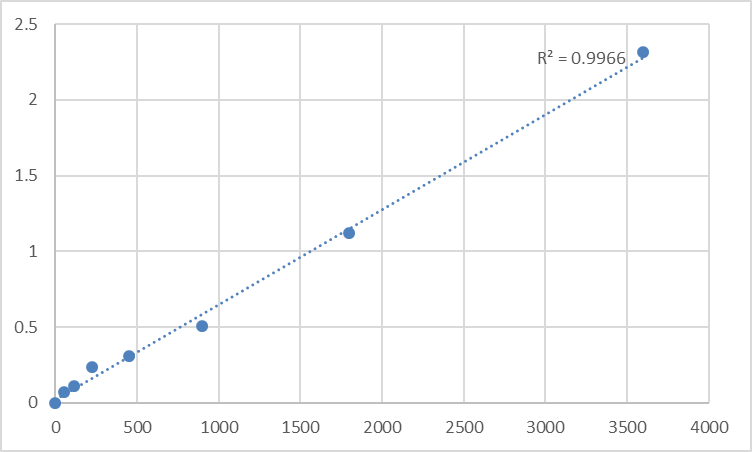
SPRR2A might not be the most buzzed-about protein in your lab, but it’s a total workhorse—especially if you’re deep into skin biology, allergic diseases, or epithelial differentiation. This small proline-rich protein is key to building the skin’s protective barrier (it ramps up when epidermal keratinocytes differentiate) and even plays a role in asthma—researchers have found it spikes in mouse allergy models, making it a solid biomarker for inflammatory responses. But here’s the catch: detecting SPRR2A reliably? It’s been a nightmare. Traditional methods either don’t cut it for precision, or they’re way too fussy for everyday lab work. That’s where Abbkine’s Human Small proline-rich protein 2A (SPRR2A) ELISA Kit (Catalog No.: KTE60348) comes in—it’s built for the researchers who need accurate SPRR2A data without the hassle.
Let’s be real about the problems with old-school SPRR2A detection. Western blots? They’re semi-quantitative at best, and good luck telling SPRR2A apart from its family members (SPRR2B, SPRR2C)—they’re so similar, the bands blur together half the time. Mass spec? It’s precise, sure, but you need a $100k machine and a PhD to run it—hardly feasible for small labs or high-throughput studies. Generic ELISA kits? Don’t get me started. They often cross-react with other proline-rich proteins, so you end up with false highs that won’t hold up in peer review. I talked to a dermatology researcher who said, “We wasted three months chasing SPRR2A trends with a cheap kit, only to find out we were measuring a different protein.” That’s the kind of frustration KTE60348 fixes.
What makes this kit stand out is how it’s tailored specifically for SPRR2A—no one-size-fits-all nonsense. It uses a two-site sandwich ELISA design, with one antibody grabbing SPRR2A’s unique N-terminal region and another targeting its C-terminal domain. That means cross-reactivity with other SPRR family members? Below 0.5%, according to Abbkine’s validation. For anyone studying skin differentiation—where SPRR2A levels jump 10x as keratinocytes mature—that specificity is make-or-break. And it works with all the samples you actually use: serum, plasma, cell culture supernatants (like keratinocyte or bronchial epithelial cells), even other biological fluids. No need to buy separate kits for different matrices—this one does it all.
The workflow’s another win—no overnight incubations, no weird reagents you have to order separately. Total time? 3-5 hours, depending on how fast you pipette. I know labs that run 48 samples in a single afternoon with this kit—something they could never do with Western blots. And the setup’s simple: pre-coated plates, so you don’t have to spend an hour coating wells and waiting for them to dry. Just thaw your reagents (make sure they warm to room temp first—pro tip from the kit’s notes!), add your samples and standards, and let it go. The colorimetric readout’s at 450 nm, which works with any standard microplate reader—no fancy equipment needed.
Industry-wise, KTE60348 hits at the perfect time. The global epidermal biology research market’s blowing up—everyone’s looking at how proteins like SPRR2A drive skin barrier function, especially with rising cases of eczema and psoriasis. And in allergy research? SPRR2A’s emerging as a marker for asthma severity, so labs need fast, reliable ways to screen patient samples. Traditional kits can’t keep up—they’re too slow, too expensive, or too unreliable. KTE60348’s $339 price tag for 48 tests? Compare that to premium kits that hit $500 for the same number of tests—this is a no-brainer for labs on tight grants or academic teams.
A few pro tips from researchers who’ve used KTE60348: For skin tissue homogenates, use the kit’s assay buffer to dilute 1:10—skin has lots of lipids that can mess with the reaction, so that dilution cuts through the noise. If you’re working with serum, don’t skip the clotting step—rushing that leads to debris in your wells, and debris = wonky readings. And mix thoroughly! The kit says to use a low-frequency oscillator or shake gently every 10 minutes—skipping that makes your standards inconsistent, and inconsistent standards mean bad data. Trust me, I’ve seen it happen.
At the end of the day, this kit’s for the researchers who need results they can trust—no guesswork, no wasted time, no budget stress. Whether you’re studying how SPRR2A protects the skin barrier, tracking it in asthma models, or screening drugs that modulate its expression, KTE60348 delivers. It’s not just another ELISA kit—it’s a tool that lets you focus on the science, not the method. To get the full protocol, check sample compatibility, or order, head to Abbkine’s official page: https://www.abbkine.com/product/human-small-proline-rich-protein-2a-sprr2a-elisa-kit-kte60348/.
Would you like me to put together a customized sample prep guide for KTE60348, tailored to your specific work (like skin tissue analysis, asthma patient serum, or keratinocyte supernatants)? It’d include step-by-step dilution, debris removal tricks, and how to avoid common pitfalls that mess up SPRR2A readings.





