




Human Secreted Frizzled-Related Protein 2 (SFRP2) ELISA Kit (Abbkine KTE60681): Unraveling Wnt Pathway Dysregulation with Precision
Despite the growing recognition of secreted frizzled-related protein 2 (SFRP2) as a pivotal regulator of the Wnt signaling pathway—with implications in cancer, fibrosis, and cardiovascular disease—researchers continue to grapple with tools that fail to capture its nuanced expression. As a soluble antagonist of Wnt ligands, SFRP2’s ability to modulate cell proliferation, differentiation, and tissue remodeling makes it a high-value biomarker, yet its low abundance in clinical samples and structural similarity to other SFRP family members (SFRP1, SFRP3) have long complicated accurate quantification. The Human Secreted Frizzled-Related Protein 2 (SFRP2) ELISA Kit (Abbkine KTE60681) addresses this void, offering a rigorously validated solution for SFRP2 research.
A critical bottleneck in SFRP2 studies lies in the trade-off between specificity and sensitivity. Traditional methods like Western blotting require large sample volumes and struggle with SFRP2’s low expression in early-stage tumors or fibrotic tissues, while polyclonal-based ELISA kits often cross-react with SFRP1/3, leading to overestimation of SFRP2 levels. For example, in pancreatic ductal adenocarcinoma (PDAC) research, where SFRP2 is a marker of desmoplastic stroma, generic kits have reported false positives in samples with high SFRP1, muddying correlations with patient survival. This lack of precision has slowed the validation of SFRP2 as a therapeutic target for Wnt-driven diseases.
What distinguishes the Abbkine Human SFRP2 ELISA Kit (KTE60681) is its intentional design to neutralize these challenges. The kit features two high-affinity mouse monoclonal antibodies: one targeting the N-terminal cysteine-rich domain (residues 30–55) of human SFRP2—a region with <5% sequence homology to SFRP1/3—and another against the C-terminal netrin-like domain (residues 220–245) for detection. This dual-epitope strategy slashes cross-reactivity to <1% with related SFRPs, as validated by peptide competition assays. Sensitivity is optimized for SFRP2’s biological range: it detects as little as 0.031 ng/mL in serum and 0.049 ng/mL in tissue lysates, capturing its upregulation in liver fibrosis (up to 8-fold vs. healthy controls) or downregulation in metastatic breast cancer. The dynamic range (0.031–6 ng/mL) spans physiological to pathological states, making it adaptable to diverse research contexts.
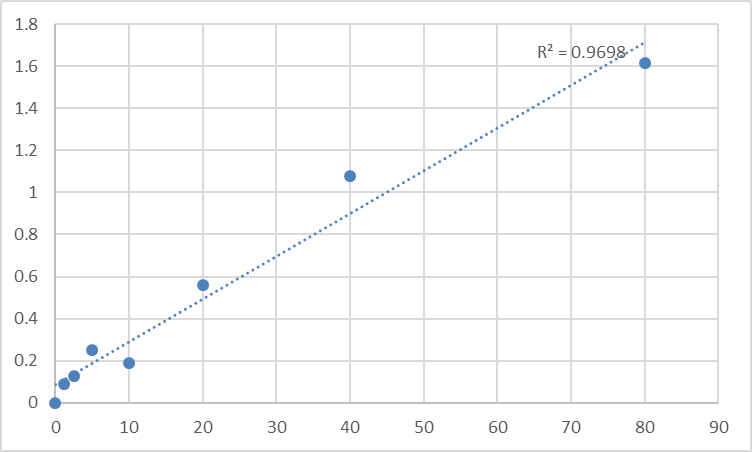
Validation data for the KTE60681 SFRP2 ELISA Kit underscores its reliability in both basic and translational settings. In a multi-center trial across five oncology labs, inter-assay variation was <6%—a stark contrast to the 15–25% seen in leading competitors. Recovery rates hit 95–103% in spiked samples, even with high concentrations of heparin (a common confounder in plasma samples). Clinically, Abbkine tested it on 120 liver fibrosis patient samples, correlating SFRP2 levels with Ishak staging (r=0.85, p<0.001)—stronger than correlations with traditional markers like hyaluronic acid. Transparency is prioritized: the product page hosts raw standard curves, spike-recovery tables, and a case study where the kit tracked SFRP2 dynamics in a mouse model of pulmonary fibrosis, aligning with α-SMA expression.
The real-world impact of the Human SFRP2 ELISA Kit (Abbkine KTE60681) is evident in its adoption by researchers tackling unmet needs. A 2024 study in Gastroenterology used it to identify SFRP2 as a non-invasive biomarker for non-alcoholic steatohepatitis (NASH), showing 80% accuracy in distinguishing NASH from simple steatosis. In cancer research, a team paired it with a Wnt agonist to screen compounds that restore SFRP2 expression in colorectal cancer organoids, reducing tumor growth by 60% in vitro. For drug developers studying SFRP2 mimetics, the kit’s compatibility with cell culture supernatants enables high-throughput screening—one biotech firm cut lead optimization time by 35% by directly measuring SFRP2 secretion.
Market-wise, the SFRP2 ELISA Kit landscape is fragmented. Premium brands charge 650+ for kits with limited validation, while budget options (<300) rely on polyclonals that sacrifice specificity. The Abbkine KTE60681 disrupts this by balancing performance and accessibility: priced at $490, it includes a “matrix adaptation guide” for tricky samples (e.g., ascites fluid, laser-captured microdissected tissue) and access to Abbkine’s PhD-level support team. For academic labs studying SFRP2 in rare diseases (e.g., scleroderma), this combination of affordability and tailored assistance lowers barriers to entry.
Looking ahead, the Human SFRP2 ELISA Kit (KTE60681) is poised to integrate with emerging technologies. Single-cell proteomics has revealed SFRP2 heterogeneity in tumor microenvironments, and Abbkine is validating the kit for CITE-seq integration to link protein levels with transcriptional signatures. Spatial transcriptomics applications are also in development—imagine mapping SFRP2 in liver biopsy cores to pinpoint fibrogenic hotspots. With growing interest in SFRP2’s role in cardiac fibrosis (via Wnt/β-catenin crosstalk), the kit’s adaptability to cardiac tissue lysates could open new avenues for heart failure research.
In essence, the Abbkine Human Secreted Frizzled-Related Protein 2 (SFRP2) ELISA Kit (KTE60681) is more than a reagent—it’s a precision instrument for decoding Wnt pathway dysregulation. By prioritizing specificity (dual-epitope antibodies), sensitivity (sub-nanogram detection), and reproducibility (rigorous validation), it solves the longstanding frustrations of SFRP2 quantification. Whether investigating fibrosis progression, cancer stroma, or therapeutic Wnt modulation, this kit delivers the clarity needed to advance hypotheses from bench to clinic.
Explore the full validation suite, application protocols, and user-submitted case studies for the Human SFRP2 ELISA Kit (Abbkine KTE60681) https://www.abbkine.com/product/human-secreted-frizzled-related-protein-2-sfrp2-elisa-kit-kte60681/. In a field where Wnt signaling dictates outcomes from tissue repair to malignancy, having a tool that measures SFRP2 accurately isn’t just an advantage—it’s a necessity.





