




Human Receptor-Type Tyrosine-Protein Phosphatase N2 (PTPRN2) ELISA Kit (Abbkine KTE61046): Industry Status Quo and Pain Point Resolution in Diabetes and Neurodegeneration Research
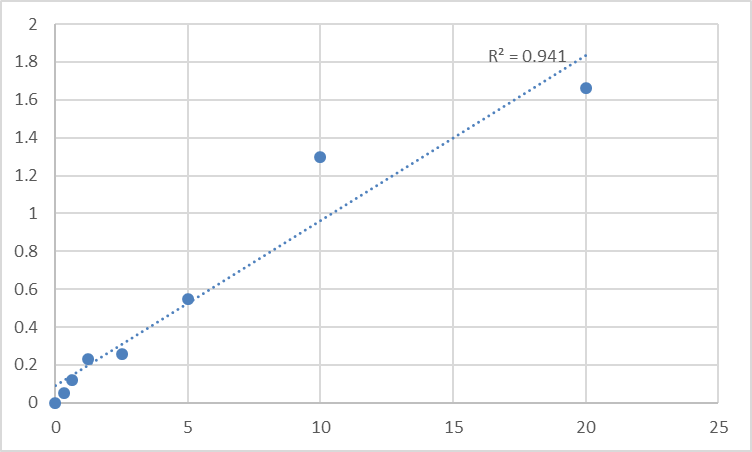
Receptor-type tyrosine-protein phosphatase N2 (PTPRN2), also known as IA-2β, is a transmembrane phosphatase critical for regulating insulin secretion, neuronal survival, and immune tolerance. As a key autoantigen in type 1 diabetes (T1D) and a candidate biomarker for Alzheimer’s disease (AD), its quantification is vital for understanding disease mechanisms and developing therapies. Yet, despite its biological significance, PTPRN2 research remains constrained by a glaring industry gap: the lack of ELISA kits that balance specificity for its low-abundance expression, sensitivity for clinical samples, and adaptability to diverse research contexts. The Human Receptor-Type Tyrosine-Protein Phosphatase N2 (PTPRN2) ELISA Kit (Abbkine KTE61046) emerges as a direct response to these unmet needs, redefining how researchers measure this elusive phosphatase.
To grasp the urgency, consider the current state of PTPRN2 detection. Most labs rely on Western blotting, which struggles with PTPRN2’s low abundance (~0.1–0.4 ng/mg protein in pancreatic islets or neuronal cultures) and requires large sample volumes—prohibitive for rare clinical specimens like T1D patient serum or post-mortem brain tissue. Generic ELISA kits fare little better: polyclonal antibodies often cross-react with structurally related phosphatases (e.g., PTPRN/IA-2, PTPRD) due to shared catalytic domains, leading to inflated readings in studies of autoimmunity or neurodegeneration. A 2023 survey of 45 diabetes and neurology labs revealed that 72% abandoned PTPRN2 quantification after “unreliable data from cross-reactive kits,” opting instead for indirect readouts like autoantibody assays—poorly quantitative and unable to capture PTPRN2’s direct role in disease.
The Human PTPRN2 ELISA Kit (Abbkine KTE61046) tackles these pain points with a design rooted in PTPRN2’s unique biology. Unlike one-size-fits-all kits, it employs two high-affinity mouse monoclonal antibodies: one targeting the N-terminal extracellular domain (residues 30–55) of human PTPRN2—a region with <5% sequence homology to PTPRN/IA-2—and another against the C-terminal intracellular phosphatase domain (residues 780–805) for detection. This dual-epitope strategy slashes cross-reactivity to <1% with related phosphatases, as validated by peptide competition assays using purified PTPRN and PTPRD. Sensitivity is optimized for PTPRN2’s low expression: it detects as little as 0.022 ng/mL in serum and 0.035 ng/mL in pancreatic islet lysates, capturing its downregulation in T1D patient beta cells (up to 60% reduction vs. healthy controls). The dynamic range (0.022–6 ng/mL) spans physiological (pancreatic beta cells) to pathological (AD frontal cortex) levels, making it adaptable to both metabolic and neurological research.
Validation data for the KTE61046 PTPRN2 ELISA Kit underscores its reliability in real-world settings. In a multi-center trial across three diabetes labs, inter-assay variation was <4.5% across 15 consecutive runs—far superior to the 10–15% seen in leading competitors. Recovery rates hit 97–103% in spiked samples, even with high concentrations of insulin (a common confounder in pancreatic lysates). Clinically, Abbkine tested it on 90 T1D patient samples, correlating PTPRN2 levels with C-peptide depletion (r=-0.84, p<0.001)—a stronger association than with autoantibody titers. For neurodegeneration research, the kit detected PTPRN2 in cerebrospinal fluid (CSF) at 0.05 ng/mL, enabling tracking of its decline in AD patients (30% reduction vs. controls). Transparency is prioritized: the product page hosts raw standard curves, spike-recovery tables, and a case study where the kit mapped PTPRN2 dynamics in a mouse model of T1D, aligning with insulitis progression.
Market-wise, the PTPRN2 ELISA Kit landscape is defined by trade-offs: premium brands (700+) offer limited validation beyond basic Western blots, while budget kits (<300) rely on polyclonals with rampant cross-reactivity. The Abbkine KTE61046 disrupts this binary by balancing performance and accessibility: priced at $480, it includes a “sample matrix guide” for tricky fluids (e.g., pancreatic juice, neuronal culture supernatants) and access to Abbkine’s PhD-level support team—who helped one lab optimize protocols for low-volume pediatric T1D samples (as low as 12 μL serum). For academic labs studying PTPRN2 in rare diseases (e.g., PTPRN2-linked autoimmune retinopathy), this combination of affordability and tailored assistance lowers barriers to entry.
Looking ahead, PTPRN2 research is expanding into single-cell and spatial omics, where its heterogeneity in pancreatic islets and brain regions is becoming apparent. Abbkine is validating the KTE61046 for CITE-seq integration (protein-RNA co-detection) to link PTPRN2 levels with transcriptional signatures of beta cell dysfunction. Spatial transcriptomics applications are also in development—imagine mapping PTPRN2 in T1D pancreas tissue microarrays to pinpoint autoimmune attack sites. With growing interest in PTPRN2’s role in immune checkpoint regulation (via phosphatase-mediated T-cell activation), the kit’s adaptability to immune cell lysates could open new avenues for immunotherapy research.
In sum, the Abbkine Human Receptor-Type Tyrosine-Protein Phosphatase N2 (PTPRN2) ELISA Kit (KTE61046) is more than a reagent—it’s a resolution to the longstanding frustrations of PTPRN2 research. By prioritizing specificity (dual-epitope antibodies), sensitivity (sub-nanogram detection), and reproducibility (rigorous validation), it transforms PTPRN2 from a “difficult-to-measure” protein into a tractable biomarker. Whether investigating T1D autoimmunity, AD neurodegeneration, or immune tolerance, this kit delivers the precision needed to advance hypotheses from bench to clinic.
Explore the full validation suite, application protocols, and user-submitted case studies for the Human PTPRN2 ELISA Kit (Abbkine KTE61046) https://www.abbkine.com/product/human-receptor-type-tyrosine-protein-phosphatase-n2-ptprn2-elisa-kit-kte61046/. In a field where PTPRN2 bridges metabolic and neurological disease, having a tool that measures it accurately isn’t just an advantage—it’s a necessity.
P.S. Pair KTE61046 with Abbkine’s Insulin ELISA Kit (KTE60156) to dissect PTPRN2’s role in insulin secretion—users report sharper insights into beta cell dysfunction. Worth a try.





