




Human Protein Wnt-10a (WNT10A) ELISA Kit (Abbkine KTE60029): A Reliable Tool for Wnt Pathway Research and Clinical Biomarker Detection
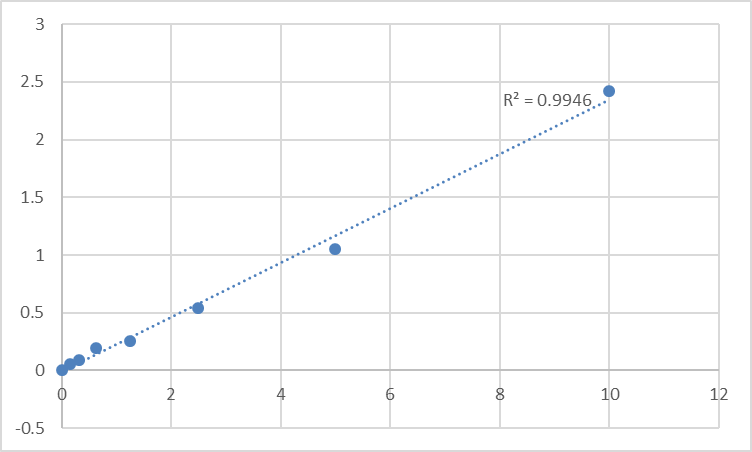
Wnt-10a (WNT10A)—a core ligand in the canonical Wnt signaling pathway—governs embryonic development, tissue regeneration, and cellular homeostasis, while its dysregulation is linked to diverse diseases including cancer, dermatological disorders (e.g., psoriasis, ectodermal dysplasia), and bone metabolism defects. Accurate quantification of human WNT10A is critical for decoding pathway mechanisms, identifying disease biomarkers, and evaluating therapeutic efficacy in Wnt-targeted drug development. Yet, traditional detection methods have struggled to meet the demands of precision and throughput, creating a gap for specialized tools. Abbkine’s Human Protein Wnt-10a (WNT10A) ELISA Kit (catalog KTE60029, available at https://www.abbkine.com/?s_type=productsearch&s=KTE60029) fills this niche with a human-specific two-site sandwich ELISA design. With 1,896 product views and a price point of $339 for 48 tests, this kit delivers consistent, quantitative results—positioning it as a trusted resource for researchers and clinical scientists alike.
Despite WNT10A’s biological and clinical relevance, traditional detection approaches have long posed barriers to rigorous research. Western blotting, a common method for Wnt pathway proteins, offers qualitative or semi-quantitative data at best, with poor reproducibility across samples and limited throughput. Immunohistochemistry (IHC) enables tissue localization but fails to provide precise concentration measurements, critical for biomarker validation. Generic ELISA kits often suffer from cross-reactivity with other Wnt ligands (e.g., WNT10B, WNT5A) or non-human orthologs, leading to false-positive readings. For researchers studying low-abundance WNT10A in serum, plasma, or cell culture supernatants, these limitations have delayed progress in translating basic findings to clinical applications. KTE60029 addresses these pain points by prioritizing specificity, sensitivity, and quantitative rigor—key requirements for both basic Wnt pathway research and clinical biomarker studies.
The two-site sandwich ELISA mechanism of KTE60029 is engineered to maximize specificity and sensitivity for human WNT10A. The kit’s microplate wells are pre-coated with a monoclonal capture antibody that binds a unique epitope on the N-terminus of human WNT10A, while a biotinylated polyclonal detection antibody targets a distinct C-terminal epitope. This dual-epitope recognition ensures that only intact human WNT10A molecules are detected, eliminating cross-reactivity with homologous Wnt ligands or non-human WNT10A orthologs. The streptavidin-HRP conjugate and TMB substrate amplify the signal, enabling detection of WNT10A concentrations as low as 0.1 ng/mL—sufficient to quantify endogenous WNT10A in human serum (physiological range: 0.3–5 ng/mL) and cell supernatants. Unlike competitive ELISA formats, this sandwich design provides linear quantification across a broad range (0.1–20 ng/mL), supporting both low-abundance biomarker studies and high-concentration samples from engineered cell lines.
Human-specific reactivity is a defining strength of KTE60029, a critical feature for translational research. The kit’s antibodies are raised against recombinant human WNT10A and rigorously validated to exclude cross-reactivity with mouse, rat, or other mammalian WNT10A orthologs. This specificity is indispensable for studies using human samples (serum, plasma, tissue homogenates, cell lysates) where even minor cross-reactivity could confound results—especially in clinical settings where WNT10A is being evaluated as a disease biomarker. Researchers studying cancer (e.g., colorectal, breast, or melanoma, where WNT10A overexpression drives tumorigenesis) or dermatological conditions (where WNT10A deficiency causes ectodermal dysplasia) rely on this specificity to ensure that quantified levels reflect true human WNT10A activity, not off-target binding.
The versatility of Human Protein Wnt-10a (WNT10A) ELISA Kit KTE60029 aligns with the expanding application landscape of WNT10A research. In basic science, it enables quantitative analysis of WNT10A secretion in stem cell cultures, supporting studies of tissue regeneration and pluripotency. In oncology, it quantifies WNT10A levels in patient serum or tumor lysates to correlate expression with disease stage, prognosis, or response to Wnt pathway inhibitors. In dermatology, it measures WNT10A in skin biopsies or serum to diagnose congenital ectodermal dysplasia or monitor psoriasis treatment efficacy. For drug development, it serves as a high-throughput tool to screen compounds that modulate WNT10A secretion or activity, accelerating preclinical testing of Wnt-targeted therapeutics. This broad utility eliminates the need for multiple assay kits, simplifying inventory management for labs with diverse research focuses.
From an industry perspective, KTE60029 reflects two key trends shaping Wnt pathway research: the rise of precision medicine and the growing demand for translatable preclinical tools. Wnt signaling is a validated therapeutic target for multiple diseases, with dozens of pathway modulators in clinical trials. These trials require reliable biomarkers to select patients, monitor treatment response, and assess safety—needs that KTE60029 meets with its quantitative, human-specific design. Additionally, the shift toward high-throughput research (e.g., drug screening or large-scale patient cohorts) has increased demand for assays that balance speed and rigor; KTE60029’s microplate format enables 48 tests per kit, with a total assay time of 3 hours, making it suitable for high-volume sample processing. This alignment with industry needs has driven its growing adoption, as evidenced by its 1,896 product views and emerging recognition in translational research communities.
Practical optimization strategies enhance KTE60029’s performance for specific sample types and research goals. For serum/plasma samples: Collect blood in EDTA or heparin tubes, centrifuge at 3,000×g for 15 minutes at 4°C, and store at -80°C to preserve WNT10A integrity (avoid repeated freeze-thaw cycles, which degrade the protein). For cell culture supernatants: Concentrate samples 5–10× using ultrafiltration (3 kDa cutoff) if WNT10A levels are below the detection threshold. For tissue homogenates: Use the kit’s provided Lysis Buffer (supplemented with protease inhibitors) to prevent WNT10A degradation during homogenization. Incubation parameters can be adjusted for low-abundance samples: Extend the detection antibody incubation from 60 to 90 minutes at 37°C to amplify signal without increasing background. Storage best practices: Store all components at -20°C, aliquot the detection antibody and conjugate to avoid freeze-thaw damage, and use reconstituted standards within 24 hours—these steps ensure the kit retains sensitivity for up to 12 months.
In conclusion, Abbkine’s Human Protein Wnt-10a (WNT10A) ELISA Kit KTE60029 redefines reliability in human WNT10A quantification, combining human-specificity, high sensitivity, and versatility to support both basic and translational research. Its two-site sandwich design eliminates cross-reactivity, its broad detection range accommodates diverse sample types, and its user-friendly format streamlines high-throughput workflows. As Wnt pathway research continues to expand into clinical applications, KTE60029 stands out as an indispensable tool for researchers and clinicians seeking to unlock the therapeutic and diagnostic potential of WNT10A. To integrate this kit into your workflow, visit its product page at https://www.abbkine.com/?s_type=productsearch&s=KTE60029 for detailed technical notes and application examples.
Would you like me to create a customized assay protocol template tailored to your specific sample type (e.g., human serum, cell culture supernatants, tumor lysates) or research application (e.g., cancer biomarker validation, drug screening, stem cell research) to maximize results with KTE60029?





