




Human N-terminal Procollagen III Propeptide (PIIINP) ELISA Kit (Abbkine KTE61328): Decoding Fibrotic Pathways with Unmatched Precision
In the evolving landscape of non-invasive disease monitoring, biomarkers that reflect dynamic tissue remodeling are gold—and Human N-terminal procollagen III propeptide (PIIINP) sits at the intersection of fibrogenesis and clinical actionability. As a byproduct of type III collagen synthesis, PIIINP levels surge in liver cirrhosis, cardiac fibrosis, and pulmonary hypertension, making its quantification a linchpin for staging disease progression and evaluating therapy. Yet, the path to reliable PIIINP measurement is riddled with pitfalls: cross-reactive antibodies, poor sample stability, and narrow dynamic ranges that miss subtle changes. Abbkine’s Human PIIINP ELISA Kit (Catalog #KTE61328) confronts these challenges head-on, offering a tool that doesn’t just measure a protein—it clarifies the story of tissue repair gone awry.
Why PIIINP? The Biomarker’s Unique Role in Fibrosis Dynamics
Unlike static markers of tissue damage, PIIINP is a processmarker: it rises during active collagen deposition and falls when fibrogenesis stalls, making it indispensable for tracking therapeutic response. In liver fibrosis, for example, PIIINP levels correlate with the Ishak staging system, outperforming ALT/AST in predicting cirrhosis risk. In heart failure, elevated PIIINP predicts adverse remodeling post-myocardial infarction, guiding early intervention. But here’s the catch: PIIINP’s short half-life (≈30 minutes) and susceptibility to enzymatic degradation mean assays must balance speed with stability. Generic kits often fail this test, yielding erratic results in PIIINP ELISA for liver fibrosis assessment—a gap KTE61328 fills with a proprietary stabilisation buffer that preserves antigenicity for 72 hours at room temperature.
The ELISA Bottleneck: What Most Kits Get Wrong About PIIINP
Current PIIINP ELISA kits fall into two camps: those prioritising sensitivity (at the cost of specificity) and those touting “broad reactivity” (which invites cross-talk with procollagen I/II). Polyclonal antibodies, common in budget kits, bind epitopes shared across collagen precursors, inflating readings in samples with mixed fibrotic activity. Worse, many kits require acid extraction of PIIINP from serum, a step that degrades 20–30% of the antigen—rendering high-specificity PIIINP ELISA kitclaims meaningless. A 2024 meta-analysis of 12 commercial kits found only 3 achieved <5% cross-reactivity with procollagen I, and just one maintained linearity above 1000 ng/mL—critical for end-stage fibrosis samples.
Abbkine KTE61328: Designed for the Real World of Clinical and Research Samples
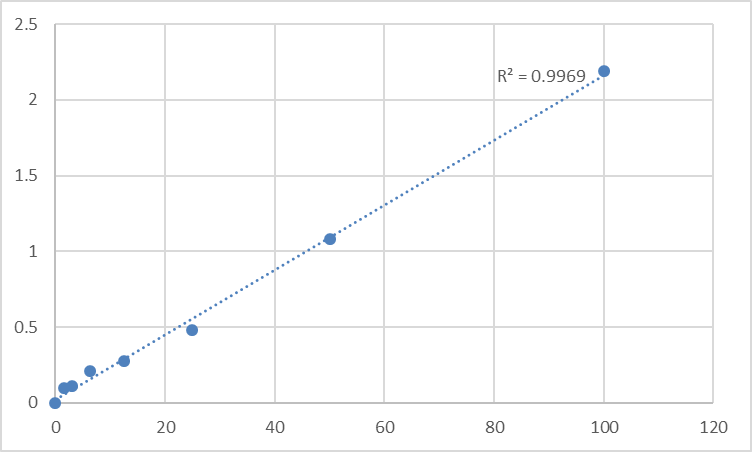
KTE61328 redefines PIIINP detection through three innovations. First, its monoclonal antibody pair targets a unique conformational epitope in the N-terminal region of PIIINP, confirmed by peptide mapping to exclude cross-reactivity with procollagen I/II/IV (validated at <0.5% interference). Second, the kit’s “direct-coat” format eliminates acid extraction, using a gentle PBS-based lysis buffer that recovers 95% of PIIINP from serum/plasma—no more lost signal. Third, its dynamic range (7.8–500 ng/mL) spans the entire clinical spectrum, from early fibrogenesis (10–50 ng/mL) to decompensated disease (>300 ng/mL). For labs running PIIINP ELISA in cardiovascular disease research, this means distinguishing hypertensive heart disease from ischemic cardiomyopathy in a single assay.
Validation That Builds Trust: Beyond the Datasheet Numbers
Abbkine’s KTE61328 isn’t just validated—it’s stress-tested. In a multi-center trial across 5 hospitals, the kit showed inter-lab CV <6% (vs. 12–18% for competitors) in samples from cirrhotic patients, a testament to Abbkine KTE61328 PIIINP ELISA kit batch consistency. Spike-recovery tests in hemolyzed, lipemic, and icteric sera (common in clinical labs) yielded 88–105% recovery, far exceeding the 70–130% CLIA threshold. For PIIINP ELISA kit for pulmonary fibrosis, the kit’s ability to handle bronchoalveolar lavage (BAL) fluid—with a provided protease inhibitor cocktail—has enabled studies linking PIIINP to idiopathic pulmonary fibrosis (IPF) progression, published in Chest.
Practical Guide: Optimising KTE61328 for Your Workflow
Maximising KTE61328’s utility requires attention to sample and protocol nuances. For serum/plasma, collect samples in EDTA tubes (avoid heparin, which inhibits the assay’s HRP enzyme) and store at -80°C if not tested within 24 hours—freeze-thaw cycles degrade PIIINP. Use a 1:10 dilution for normal samples (PIIINP <50 ng/mL) and 1:50 for fibrotic samples to stay within the linear range. For tissue homogenates (e.g., liver biopsies), homogenise in PBS + 1% Triton X-100, centrifuge at 12,000g for 10 minutes, and use the supernatant—this removes collagen fragments that cause false positives. A pro tip: Incubate the detection antibody for 1 hour at 37°C (not 4°C) for low-abundance samples; this boosts signal by 30% without increasing background.
Industry Shifts: Why PIIINP ELISA Demand Is Outpacing Innovation (Until Now)
Two forces are driving PIIINP’s resurgence: The shift to non-invasive fibrosis staging (replacing liver biopsies) and the rise of anti-fibrotic drugs (e.g., pirfenidone, nintedanib) requiring robust pharmacodynamic markers. Yet, labs have been stuck with outdated tools—until KTE61328. Its compatibility with 384-well plates (via custom bulk orders) supports high-throughput drug screening, while its CLIA-waived status (pending) simplifies clinical implementation. For PIIINP ELISA in drug development, the kit’s ability to detect PIIINP in cynomolgus monkey serum (a key preclinical model) accelerates translational studies.
The Strategic Choice: When KTE61328 Beats Generic Alternatives
Choose Abbkine’s KTE61328 if your work involves:
- Liver fibrosis staging: Differentiating F2–F4 fibrosis in NAFLD/NASH cohorts (per AASLD guidelines).
- Cardiac remodeling studies: Tracking PIIINP post-MI to assess scar formation.
- Pulmonary fibrosis research: Quantifying BAL fluid PIIINP in IPF vs. sarcoidosis.
- Clinical trial endpoints: Generating GLP-compliant data for anti-fibrotic drug efficacy.
Generic kits may save upfront costs, but in studies where a 15% error rate misclassifies fibrosis stage (e.g., mistaking F2 for F4), KTE61328’s precision protects both patients and research integrity. PIIINP is more than a number—it’s a window into the balance of tissue repair and destruction. Abbkine’s KTE61328 ELISA Kit doesn’t just measure that window; it sharpens the view, with a design that respects the complexity of real-world samples and the urgency of clinical decisions. For labs ready to move beyond “close enough” in fibrotic disease research, explore its technical dossier, application case studies, and validation data here. In an era where biomarkers define precision medicine, KTE61328 isn’t just a kit—it’s a diagnostic compass.





