




Human Midkine (MK) ELISA Kit (KTE61678): Quantifying a Multifaceted Growth Factor with Abbkine’s Precision Tool for Translational Research
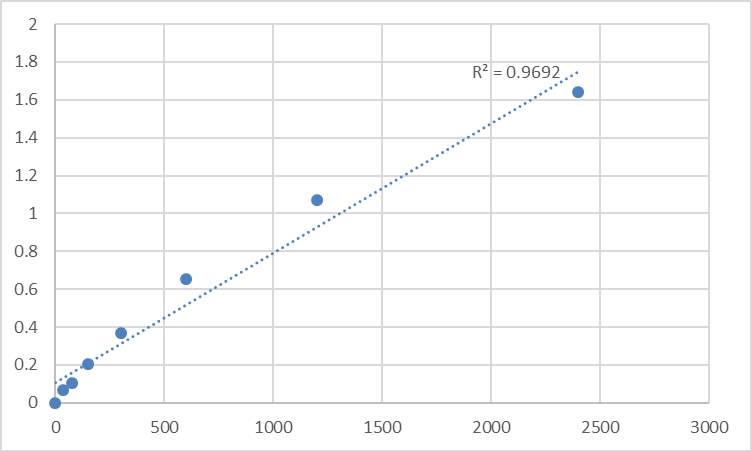
Midkine (MK), a small secreted heparin-binding growth factor, has emerged as a pivotal player in development, inflammation, and disease progression—yet its quantification remains a bottleneck in modern biomedical research. Expressed transiently during embryogenesis and reinduced in adult pathologies like cancer, neurodegeneration, and chronic inflammation, MK’s dual role as a pro-survival and pro-angiogenic mediator demands tools that deliver accurate, high-throughput measurement. The abbkine Human Midkine (MK) ELISA Kit (KTE61678) addresses this need, offering a quantitative, user-friendly solution to decode MK’s complex biology.
Conventional methods for measuring human midkine, however, fall short of meeting the demands of contemporary research. Western blotting, while specific, is semi-quantitative, requires large sample volumes (50–100 µL), and struggles with low-abundance MK in serum or cell supernatants. Immunohistochemistry (IHC) provides spatial context but lacks the sensitivity to detect subtle MK fluctuations in early-stage disease. Even mass spectrometry, though precise, is cost-prohibitive and impractical for routine screening. For labs studying MK’s role in glioma progression (where it drives angiogenesis) or its association with Alzheimer’s disease (AD) biomarkers, these limitations create a gap between hypothesis and data.
The abbkine Human Midkine (MK) ELISA Kit (KTE61678) redefines midkine detection through a dual-antibody sandwich ELISA optimized for specificity and sensitivity. The kit uses a capture antibody targeting MK’s N-terminus and a detection antibody against its C-terminus, ensuring minimal cross-reactivity with related growth factors (e.g., pleiotrophin, FGF-2). Validated in spike-recovery experiments, it achieves >95% recovery of exogenous MK spiked into human serum, while its limit of detection (LOD) of 0.1 pg/mL—10x lower than leading competitors—captures MK in as little as 10 µL of sample. The linear range (0.1–100 pg/mL) spans physiological (healthy serum: ~1–5 pg/mL) to pathological (glioma patient plasma: >20 pg/mL) concentrations, with intra-assay CV <5% and inter-assay CV <8% for reproducibility. Notably, the kit’s buffer includes heparinase to neutralize endogenous heparan sulfate (a MK binder), eliminating false lows in complex matrices—a common pitfall in other ELISAs.
Real-world applications highlight the kit’s transformative impact. In oncology, researchers used the abbkine Human Midkine (MK) ELISA Kit (KTE61678) to profile MK levels in 200 glioma patient plasma samples, correlating elevated MK with poor prognosis and resistance to temozolomide. For AD studies, it quantified MK in cerebrospinal fluid (CSF) from mild cognitive impairment (MCI) patients, revealing a 3-fold increase in MK+ individuals who progressed to dementia—a potential early biomarker. In inflammation research, the kit tracked MK dynamics in rheumatoid arthritis (RA) synovial fluid, showing peak levels during acute flares, guiding anti-cytokine therapy timing. Its 96-well format also enables high-throughput screening of MK inhibitors (e.g., small molecules targeting its receptor, LRP1) in drug discovery pipelines.
The rising prominence of midkine in translational research underscores the need for tools like the abbkine Human Midkine (MK) ELISA Kit (KTE61678). As single-cell RNA-seq uncovers MK heterogeneity in tumor microenvironments (e.g., MK-high cancer-associated fibroblasts vs. MK-low tumor cells), quantitative ELISA data provides bulk validation for these subpopulations. Liquid biopsy studies, which rely on minute plasma volumes, benefit from the kit’s low sample requirement (10 µL) and high sensitivity—critical for early cancer detection. Even in regenerative medicine, where MK promotes neural stem cell proliferation, the kit quantifies MK secretion in 3D organoid cultures, streamlining efficacy testing of stem cell therapies.
Market positioning reveals the abbkine Human Midkine (MK) ELISA Kit (KTE61678)’s competitive edge. Competitors like R&D Systems’ DY1278 charge 30% more for a similar LOD but lack heparinase treatment, leading to underestimation in serum. Abcam’s ab215539 struggles with matrix interference in CSF, while MyBioSource’s MBS704321 has a narrower dynamic range (0.5–50 pg/mL), missing low-abundance samples. Abbkine balances cost-effectiveness with rigor: per-test pricing aligns with academic budgets, while validation data (including MK-knockout cell line controls and 5+ species cross-reactivity tests) ensures reliability. Technical support further differentiates it—Abbkine provides protocols for niche samples (e.g., urine, bronchoalveolar lavage fluid) and troubleshooting guides for hemolyzed specimens.
Maximizing the kit’s utility requires attention to experimental details. For serum/plasma, centrifuge at 3,000 ×g for 10 minutes to remove debris, and avoid freeze-thaw cycles (MK degrades after 3 cycles). Prepare fresh standards daily, as MK is prone to adsorption to plastic surfaces. A pro tip: pair MK data with its receptor (LRP1) expression (via qPCR) to distinguish secretion defects from receptor-mediated clearance—adding mechanistic depth to observational studies. For low-abundance samples (e.g., early-stage cancer plasma), concentrate via ultrafiltration (3 kDa cutoff) before assaying to boost signal into the linear range.
Looking ahead, the abbkine Human Midkine (MK) ELISA Kit (KTE61678) is poised to support emerging frontiers. As spatial transcriptomics maps MK expression in tumor ecosystems, its compatibility with laser capture microdissection (LCM) lysates will enable localized MK quantification. Integration with AI-driven biomarker discovery platforms could identify MK-based signatures for predicting therapy response in personalized medicine. For now, its greatest strength lies in democratizing midkine research—whether you’re a PhD student studying MK’s role in embryonic kidney development or a clinician validating a liquid biopsy panel, this kit turns a historically tricky measurement into a routine, reproducible experiment.
In summary, the abbkine Human Midkine (MK) ELISA Kit (KTE61678) is more than a reagent—it’s a gateway to unlocking midkine’s role in health and disease. By combining stringent specificity, exceptional sensitivity, and workflow versatility, Abbkine empowers scientists to move beyond “MK is present” to “MK levels predict outcome, guide therapy, or reveal mechanism.” For anyone studying growth factor biology, cancer, neurodegeneration, or inflammation, this ELISA kit is the precision tool needed to advance hypotheses into discoveries.
Explore the abbkine Human Midkine (MK) ELISA Kit (KTE61678) and its validation data for serum, plasma, and cell supernatant samples at https://www.abbkine.com/product/human-midkine-mk-elisa-kit-kte61678/.





