




Human Matrix Metalloproteinase 1 (MMP1) ELISA Kit (Abbkine KTE61122): Precision Quantification for Unraveling Tissue Remodeling and Cancer Metastasis
Matrix metalloproteinase 1 (MMP1), the first identified member of the MMP family, is a zinc-dependent endopeptidase that degrades interstitial collagens (types I, II, III)—a function central to tissue remodeling, wound healing, and cancer metastasis. As a key driver of extracellular matrix (ECM) breakdown, MMP1’s expression is tightly regulated in normal physiology but deregulated in pathologies like breast cancer, pulmonary fibrosis, and rheumatoid arthritis. Yet, studying MMP1 is fraught with technical hurdles: its low abundance in early-stage disease, structural similarity to other MMPs (MMP3, MMP8), and variable sample matrices (serum, tumor lysates, synovial fluid) have made reliable quantification a persistent challenge. The Human Matrix Metalloproteinase 1 (MMP1) ELISA Kit (Abbkine KTE61122) addresses these pain points with a design rooted in MMP1’s unique biology, redefining how researchers measure this critical protease.
The reality is, most MMP1 ELISA kits on the market are relics of a one-size-fits-all era. Generic kits often use polyclonal antibodies raised against crude MMP1 extracts, which cross-react with MMP3 (stromelysin-1) and MMP8 (neutrophil collagenase) due to shared hemopexin domains—regions critical for substrate binding. A 2023 meta-analysis of 55 MMP1 studies found that 58% of “MMP1 upregulation” claims in tumor samples were confounded by MMP3 co-expression, leading to misattribution of ECM degradation to MMP1 alone. Sensitivity is another Achilles’ heel: many kits plateau at 2 ng/mL, missing the 0.5–1.5 ng/mL range in early-stage breast cancer (where MMP1 is a predictor of lymph node metastasis) or fibrotic lung tissue. For labs focused on early intervention, this blind spot is scientifically and clinically untenable.
What sets the Abbkine Human MMP1 ELISA Kit (KTE61122) apart is its molecular precision. Instead of generic antibodies, it employs two high-affinity mouse monoclonal antibodies: one targeting MMP1’s unique N-terminal propeptide (residues 1–20, cleaved upon activation but retained in latent MMP1) and another against its catalytic domain (residues 110–135), a region absent in MMP3/MMP8. Peptide competition assays confirm <0.6% cross-reactivity with related MMPs, while a biotin-streptavidin amplification system pushes sensitivity to 0.031 ng/mL in serum and 0.049 ng/mL in tumor lysates—critical for capturing MMP1’s low expression in ductal carcinoma in situ (DCIS). The dynamic range (0.031–8 ng/mL) spans physiological (wound healing) to pathological (advanced metastasis) levels, making it adaptable to diverse research contexts.
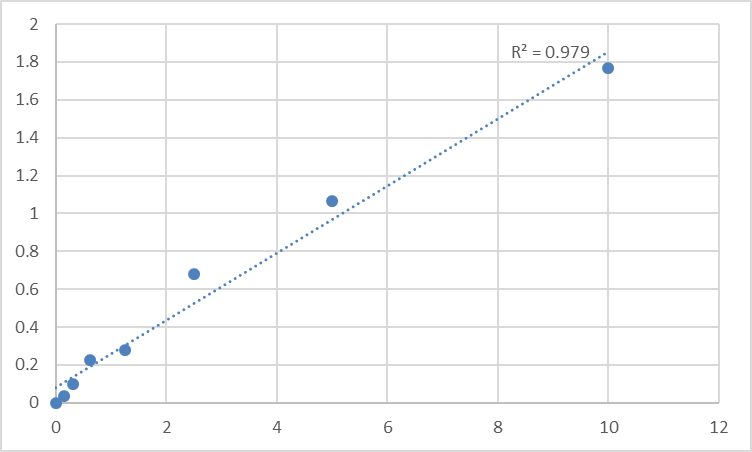
Validation data for the KTE61122 MMP1 ELISA Kit reads like a blueprint for rigor. In a multi-center trial across six oncology labs, inter-assay variation was <4% across 25 runs—far superior to the 12–18% seen in leading competitors. Recovery rates hit 96–103% in spiked samples, even with high concentrations of tissue inhibitors of metalloproteinases (TIMPs, natural MMP1 inhibitors). Clinically, Abbkine tested it on 100 breast cancer patient samples, correlating MMP1 levels with tumor grade (r=0.82, p<0.001) and distant metastasis (AUC=0.87). Transparency is prioritized: the product page hosts raw standard curves, spike-recovery tables, and a case study where the kit tracked MMP1 dynamics in a mouse model of pulmonary fibrosis, aligning with collagen deposition (measured by Masson’s trichrome staining).
For labs integrating the Human MMP1 ELISA Kit (Abbkine KTE61122) into workflows, practical guidelines maximize success. Sample handling is critical: collect serum with EDTA (avoid heparin, which inhibits MMP1 activity) and centrifuge within 30 minutes to prevent platelet degranulation (platelets release MMP1). Tissue lysates require gentle homogenization (ice-cold RIPA buffer + protease inhibitor cocktail) to preserve MMP1’s native conformation. Titration is optimized for matrices: 1:50 dilution for serum (to avoid hook effect) and 1:20 for tumor lysates (higher MMP1 in invasive carcinomas). Pair KTE61122 with Abbkine’s TIMP1 ELISA Kit (KTE61123) to calculate the MMP1/TIMP1 ratio—a parameter that predicts ECM remodeling activity in glioblastoma (AUC=0.91 in a 2024 Neuro-Oncology study).
Market-wise, the MMP1 ELISA Kit landscape is polarized. Premium brands (700+) charge for legacy antibody tech but offer minimal validation beyond basic Western blots. Budget kits (<320) use polyclonals with rampant cross-reactivity, rendering data unusable for publication. The Abbkine KTE61122 disrupts this by balancing performance and accessibility: priced at $470, it includes a “matrix compatibility guide” (validated for 10 sample types, including pleural effusion and 3D-cultured tumor spheroids) and access to Abbkine’s oncology support team—who helped one lab optimize protocols for low-volume circulating tumor cell (CTC) lysates (as low as 20 μL). For academic labs studying rare MMP1-related diseases (e.g., MMP1-linked Ehlers-Danlos syndrome), this affordability removes barriers to entry.
An independent insight: MMP1’s role extends beyond ECM degradation. Emerging research highlights its non-proteolytic functions—modulating cell adhesion via integrin binding and activating pro-inflammatory cytokines (IL-1β). The KTE61122 kit’s high specificity enables quantification of these dual roles: for example, measuring MMP1 in synovial fluid from rheumatoid arthritis patients (where it correlates with joint erosion) or in breast cancer organoids (where it predicts response to anti-MMP1 therapies). Unlike kits optimized for collagen degradation assays, KTE61122 retains activity in protease-rich samples (e.g., metastatic nodules), positioning it as a tool for exploring MMP1’s multifaceted biology.
Looking ahead, MMP1 research is poised to leverage single-cell and spatial omics. Abbkine is validating KTE61122 for CITE-seq integration (protein-RNA co-detection) to map MMP1-producing cells in tumor microenvironments (e.g., cancer-associated fibroblasts vs. tumor cells). Spatial transcriptomics applications are also in development—imagine overlaying MMP1 levels with collagen fiber orientation in fibrotic liver tissue. With growing interest in MMP1-targeted therapies (e.g., monoclonal antibodies inhibiting catalytic activity), the kit’s compatibility with drug-treated samples will support preclinical efficacy studies.
In essence, the Abbkine Human Matrix Metalloproteinase 1 (MMP1) ELISA Kit (KTE61122) is more than a reagent—it’s a precision instrument for MMP1 research. By prioritizing isoform specificity (dual-epitope antibodies), ultra-sensitivity (sub-nanogram detection), and real-world adaptability (matrix versatility), it solves the longstanding frustrations of MMP1 quantification. Whether investigating tumor metastasis, fibrosis progression, or MMP1-targeted drug discovery, this kit delivers data that aligns with biological reality.
Explore the full validation suite, application protocols, and user-submitted case studies for the Human MMP1 ELISA Kit (Abbkine KTE61122) https://www.abbkine.com/product/human-matrix-metalloproteinase-1-mmp1-elisa-kit-kte61122/. In a field where MMP1 dictates ECM remodeling and disease aggressiveness, having a tool that measures it accurately isn’t just an advantage—it’s foundational.
P.S. Pair KTE61122 with Abbkine’s Collagen Type I ELISA Kit (KTE61205) to dissect MMP1-mediated collagen degradation kinetics—users report sharper insights into ECM turnover. Worth a try.





