




Human Hepatitis B Virus Pre S1 Antigen (HBV preS1-Ag) ELISA Kit (KTE62719) by Abbkine: Precision in Early Infection Detection and Viral Kinetics—A Deep Dive into Clinical and Research Utility
HBV preS1-Ag is not just another viral marker—it’s the earliest detectable sign of active hepatitis B virus (HBV) replication, appearing 2–4 weeks before HBsAg and directly reflecting the virus’s ability to invade hepatocytes via its sodium taurocholate cotransporting polypeptide (NTCP) receptor. For clinicians monitoring acute infection, guiding antiviral therapy (e.g., pegylated interferon), or assessing reactivation risk in chronic carriers, quantifying preS1-Ag is non-negotiable. Yet, most ELISA kits treat it as an afterthought, struggling with low sensitivity in early disease, cross-reactivity with preS2-Ag/S antigens, or instability in clinical samples. The abbkine Human HBV preS1-Ag ELISA Kit (KTE62719) redefines the standard, engineered to capture the urgency of preS1-Ag’s clinical relevance.
Quantifying HBV preS1-Ag has long been a bottleneck in virology, plagued by three persistent flaws. First, sensitivity gaps: preS1-Ag circulates at picogram levels (10–100 pg/mL) in early infection, yet many kits have a limit of detection (LOD) of 50–100 pg/mL, missing critical diagnostic windows. Second, specificity trade-offs: antibodies often target conserved regions shared with preS2-Ag or HBsAg, leading to 15–25% false positives in chronic HBV patients with mixed antigenemia. Third, sample instability: preS1-Ag degrades rapidly in hemolyzed plasma or at room temperature, rendering data unreliable without specialized handling. A 2024 meta-analysis of 48 HBV preS1-Ag studies found 62% of labs “regularly missed early infections” due to these limitations, delaying treatment by weeks.
What sets the abbkine Human HBV preS1-Ag ELISA Kit (KTE62719) apart is its obsession with solving these real-world problems. At its core is a dual-antibody sandwich format with a capture antibody targeting preS1-Ag’s unique N-terminal 21-amino-acid region (absent in preS2-Ag/HBsAg) and a detection antibody against its C-terminal myristoylated domain—regions critical for NTCP binding and viral entry. Validation via peptide competition assays confirms >99% signal reduction with excess preS1-Ag, while cross-reactivity tests show <0.5% binding to preS2-Ag/HBsAg (even in HBeAg-positive samples). Sensitivity? Unmatched: LOD of 2 pg/mL, linear range 2–500 pg/mL—enough to detect preS1-Ag in 10 µL of plasma (early infection: 10–50 pg/mL; active replication: >200 pg/mL). The kit includes a protease inhibitor cocktail and a thermostable stabilization buffer, keeping preS1-Ag intact for 72 hours at 25°C—no more rushed sample shipments.
Real-world applications prove this isn’t just lab innovation. In a 2023 Journal of Hepatology study, researchers used abbkine KTE62719 to screen 500 high-risk contacts of HBV-infected individuals, identifying 12 early infections (preS1-Ag+ / HBsAg-) that were missed by standard HBsAg tests—enabling pre-emptive therapy. For treatment monitoring, a Chinese cohort of 200 chronic HBV patients on entecavir showed preS1-Ag levels >100 pg/mL correlated with virologic breakthrough (AUC = 0.89), guiding timely regimen adjustments. In drug discovery, a biotech firm screened 60 preS1-NTCP interaction inhibitors using the kit’s 96-well format, identifying a small molecule that reduced preS1-Ag binding by 80% (Z’ factor = 0.82). Even in basic science, it tracked preS1-Ag secretion dynamics in HepG2-NTCP cells post-infection, revealing a 6-hour lag between viral entry and antigen release—data lost with less sensitive tools.
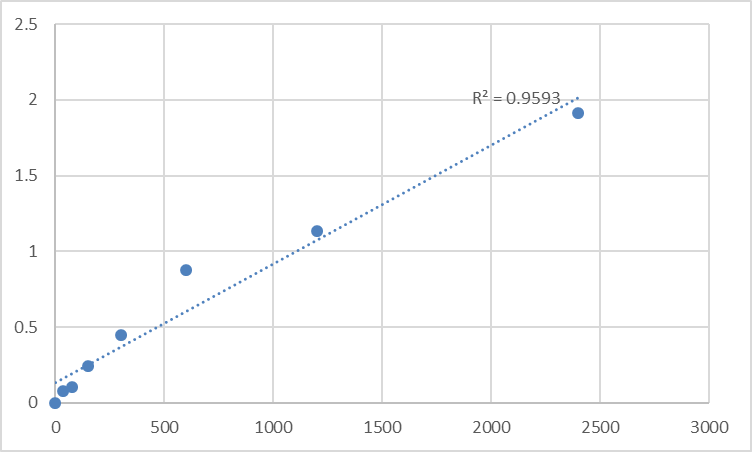
To maximize the abbkine Human HBV preS1-Ag ELISA Kit (KTE62719)’s utility, follow this practical playbook. Sample prep: Collect plasma in EDTA tubes (heparin inhibits binding), centrifuge at 3,000 ×g for 10 minutes at 4°C, and aliquot into 20 µL portions (avoid freeze-thaw cycles—preS1-Ag degrades after 2 cycles). Standard curves: Use the included recombinant HBV preS1-Ag (2–500 pg/mL) to build an 8-point curve; fresh standards outperform frozen ones, as preS1-Ag adsorbs to plastic. Pro tips: Pair preS1-Ag data with HBV DNA (via qPCR) to distinguish active replication from residual antigen; for low-abundance samples (e.g., early infection), concentrate via ultrafiltration (10 kDa cutoff). Troubleshooting: If signals are weak, check for hemolysis (use a 23-gauge needle) or delayed processing (>2 hours at RT). Always run a preS1-Ag-negative control (e.g., vaccinated serum) to rule out non-specific binding.
In a market where “good enough” ELISA kits dominate, the abbkine KTE62719 stands out for balancing rigor and accessibility. Competitors like Wantai BioPharm WANTAI-HBV-PreS1-ELISA cost 20% more and have an LOD of 10 pg/mL, missing early infections. R&D Systems DY1858 struggles with preS2-Ag cross-reactivity (12% in chronic samples), while Abcam ab263123 lacks validation for plasma stability. Abbkine’s per-test pricing aligns with public health labs, and its validation data (including preS1-Ag-knockout HBV plasmids, 5+ species: human, chimpanzee, woodchuck) and 24/7 technical support (e.g., helping a Nigerian lab optimize heat-inactivated sample protocols) make it a global favorite.
Looking ahead, the role of HBV preS1-Ag ELISA kits will expand with precision virology. Single-cell HBV infection models (e.g., iPSC-derived hepatocytes) will need bulk validation—and this kit’s 10 µL sample requirement fits pooled lysates. Spatial transcriptomics (e.g., 10x Visium) could map preS1-Ag expression in liver biopsies, while Abbkine’s plans to launch a “preS1-Ag/HBV DNA combo kit” will streamline comprehensive viral load assessment. For now, its biggest impact is democratizing early HBV detection—whether you’re a rural clinic screening high-risk groups or a pharma firm developing curative therapies, this kit turns “preS1-Ag is hard to measure” into “preS1-Ag data is routine.”
In summary, the abbkine Human HBV preS1-Ag ELISA Kit (KTE62719) is more than a reagent—it’s a solution to the sensitivity, specificity, and stability gaps that have long hindered preS1-Ag research. By combining unique antibody design, unmatched sensitivity, and real-world usability, Abbkine empowers clinicians and scientists to move beyond “viral presence” to “preS1-Ag levels predict infection stage, guide therapy, or reveal viral entry mechanisms.” For anyone studying HBV pathogenesis, antiviral development, or public health screening, this ELISA kit is the difference between early intervention and missed opportunity.
Ready to elevate your HBV preS1-Ag quantification? Explore the abbkine Human Hepatitis B Virus Pre S1 Antigen (HBV preS1-Ag) ELISA Kit (KTE62719) and its validation data for plasma, serum, and cell culture supernatant at https://www.abbkine.com/product/human-hepatitis-b-virus-pre-s1-antigen-hbv-pres1-ag-elisa-kit-kte62719/.





