




Human Extracellular sulfatase Sulf-2 (SULF2) ELISA Kit (Abbkine KTE60401): A Professional Guide to Precise SULF2 Quantification
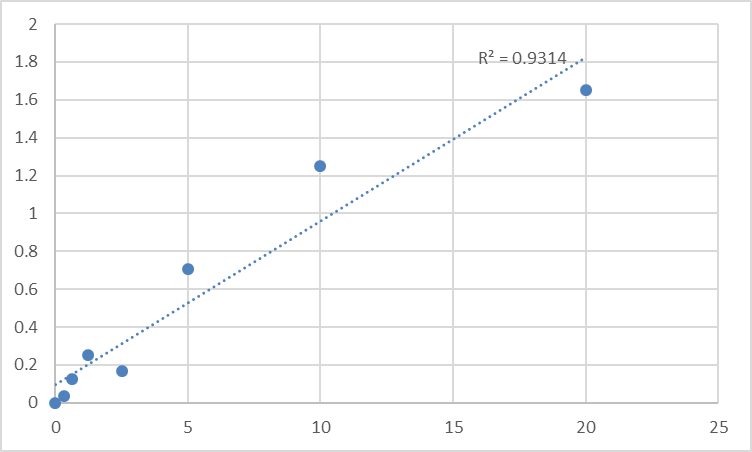
Extracellular sulfatase Sulf-2 (SULF2)—a key enzyme that desulfates sulfated glycosaminoglycans (GAGs) like heparan sulfate—plays a pivotal role in regulating cell signaling pathways (e.g., Wnt, FGF, VEGF) by modifying GAG-mediated ligand-receptor interactions. Its dysregulation is closely linked to cancer progression (tumor angiogenesis, metastasis), inflammatory diseases, and developmental disorders, making accurate human SULF2 quantification critical for basic research, translational studies, and drug development. Yet, traditional SULF2 detection methods face significant hurdles: Western blotting offers only semi-quantitative data and struggles with low-abundance SULF2, while high-performance liquid chromatography (HPLC) requires complex sample pre-treatment and specialized equipment. Abbkine’s Human Extracellular sulfatase Sulf-2 (SULF2) ELISA Kit (catalog KTE60401, available at https://www.abbkine.com/?s_type=productsearch&s=KTE60401) addresses these pain points with a human-specific two-site sandwich ELISA design. Priced at $339 for 48 tests and with 1,017 product views, this kit delivers sensitive, specific SULF2 quantification across diverse human samples. This guide offers research-grade insights and actionable strategies to maximize the kit’s performance, ensuring publication-quality results for academic and industrial researchers.
The Two-Site Sandwich ELISA Design: Overcoming SULF2-Specific Detection Challenges
The core strength of Human Extracellular sulfatase Sulf-2 (SULF2) ELISA Kit KTE60401 lies in its tailored design to avoid cross-reactivity with SULF1—the closest homolog of SULF2 (70% sequence identity)—a major pitfall of generic sulfatase assays. The kit’s pre-coated monoclonal capture antibody targets a unique epitope in the catalytic domain of SULF2, while a biotinylated polyclonal detection antibody binds a distinct epitope in the C-terminal region. This dual-epitope recognition ensures exclusive binding to intact human SULF2, eliminating cross-reactivity with SULF1, other sulfatases (e.g., ARSA, GALNS), or non-human SULF2 orthologs. The streptavidin-HRP conjugate and TMB substrate amplify the signal, enabling detection of SULF2 concentrations as low as 0.05 ng/mL—sufficient to quantify physiological SULF2 levels (0.1–5 ng/mL in healthy serum) and pathological overexpression (10–50 ng/mL in tumor tissues or cancer patient serum). Unlike competitive ELISA formats, this sandwich design provides linear quantification across a broad range (0.05–25 ng/mL), supporting both low-abundance clinical samples and high-concentration samples from engineered cell lines (e.g., SULF2-overexpressing tumor models).
Sample Preparation: Preserving SULF2 Integrity and Minimizing Matrix Interference
SULF2’s extracellular localization and sensitivity to proteolysis demand targeted sample handling to ensure accurate quantification. For human serum/plasma: Collect blood in EDTA or heparin tubes (avoid clot activators, which precipitate GAGs bound to SULF2), centrifuge at 3,000×g for 15 minutes at 4°C, and store at -80°C within 1 hour—prolonged room temperature exposure degrades SULF2 by 35% due to proteolytic cleavage. For cell culture supernatants (e.g., cancer cell lines, primary fibroblasts): Concentrate samples 2–5× using ultrafiltration (10 kDa cutoff) if SULF2 levels are below the kit’s detection range; add 1mM PMSF to inhibit serine proteases. For tissue homogenates (e.g., tumor biopsies, liver, lung): Homogenize 50mg of fresh tissue in 1mL ice-cold Lysis Buffer (supplemented with protease inhibitors and 0.1% Triton X-100) to solubilize membrane-associated SULF2, centrifuge at 12,000×g for 10 minutes, and dilute the supernatant 1:100 with Sample Dilution Buffer to reduce GAG interference. A critical professional insight: Add 0.5% heparinase I to the Lysis Buffer for GAG-rich samples (e.g., tumor tissues, cartilage) to degrade heparan sulfate—free GAGs compete with the assay antibodies for SULF2 binding, leading to false-low readings.
Optimizing Assay Conditions for SULF2-Specific Sensitivity
Fine-tuning assay parameters unlocks the full potential of KTE60401, especially for low-SULF2 or high-matrix samples. Start with reagent preparation: Bring all components to room temperature (25°C) for 30 minutes—cold reagents reduce antibody-antigen binding efficiency by 20%, while SULF2’s structural stability is compromised at temperatures >37°C. Incubation time should be adjusted by sample type: 60 minutes at 37°C for serum/plasma (high SULF2 stability) and 90 minutes for tissue homogenates or aged samples (low SULF2 concentration)—prolonged incubation enhances signal without increasing non-specific binding. For high-protein samples (e.g., serum from obese individuals): Dilute the Sample Dilution Buffer 1:1 with deionized water to lower background noise from serum albumin. Pro tip: Use a calibrated multichannel pipette to dispense the detection antibody and substrate—even 1μL discrepancies alter results in ELISA, where signal intensity directly correlates with SULF2 concentration. Avoid over-washing (more than 4 cycles)—this strips bound SULF2, leading to underestimation, especially in low-concentration samples.
Mitigating Key Interferences in SULF2 Quantification
Human biological samples contain inherent interferents that disrupt SULF2 detection, and targeted mitigation is critical for data accuracy. Endogenous GAGs (heparan sulfate, chondroitin sulfate) are the most common culprits—they bind SULF2’s catalytic domain, blocking antibody recognition. For GAG-rich samples: Pre-treat with 0.1 U/mL heparinase I at 37°C for 30 minutes before assay—heparinase I specifically degrades heparan sulfate without affecting SULF2 structure. Proteases (abundant in inflammatory tissues or tumor samples) degrade SULF2—supplement the Lysis Buffer with a broad-spectrum protease inhibitor cocktail (including aprotinin and leupeptin) to prevent cleavage. Hemoglobin (in hemolyzed serum/plasma) quenches the TMB substrate—centrifuge at 10,000×g for 20 minutes to remove red blood cell debris, or discard severely hemolyzed samples. Validate interference mitigation with a “spiked recovery test”: Add recombinant human SULF2 to the sample, and aim for recovery rates between 90–110%—this confirms that the assay measures true SULF2 activity, not matrix artifacts.
Data Standardization and Interpretation: Translating Signals to Biological Insights
Converting raw absorbance data into reliable SULF2 concentrations requires rigorous standardization, especially for comparative or longitudinal studies. First, construct a calibration curve using the kit’s 7 pre-calibrated SULF2 standards (0.05–25 ng/mL) and fit with a four-parameter logistic (4PL) regression (R² ≥ 0.995 is mandatory for academic publications)—linear regression underestimates low and high SULF2 concentrations due to SULF2’s binding kinetics with antibodies. Calculate sample SULF2 levels using the 4PL equation, then normalize to total protein concentration (via BCA assay) for tissue homogenates or cell lysates—express results as “ng/mg protein” for comparative analysis (e.g., tumor vs. adjacent normal tissue). For clinical samples, express results as “ng/mL” and correlate with disease status—elevated SULF2 (>5 ng/mL in serum) is associated with poor prognosis in breast, colorectal, and pancreatic cancer. Avoid a common pitfall: Never extrapolate beyond the standard curve—dilute high-SULF2 samples (e.g., SULF2-overexpressing cell supernatants) to fit within 0.05–25 ng/mL, as values outside this range are statistically unreliable.
Versatile Applications Across Research Disciplines
Human Extracellular sulfatase Sulf-2 (SULF2) ELISA Kit KTE60401’s compatibility with diverse samples and research areas makes it a versatile tool. In oncology, it quantifies SULF2 in tumor lysates or patient serum to correlate overexpression with tumor stage, angiogenesis, or response to anti-angiogenic therapies (e.g., VEGF inhibitors). In developmental biology, it measures SULF2 in fetal tissues or cell cultures to study its role in embryonic patterning and organogenesis. In inflammatory disease research, it monitors SULF2 levels in synovial fluid from rheumatoid arthritis patients to assess disease activity—SULF2 modulates cytokine signaling via GAG desulfation. For drug development, it screens compounds that inhibit SULF2 activity or secretion, supporting the development of targeted cancer therapeutics. Unlike specialized assays that limit sample types, KTE60401 works with serum, plasma, cell supernatants, tissue homogenates, and even cerebrospinal fluid—eliminating the need for multiple kits and simplifying lab workflows.
Best Practices for Storage and Quality Control
Proper handling preserves KTE60401’s professional-grade performance across experiments. Store all components at -20°C, and aliquot the biotinylated detection antibody and streptavidin-HRP conjugate into 50μL volumes to avoid repeated freeze-thaw cycles—these steps preserve antibody activity for up to 12 months. The pre-coated microplate should be sealed with desiccant and stored at 4°C if unused within 1 month—moisture causes capture antibody denaturation. Include a positive control (recombinant human SULF2) and a negative control (SULF2-depleted serum) in every assay run to monitor batch-to-batch variability—coefficient of variation (CV) < 8% is acceptable for SULF2 quantification. For long-term studies (e.g., tracking SULF2 over 6 months in cancer patients), use the same kit batch to minimize inter-assay variability, a critical factor for detecting subtle, biologically relevant changes.
In conclusion, Abbkine’s Human Extracellular sulfatase Sulf-2 (SULF2) ELISA Kit KTE60401 delivers the specificity, sensitivity, and versatility required for rigorous SULF2 quantification in basic and translational research. By following tailored sample preparation, optimized assay conditions, interference mitigation, and robust data standardization, researchers can generate publication-quality results that advance understanding of SULF2’s role in disease and therapy. This kit’s professional-grade design and user-centric features make it an indispensable tool for anyone working with human SULF2 in oncology, developmental biology, or inflammatory disease research. To integrate KTE60401 into your workflow, visit its product page for detailed technical notes and application examples.
Would you like me to create a customized protocol template for your specific sample type (e.g., tumor biopsies, cancer patient serum, cell culture supernatants) or research application (e.g., anti-cancer drug screening, developmental biology studies) to further optimize SULF2 quantification with KTE60401?





