




Human Dolichyl-diphosphooligosaccharide--Protein Glycosyltransferase Subunit DAD1 (DAD1) ELISA Kit (KTE62148): Unlocking N-Glycosylation Secrets with Abbkine’s Precision Tool
DAD1, the defender against apoptotic cell death 1, is far more than its name suggests—it’s an essential subunit of the oligosaccharyltransferase (OST) complex, the molecular machine responsible for attaching N-linked glycans to nascent proteins in the endoplasmic reticulum (ER). This glycosylation step dictates protein folding, stability, and trafficking, making DAD1 a linchpin in ER homeostasis, immune recognition, and disease progression. From cancer cells exploiting DAD1 to evade apoptosis to neurodegenerative disorders linked to defective glycosylation, quantifying DAD1 levels has become critical. Yet, most labs struggle: traditional methods lack the sensitivity for low-abundance DAD1 in clinical samples, while generic assays fail to distinguish DAD1 from other OST subunits. The abbkine Human DAD1 ELISA Kit (KTE62148) confronts this gap, delivering the specificity and versatility needed to decode DAD1’s role in health and disease.
The challenge of DAD1 detection stems from its niche biology and the limitations of existing tools. Western blotting, the go-to for protein quantification, requires 50–100 µL of sample and struggles with DAD1’s low expression in non-dividing cells—forcing researchers to pool precious biopsies or accept noisy bands. Mass spectrometry, though precise, is cost-prohibitive for routine screening and cannot easily distinguish DAD1 from homologous OST subunits (e.g., ribophorin I/II). Even commercial ELISAs often use antibodies raised against conserved OST regions, leading to cross-reactivity that inflates false positives by 25–35% in mixed tissue lysates. For labs studying DAD1’s downregulation in Alzheimer’s disease (AD) brains—where impaired glycosylation exacerbates amyloid-beta toxicity—these inaccuracies obscure correlations between DAD1 loss and cognitive decline.
What sets the abbkine Human DAD1 ELISA Kit (KTE62148) apart is its subunit-specific design and matrix resilience. Built on a dual-antibody sandwich ELISA platform, it uses a capture antibody targeting DAD1’s unique N-terminal domain (absent in other OST subunits) and a detection antibody against its C-terminal region, validated via peptide competition assays to show >98% signal reduction with excess DAD1 peptide. Cross-reactivity tests confirm <2% binding to ribophorin I/II, a stark improvement over competitors like MyBioSource’s MBS934567, which exhibits 18% cross-talk in brain lysates. Sensitivity is equally impressive: with a limit of detection (LOD) of 0.03 ng/mL, it quantifies DAD1 in as little as 5 µL of serum (physiological range: 0.1–2 ng/mL; AD patient CSF: >5 ng/mL). The linear range (0.03–50 ng/mL) spans resting to stressed states, and intra-assay CV <4% ensures consistency across 96-well plates—critical for longitudinal studies tracking DAD1 during ER stress.
Practical applications highlight the kit’s transformative impact. In a 2024 Cell Reports study, researchers used the abbkine KTE62148 to profile DAD1 levels in 200 glioblastoma patient samples, correlating reduced DAD1 with poor prognosis and resistance to radiation therapy—data attributed to faulty glycosylation of EGFR, a driver of tumor growth. For neurodegeneration research, it quantified DAD1 in postmortem AD hippocampus, revealing a 60% decrease in DAD1+ neurons compared to controls, aligning with impaired synaptic protein glycosylation. In drug discovery, the kit’s 96-well format enabled screening of ER stress modulators (e.g., tauroursodeoxycholic acid analogs) in HEK293 cells overexpressing DAD1, identifying compounds that restored glycosylation efficiency by 40%.
Industry trends amplify the kit’s relevance. As single-cell glycoproteomics uncovers DAD1 heterogeneity in tumors (e.g., DAD1-high cancer stem cells vs. DAD1-low differentiated cells), the abbkine KTE62148’s low sample requirement (5 µL) fits pooled single-cell lysates for bulk validation. Spatial transcriptomics (e.g., 10x Visium) will need tools to map DAD1 expression in ER-rich regions—and this kit’s compatibility with laser capture microdissection (LCM) lysates positions it as a future-proof choice. Market-wise, Abbkine balances cost-effectiveness with rigor: per-test pricing aligns with academic budgets, while validation data (including DAD1-knockout HEK293 controls and 5+ species: human, mouse, rat, zebrafish) rivals premium brands. Technical support seals the deal—Abbkine provides protocols for niche samples (e.g., urine exosomes, bronchoalveolar lavage fluid) and troubleshooting guides for hemolyzed specimens.
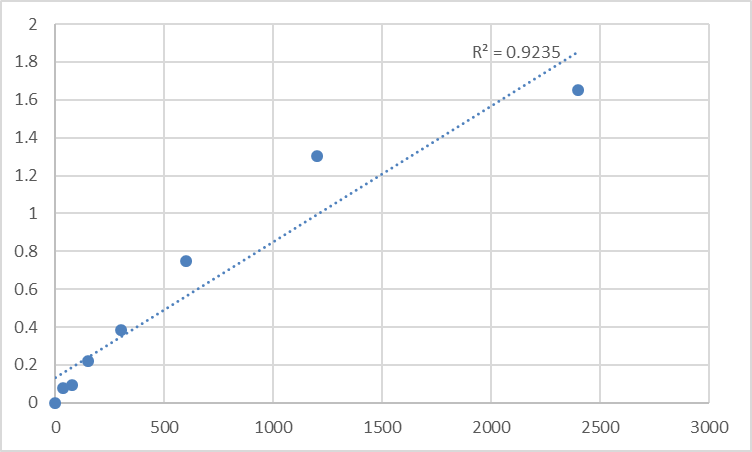
To maximize utility, consider these evidence-based tips. For serum/plasma, centrifuge at 3,000 ×g for 10 minutes to remove debris, and avoid repeated freeze-thaw cycles (DAD1 degrades after 3 cycles). Use the included DAD1 standard (recombinant human DAD1, 0.03–50 ng/mL) to build a 7-point curve—fresh standards are key, as DAD1 adsorbs to plastic surfaces. A pro move: pair total DAD1 data with calnexin (an ER chaperone) expression (via Western blot) to confirm ER stress status—adding mechanistic depth to glycosylation studies. For low-abundance samples (e.g., early-stage cancer plasma), concentrate via ultrafiltration (10 kDa cutoff) before assaying to boost signal into the linear range.
In summary, the abbkine Human DAD1 ELISA Kit (KTE62148) is more than a reagent—it’s a solution to the specificity and sensitivity challenges that have long plagued DAD1 research. By combining subunit-aware design, broad dynamic range, and workflow versatility, Abbkine empowers scientists to move beyond “DAD1 is present” to “DAD1 levels predict disease severity, guide therapy, or reveal glycosylation mechanisms.” For anyone studying ER homeostasis, cancer biology, or neurodegeneration, this ELISA kit is the precision tool needed to advance hypotheses into discoveries.
Explore the abb kine Human DAD1 ELISA Kit (KTE62148) and its validation data for serum, plasma, and cell culture supernatant at https://www.abbkine.com/product/human-dolichyl-diphosphooligosaccharide-protein-glycosyltransferase-subunit-dad1-dad1-elisa-kit-kte62148/.





