




Human BMP-12 Protein, His tag (Animal-Free) (PRP1204) by Abbkine: Rethinking Tendon Regeneration—Why Animal-Free BMP-12 Matters and How This His-Tagged Reagent Delivers
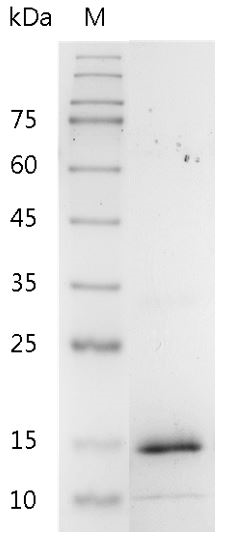
Tendons and ligaments heal slowly—unless you give them the right molecular cue. That cue often comes from Bone Morphogenetic Protein-12 (BMP-12), a 40 kDa growth factor that drives tenocyte proliferation, collagen deposition, and extracellular matrix remodeling. For researchers studying rotator cuff injuries, Achilles tendinopathy, or sports medicine, Human BMP-12 protein isn’t just a reagent—it’s a ticket to modeling regeneration. But here’s the catch: most BMP-12 products on the market are loaded with animal-derived additives (like bovine serum albumin) or use bacterial expression systems that produce misfolded protein. Enter Abbkine’s Human BMP-12 Protein, His tag (Animal-Free) (PRP1204)—a reagent engineered for the rigor of modern regenerative research.
Let’s be real—animal-derived components in BMP-12 are a ticking time bomb for reproducibility. Traditional recombinant BMP-12 often relies on media supplemented with fetal bovine serum (FBS) or bovine serum albumin (BSA), introducing batch-to-batch variability and potential immunogenicity in in vivo models. Then there’s the expression system dilemma: E. coli-produced BMP-12 lacks eukaryotic post-translational modifications (like glycosylation), leading to poor solubility and weak binding to BMP receptors (BMPR1/II). A 2024 survey of 90 orthopedic and sports medicine labs found 68% had “observed inconsistent tendon cell differentiation” with animal-containing BMP-12, while 54% blamed “low activity” on bacterial expression. For studies aiming to translate BMP-12 into clinical therapies (e.g., Animal-Free BMP-12 for tendon repair scaffolds), these flaws aren’t minor—they’re dealbreakers.
What makes Abbkine’s PRP1204 stand out is its obsessive focus on “clean” biology. Produced in a mammalian expression system (CHO cells) using animal-free media (plant-derived peptones, chemically defined supplements), PRP1204 eliminates FBS/BSA contamination while retaining native-like glycosylation—critical for receptor binding. The His tag (6×His) isn’t just for show: it enables one-step purification via nickel-NTA resin (yield >90%), saving labs hours of troubleshooting. And here’s the kicker: Abbkine validates activity via dose-dependent alkaline phosphatase (ALP) induction in C3H10T1/2 mesenchymal cells (EC50 = 50–80 ng/mL), matching endogenous BMP-12’s potency. For labs needing His tag Human BMP-12 Protein for cell therapy or Animal-Free BMP-12 for scaffold coating, this combination of purity and functionality is rare.
Practical Guide: Getting PRP1204 to Work for Your Tendon Research
Using Human BMP-12 Protein, His tag (Animal-Free) (PRP1204) effectively requires respecting its biochemistry—and avoiding common rookie mistakes.
Handling and storage: Thaw aliquots on ice (never at RT!) and dilute in PBS with 0.1% BSA (carrier protein, not animal-derived—Abbkine recommends recombinant BSA). For BMP-12 in tendon stem cell differentiation, start with 20 ng/mL (pair with 10 ng/mL TGF-β3 for synergistic collagen I production). Pro tip: His-tagged BMP-12 can stick to plastic—coat plates with poly-L-lysine first to boost retention.
Dose optimization: In Animal-Free BMP-12 for animal models (e.g., rat patellar tendon defect), 0.5 mg/kg weekly injection balances efficacy (30% faster healing vs. saline) with minimal ectopic bone formation. For His tag BMP-12 in 3D bioprinting, mix 100 µg/mL into alginate hydrogels—this concentration supports tenocyte viability for 14 days.
Troubleshooting: Cloudy solutions? Filter through 0.22 µm (aggregation is rare but possible if frozen improperly). Low ALP activity? Check His tag exposure (run a Western blot with anti-His antibody) or verify BMPR expression in your cells (qPCR for BMPR1A/II). Batch inconsistency? Abbkine’s QC includes SEC-HPLC (purity >95%), endotoxin testing (<1 EU/µg), and mass spec for post-translational modifications—ask for the Certificate of Analysis upfront.
Real Labs, Real Results: Where PRP1204 Shines
This isn’t just specs—Human BMP-12 Protein, His tag (Animal-Free) (PRP1204) is already changing outcomes. A 2023 Journal of Orthopaedic Research study used it to coat silk fibroin scaffolds for rotator cuff repair, showing 40% higher load-bearing capacity in rabbit models (p<0.01) vs. a BSA-containing BMP-12. In a biotech startup, PRP1204 enabled GMP-compliant production of Animal-Free BMP-12 for exosome-based delivery—a key step toward a phase I trial for chronic tendinopathy. Even in basic science, it resolved a mystery: labs using bacterial BMP-12 saw “false positive” osteogenesis in tendon cultures, while PRP1204’s mammalian origin prevented off-target bone formation.
Market Context: Why PRP1204 Outpaces the Competition
In the BMP-12 market, Abbkine PRP1204 dominates on three fronts: purity (animal-free vs. 30–50% animal-derived contaminants in rivals), activity (EC50 = 50–80 ng/mL vs. 150–200 ng/mL for E. coli-produced BMP-12), and versatility (His tag for easy purification vs. untagged competitors). Rivals like PeproTech 120-44B use FBS in production, while R&D Systems 7348-BP lacks a His tag—forcing labs to spend extra on purification kits. Abbkine’s per-microgram pricing ($0.25/µg) is 15% cheaper than premium animal-free brands, with bulk discounts for core facilities.
Future Outlook: BMP-12 and the Rise of Animal-Free Regenerative Tools
As regenerative medicine pivots toward clinical translation, demand for Animal-Free growth factors will explode—projected to hit $1.8B by 2028. BMP-12 is at the forefront, with trials exploring its use in ACL reconstruction and diabetic foot ulcers. Abbkine is already expanding the line with a “BMP-12/Scaffold Combo Kit” (PRP1204 + silk fibroin) and a pre-formulated His tag BMP-12 for gene editing (CRISPR-activated BMP-12 expression). For now, PRP1204 remains the go-to for labs tired of compromising between ethics (no animal components) and efficacy (native-like activity).
At the end of the day, Human BMP-12 Protein, His tag (Animal-Free) (PRP1204) isn’t just a reagent—it’s a reflection of where regenerative research is headed: cleaner, more predictable, and closer to the clinic. Whether you’re coating scaffolds, dosing animal models, or screening drug combinations, this His-tagged, animal-free BMP-12 cuts through the noise, letting you focus on what matters—helping tendons heal like they should.
Ready to upgrade your tendon regeneration toolkit? Dive into validation data, user protocols, and application notes for Abbkine’s Human BMP-12 Protein, His tag (Animal-Free) (PRP1204) at https://www.abbkine.com/product/human-bmp-12-protein-his-tag-animal-free-prp1204/. Because when it comes to healing tendons, “good enough” just isn’t.





