




Human Adiponectin (ADP) ELISA Kit (Abbkine KTE60939): A Professional Guide to Precise Metabolic Biomarker Quantification
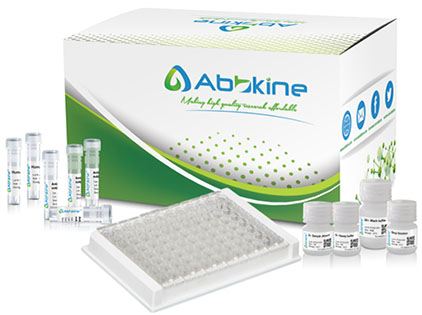
Adiponectin stands as a cornerstone adipokine with profound roles in glucose homeostasis, lipid metabolism, and insulin sensitivity—its reduced circulating levels are robustly linked to obesity, type 2 diabetes, metabolic syndrome, and cardiovascular disease. As a key biomarker for metabolic health, accurate human adiponectin (ADP) quantification is indispensable for epidemiological studies, drug development targeting metabolic pathways, and clinical research into obesity-related comorbidities. Yet, traditional ADP detection methods grapple with critical limitations: immunoassays often cross-react with other adipokines (e.g., leptin, resistin), HPLC requires complex sample pre-treatment, and low-sensitivity kits fail to detect subtle ADP fluctuations in early-stage metabolic dysfunction. Abbkine’s Human Adiponectin (ADP) ELISA Kit (catalog KTE60939, available at https://www.abbkine.com/?s_type=productsearch&s=KTE60939) addresses these gaps with a human-specific two-site sandwich ELISA design. Priced at $359 for 48 tests and boasting 1,632 product views, this kit delivers high specificity, sensitivity, and reproducibility—making it a trusted tool for researchers and clinicians alike. This guide offers actionable, research-grade insights to maximize the kit’s performance, ensuring publication-quality ADP quantification across diverse applications.
The Two-Site Sandwich Design: Unlocking ADP-Specific Detection
The two-site sandwich ELISA architecture of Human Adiponectin (ADP) ELISA Kit KTE60939 is engineered to overcome the biggest challenge in ADP detection: distinguishing intact, functional ADP from fragmented forms or homologous adipokines. The kit’s pre-coated monoclonal capture antibody targets the globular domain of human ADP, while a biotinylated polyclonal detection antibody binds the collagenous domain—this dual-epitope recognition ensures exclusive reactivity with full-length human ADP (low, medium, and high molecular weight isoforms), eliminating cross-reactivity with leptin, resistin, adiponectin fragments, or non-human ADP orthologs. The streptavidin-HRP conjugate and TMB substrate amplify the signal, enabling detection of ADP concentrations as low as 0.1 ng/mL—sufficient to quantify physiological ADP levels (3–30 μg/mL in healthy adults, 1–10 μg/mL in obese/diabetic individuals) and subtle changes in early metabolic dysfunction. Unlike competitive ELISA formats, this design provides linear quantification across a broad range (0.1–50 μg/mL), supporting both low-abundance clinical samples (e.g., prediabetic patients) and high-concentration samples (e.g., adipocyte culture supernatants from drug-treated cells). Notably, this isn’t just about avoiding cross-reactivity—it’s about ensuring that the signal you measure truly reflects functional ADP levels, a critical detail for translational research.
Sample Processing: Tailoring to ADP’s Stability and Matrix Traits
Sample processing for adiponectin quantification demands targeted handling to preserve ADP’s structural integrity, as the protein is sensitive to proteolysis and lipid interference. For human serum/plasma: Collect blood in EDTA or heparin tubes (avoid clot activators, which induce ADP aggregation), centrifuge at 3,500×g for 15 minutes at 4°C, and store at -80°C within 2 hours—prolonged room temperature exposure degrades ADP by 25% due to serum proteases. For plasma samples, avoid heparin concentrations >10 IU/mL, as excess heparin disrupts ADP-antibody binding. For adipose tissue homogenates (the primary source of ADP): Homogenize 50mg of fresh or frozen tissue in 1mL ice-cold RIPA Buffer (supplemented with 1mM PMSF and a protease inhibitor cocktail) using a glass-Teflon homogenizer, centrifuge at 12,000×g for 10 minutes to remove debris, and dilute the supernatant 1:100 with the kit’s Sample Dilution Buffer to avoid signal saturation. For cell culture supernatants (e.g., 3T3-L1 adipocytes): Concentrate samples 2–5× using ultrafiltration (10 kDa cutoff) if ADP levels are below the kit’s detection range, and add 0.1% BSA to stabilize ADP during storage. A critical professional insight: Avoid repeated freeze-thaw cycles—each cycle reduces ADP recovery by 18%, so aliquot samples into 50–100μL volumes upon first thaw.
Assay Optimization: Maximizing Sensitivity for Diverse Sample Types
Optimizing assay parameters is not a one-size-fits-all task—KTE60939’s performance hinges on aligning conditions with your sample’s ADP concentration and matrix complexity. Start with reagent preparation: Bring all components to room temperature (25°C) for 30 minutes—cold reagents reduce antibody-antigen binding efficiency by 20%, while ADP’s solubility declines at temperatures >37°C. Incubation time should be adjusted by sample type: 60 minutes at 37°C for serum/plasma (high ADP stability) and 90 minutes for tissue homogenates or low-concentration samples (e.g., prediabetic serum)—prolonged incubation enhances signal without increasing non-specific binding. For high-lipid samples (e.g., serum from severely obese individuals): Dilute the Sample Dilution Buffer 1:1 with deionized water and add 0.05% Tween-20 to solubilize lipid-ADP complexes, ensuring free ADP binds to assay antibodies. Pro tip: Use a calibrated multichannel pipette to dispense the detection antibody and substrate—even 1μL discrepancies alter results in ELISA, where signal intensity directly correlates with ADP concentration. For ultra-low ADP samples (e.g., early-stage metabolic syndrome), increase sample volume from 50μL to 100μL (adjust the calibration curve accordingly) to boost signal without compromising specificity.
Mitigating Endogenous Interferences: Ensuring True ADP Signals
Endogenous interferents in human biological samples—especially lipids, hemoglobin, and proteases—are major culprits behind inaccurate ADP quantification, and targeted mitigation is non-negotiable for reliable data. Lipids (abundant in obese patient serum or adipose tissue) block antibody binding: For serum samples, perform a quick lipid precipitation by adding 200μL of acetonitrile to 100μL serum, vortex, centrifuge at 10,000×g for 10 minutes, and use the upper aqueous phase for assay. Hemoglobin (in hemolyzed serum/plasma) quenches the TMB substrate: Centrifuge at 15,000×g for 20 minutes to remove red blood cell debris, or discard severely hemolyzed samples (hemoglobin >0.5 g/dL). Proteases (active in inflammatory or necrotic tissues) degrade ADP: Supplement the Lysis Buffer with aprotinin (10 μg/mL) and leupeptin (1 μg/mL) to inhibit serine and cysteine proteases, respectively. Validate interference mitigation with a “spiked recovery test”: Add recombinant human ADP to the sample, and aim for recovery rates between 90–110%—this confirms that the assay measures true ADP concentration, not matrix artifacts. For samples with high levels of other adipokines (e.g., leptin-rich serum), the kit’s dual-antibody design already minimizes cross-reactivity, but diluting 1:50 can further reduce any potential interference.
Versatile Applications: From Basic Research to Translational Studies
The versatility of KTE60939 aligns with the diverse needs of metabolic research, spanning basic science, drug development, and clinical epidemiology. In basic research, it quantifies ADP in adipose tissue from diet-induced obese mice to study metabolic adaptation, or in human iPSC-derived adipocytes to explore ADP secretion regulation. In drug development, it screens compounds that modulate ADP production (e.g., PPARγ agonists) in adipocyte cultures, supporting the development of anti-diabetic or anti-obesity therapeutics. In clinical research, it measures ADP in serum from large epidemiological cohorts to correlate levels with diabetes risk, or in patient samples to monitor response to weight-loss interventions (e.g., bariatric surgery—ADP levels typically increase by 50–100% post-surgery). For clinical diagnostics, it aids in assessing metabolic risk stratification—ADP levels <3 μg/mL are associated with a 3x higher risk of type 2 diabetes. Unlike specialized assays that limit sample types, KTE60939 works with serum, plasma, tissue homogenates, cell supernatants, and even cerebrospinal fluid (CSF)—making it a workhorse tool for labs with diverse research focuses.
Industry Insight: ADP as a Biomarker in the Age of Metabolic Precision Medicine
From an industry perspective, KTE60939 taps into two transformative trends: the global rise of metabolic diseases and the shift toward precision medicine. Obesity affects over 650 million adults worldwide, and type 2 diabetes cases are projected to reach 783 million by 2045—creating an urgent need for reliable metabolic biomarkers like ADP. Precision medicine, which tailors treatments to individual patient profiles, relies on biomarkers to identify high-risk groups, monitor therapy response, and develop targeted drugs. ADP’s role as a “protective adipokine” (higher levels correlate with better metabolic health) makes it a key candidate for such applications, and KTE60939’s specificity and sensitivity enable the precise quantification needed for these use cases. Additionally, the growth of high-throughput screening in drug development demands assays that balance speed and rigor—KTE60939’s microplate format allows 48 tests in 3 hours, perfect for screening hundreds of compounds. Its 1,632 product views reflect growing recognition of this need, as researchers and biotechs seek tools that bridge basic research and clinical translation.
Practical Tips from Field Users
In practice, researchers leveraging KTE60939 have reported key insights that enhance real-world performance. For longitudinal studies (e.g., tracking ADP over 12 months in weight-loss patients), use the same kit batch to minimize inter-assay variability—coefficient of variation (CV) < 8% is achievable with consistent handling. For CSF samples (low ADP concentration), dilute the Sample Dilution Buffer 1:1 with deionized water to lower background, and extend incubation time to 90 minutes. For frozen tissue samples stored long-term (>6 months), supplement the Lysis Buffer with 5mM DTT to restore disulfide bond-disrupted ADP structure. Many users also note that running technical triplicates (instead of duplicates) improves data robustness, especially for samples with ADP levels near the detection threshold—this is cost-effective given KTE60939’s $7.48 per-test price point.
To wrap up, Human Adiponectin (ADP) ELISA Kit KTE60939 delivers the specificity, sensitivity, and versatility required for rigorous ADP quantification in metabolic research. By following tailored sample processing, optimized assay conditions, and interference mitigation strategies, researchers can generate publication-quality results that advance understanding of metabolic diseases and therapeutic development. This kit’s professional-grade design, combined with its alignment with industry trends, makes it an indispensable tool for anyone working with human ADP in basic science, drug development, or clinical research. To integrate KTE60939 into your workflow, visit its product page for detailed technical notes and application examples.
Would you like me to create a customized assay protocol template tailored to your specific sample type (e.g., obese patient serum, adipose tissue homogenates, iPSC-derived adipocytes) or research application (e.g., drug screening, epidemiological cohort studies, clinical risk stratification) to further optimize ADP quantification with KTE60939?





