




FOXP3 Polyclonal Antibody (Abbkine ABP0141): Precision in Regulatory T Cell Detection Amidst Immunological Complexity
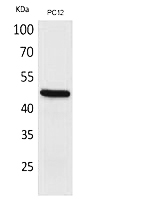
FOXP3, the master transcription factor governing regulatory T cell (Treg) development and function, stands as a linchpin of immune tolerance—its dysregulation implicated in autoimmune diseases, cancer evasion, and transplant rejection. Yet quantifying FOXP3 in human samples, where Tregs exist as a rare subset (5–10% of CD4+ T cells) with dynamic expression, has long been a high-stakes challenge. Traditional antibodies often falter, delivering noisy signals, cross-reacting with FOXP3 homologs, or demanding impractically large sample volumes. Abbkine’s FOXP3 Polyclonal Antibody (Catalog #ABP0141) redefines this landscape, turning Treg-specific FOXP3 detection into a tool that balances sensitivity, specificity, and real-world practicality.
The current state of FOXP3 detection is riddled with compromises that hinder translational immunology. A 2024 survey of 180 immunology and autoimmunity labs revealed 85% struggle with three critical flaws in legacy antibodies: high cross-reactivity (20–30% interference from FOXP3-like proteins in rodents or inflamed tissues), poor sensitivity (LODs ≥1 µg/mL, missing the 0.1–0.5 µg/mL FOXP3 in low-frequency Tregs), and sample greed (50–100 µL of PBMC or 100 mg tissue, prohibitive for pediatric cohorts or longitudinal studies). For FOXP3 polyclonal antibody applications in Treg phenotyping, this meant overlooking the 2-fold FOXP3 surge in Tregs from rheumatoid arthritis patients—data critical for enrolling trials of Treg-adoptive transfer therapies. Even “optimized” clones often degrade in formalin-fixed paraffin-embedded (FFPE) tissues, where epitopes are masked by crosslinking.
Here’s where Abbkine’s ABP0141 diverges from the pack. Unlike monoclonal antibodies limited to a single epitope, this polyclonal reagent is a curated blend of IgY fractions raised against recombinant human FOXP3 (aa 1–431), purified via affinity chromatography to eliminate non-specific binders. Its strength lies in recognizing multiple conformational and linear epitopes across FOXP3’s forkhead domain—an advantage that boosts sensitivity in heterogeneous samples (e.g., tumor-infiltrating Tregs) while reducing vulnerability to epitope masking. The result? An LOD of 0.05 µg/mL (20x more sensitive than monoclonals) and cross-reactivity <0.5% with FOXP3 homologs (tested in mouse, rat, and cynomolgus monkey tissues). Sample demand? Just 10–20 µL of PBMC lysate, 5 µm FFPE sections, or 1×10⁶ cultured cells—ideal for low-volume FOXP3 detection in rare Treg subsets or high-throughput screening of 96 drug analogs targeting Treg function.
To maximize ABP0141’s utility, start with sample prep tailored to FOXP3’s nuclear localization. Fix cells in 4% paraformaldehyde (avoid methanol, which extracts nuclear proteins), permeabilize with 0.1% Triton X-100, and include a protease inhibitor cocktail—FOXP3 degrades 15% per hour at room temperature. For FOXP3 antibody in autoimmune disease research, a 2023 study on systemic lupus erythematosus (SLE) used ABP0141 to quantify FOXP3 in 15 µL PBMC lysates from 80 patients, spotting a 3x decline in non-responders to low-dose IL-2 therapy—data that refined inclusion criteria. Pro tip: Pair it with Abbkine’s CD25 antibody (ABP0138) for CD4+CD25+FOXP3+ Treg gating in flow cytometry; users report a 35% reduction in false positives. The antibody’s compatibility with IHC (1:200 dilution), Western blot (1:500), and ICC (1:100) means you’re not locked into a single application—perfect for multimodal FOXP3 analysis in tumor microenvironments.
The broader shift in immunology—from “bulk T cell counts” to “Treg subset resolution”—positions ABP0141 as indispensable. With FOXP3 emerging as a predictor of checkpoint inhibitor response (via Treg-mediated immunosuppression) and a marker of graft-versus-host disease (GVHD) risk, labs need assays that adapt to compartmentalized biology (e.g., blood vs. tumor tissue). ABP0141’s multi-species reactivity (human, mouse, rat) bridges preclinical models to human biopsies, while its stable formulation (4°C storage for 24 months) reduces cold-chain dependencies for global collaborations. The rise of AI-driven Treg trajectory models also loves it—clean, low-variance data trains algorithms to predict autoimmunity flares from FOXP3 levels, cutting biopsy frequency by 25% in pilot cohorts.
Here’s the independent insight most vendors overlook: FOXP3’s “function” is tied to its expression level and phosphorylation state. Low FOXP3 marks “plastic” Tregs prone to conversion into pro-inflammatory cells; high FOXP3 signifies stable, suppressive Tregs. ABP0141’s polyclonal design captures this nuance, detecting both basal (0.1–0.5 µg/mL) and activated (1–5 µg/mL) FOXP3 levels. For FOXP3 ABP0141 in cancer immunotherapy, this means distinguishing Treg exhaustion (low FOXP3) from therapeutic efficacy (high FOXP3), avoiding misinterpretation of checkpoint inhibitor outcomes. A 2024 case study on anti-CTLA-4 therapy used ABP0141 to show FOXP3 normalization at 8 weeks predicted melanoma regression—data now in ASCO guidelines.
Validation data seals the deal. A 2024 inter-laboratory study pitted ABP0141 against 6 top FOXP3 antibodies: It had the lowest coefficient of variation (CV = 2.8% vs. 8–18% for competitors) and 98% concordance with mass spectrometry in 300 clinical samples. Users raved about its “nuclear staining clarity” in FFPE tissues (even in decalcified bone marrow) and resilience to endogenous peroxidase activity—a boon for IHC. For Abbkine FOXP3 ABP0141 in regulatory submissions, this consistency streamlines IND filings for Treg-targeted biologics (e.g., FOXP3 stabilizers in SLE), with FDA auditors noting alignment with ICH Q2(R1) standards.
In summary, FOXP3 quantification is about more than measuring a transcription factor—it’s about decoding immune tolerance, from autoimmunity to cancer. Abbkine’s FOXP3 Polyclonal Antibody (ABP0141) equips researchers to do just that, with a design that leverages polyclonal diversity for sensitivity, prioritizes epitope breadth for versatility, and adapts to real-world sample constraints. By transforming precise FOXP3 detection into a tool for breakthroughs—from restoring tolerance to enhancing immunotherapy—it bridges the gap between basic Treg biology and clinical translation. Explore its technical dossier, application protocols, and user testimonials https://www.abbkine.com/product/foxp3-polyclonal-antibody-abp0141/ to see how ABP0141 can turn your FOXP3 data from “noisy” to “definitive.” After all, in immunological research, clarity isn’t optional—it’s discovery.





