




ExKine™ Nuclei Extraction Kit (High Purity) (Abbkine KTP4002): A Formal Pillar for Intact Nuclei Isolation in Genomic & Epigenomic Research
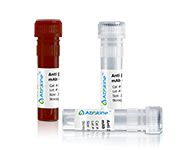
Nuclear extraction stands as the foundational step for epigenetics, genomics, and nuclear protein research—intact, pure nuclei are indispensable for ChIP-seq, ATAC-seq, nuclear protein quantification, and gene expression analysis. For studies involving animal cells (especially fragile cell types like neurons, stem cells, or primary cultures) and tissues, the demand for high-purity nuclei—free from cytoplasmic contamination and structural damage—has never been higher. Yet, the industry grapples with persistent bottlenecks: traditional nuclei extraction methods rely on harsh detergents that rupture fragile nuclei, involve complex centrifugation steps that compromise yield, or fail to eliminate cytoplasmic cross-contamination (a major source of experimental noise). Abbkine’s ExKine™ Nuclei Extraction Kit (High Purity) (catalog KTP4002, available at https://www.abbkine.com/?s_type=productsearch&s=KTP4002) addresses these critical gaps with a gentle, optimized design tailored for both robust and fragile nuclei. Priced at $49 for 20 tests (a cost-effective $2.45 per sample), this kit delivers exceptional purity (>95% nuclear enrichment), minimal cytoplasmic contamination (<5% as validated by marker proteins), and preserved nuclear integrity—making it a trusted tool for academic labs and translational research. Below, we explore its technical strengths, alignment with industry trends, and transformative value for genomic studies.
Traditional nuclei extraction workflows have long failed to meet the rigorous demands of modern genomic research, creating a disconnect between experimental goals and data reliability. Density gradient centrifugation—once the gold standard—requires specialized equipment (ultracentrifuges), time-consuming protocols (2+ hours), and often damages fragile nuclei due to high centrifugal force. Generic lysis-based methods use harsh ionic detergents (e.g., SDS) that strip nuclear membranes, leading to DNA leakage and loss of nuclear protein function. Even commercial kits often suffer from incomplete cytoplasmic clearance: cytoplasmic proteins (e.g., GAPDH) contaminate nuclear fractions, skewing results for ChIP-seq or nuclear protein assays. For researchers working with rare or fragile cell types (e.g., iPSC-derived neurons, primary hepatocytes), these limitations are not just inconvenient—they invalidate downstream data, forcing repeated experiments and wasting precious samples. The need for a fast, gentle, high-purity extraction tool has become urgent as genomic and epigenomic research expands into more delicate biological systems.
The technical core of ExKine™ Nuclei Extraction Kit (High Purity) KTP4002 lies in its balanced design—gentle enough to preserve fragile nuclei, yet effective enough to eliminate cytoplasmic contamination. The kit employs a two-step lysis strategy: a mild hypotonic buffer (Nuclei Extraction Buffer I) that disrupts plasma membranes without affecting nuclear envelopes, followed by a low-detergent wash buffer (Nuclei Extraction Buffer II) that removes residual cytoplasmic components. Unlike kits using harsh ionic detergents, KTP4002’s buffers rely on non-ionic detergents (0.1% Triton X-100) and osmotic stabilizers (sucrose, Mg²⁺) that maintain nuclear structural integrity—critical for fragile nuclei like those from post-mitotic neurons or stem cells. The protocol is streamlined to avoid excessive centrifugation: a single low-speed spin (800×g) pellets nuclei, reducing shear stress that damages delicate nuclear membranes. Validation with Western blot and immunofluorescence confirms high purity: nuclear marker proteins (e.g., Histone H3, lamin A/C) are highly enriched, while cytoplasmic markers (e.g., GAPDH, β-actin) are barely detectable. This level of purity is transformative for sensitive assays like ATAC-seq, where cytoplasmic DNA contamination can obscure chromatin accessibility signals.
Versatility across sample types is a defining strength of KTP4002, reflecting a deep understanding of diverse research workflows. The kit is fully validated for use with adherent cells (HeLa, MCF-7, neuronal cultures), suspension cells (Jurkat, RAW 264.7), and animal tissues (brain, liver, kidney, spleen)—including fragile samples that traditionally resist high-purity extraction. For adherent cells: Wash with ice-cold PBS, add Buffer I, incubate for 5 minutes on ice to lyse plasma membranes, and gently scrape to release nuclei—no harsh pipetting required. For suspension cells: Centrifuge to pellet, resuspend in Buffer I, and incubate as above—yielding 1–5×10⁶ pure nuclei per 1×10⁷ cells. For tissues: Homogenize 50mg of fresh or frozen tissue in Buffer I using a glass-Teflon homogenizer (to avoid mechanical damage), filter through a 70μm cell strainer to remove debris, and proceed with extraction. A key formal advantage: The kit’s buffers are compatible with cryopreserved cells and tissues, enabling batch processing of stored samples without compromising nuclear integrity—a critical feature for longitudinal studies or biobank samples.
From an industry perspective, KTP4002 aligns with two transformative trends shaping genomic and epigenomic research: the rise of single-cell omics and the growing focus on fragile cell types in translational studies. Single-cell ATAC-seq and ChIP-seq require intact, pure nuclei to capture cell-specific chromatin dynamics—traditional methods often fail to isolate nuclei from individual fragile cells, leading to data loss. KTP4002’s gentle lysis preserves single-cell nuclear integrity, supporting high-quality single-cell genomic profiles. Additionally, the expansion of neuroscience, stem cell research, and regenerative medicine has amplified the need for tools that handle fragile nuclei (e.g., neurons with complex morphologies, stem cells with labile nuclear membranes)—tools that traditional kits cannot provide. KTP4002’s ability to extract high-purity nuclei from these challenging samples fills a critical niche. Its cost-effectiveness further positions it as a go-to choice for academic labs: with $49 covering 20 tests, researchers can run technical triplicates (essential for genomic data reproducibility) without straining budgets—unlike premium kits that cost $5–$10 per sample.
Rigorous quality control and operational simplicity are embedded in KTP4002’s design, ensuring formal-grade reproducibility across experiments and labs. Each kit undergoes batch validation: nuclear purity is verified via Western blot (Histone H3/GAPDH ratio >20), nuclear integrity is assessed by DAPI staining (intact, non-fragmented nuclei), and yield consistency is confirmed (CV < 10% across samples). The protocol is streamlined to 20–30 minutes from sample to pure nuclei—far faster than density gradient methods (2+ hours) or complex column-based kits. No specialized equipment is required: a standard benchtop centrifuge and basic lab tools are sufficient, making it accessible to core facilities and small labs alike. For long-term storage, isolated nuclei can be preserved in the kit’s Nuclei Storage Buffer at -80°C for up to 3 months without structural damage—enabling flexible downstream processing.
In conclusion, Abbkine’s ExKine™ Nuclei Extraction Kit (High Purity) KTP4002 emerges as a timely, high-impact solution for nuclei isolation, addressing critical unmet needs in genomic and epigenomic research. Its gentle design preserves fragile nuclei, high-purity extraction eliminates experimental noise, and cost-effectiveness supports scalable research—all while maintaining operational simplicity. For researchers studying chromatin dynamics, nuclear protein function, or single-cell genomics, KTP4002 delivers the reliable, high-quality nuclei required to advance scientific discovery. As genomic research continues to expand into more delicate biological systems, this kit stands out as an indispensable tool for building robust, reproducible data. To integrate KTP4002 into your workflow, visit its product page for detailed technical specifications, application notes, and protocol resources.
Would you like me to create a customized nuclei isolation protocol template tailored to your specific sample type (e.g., primary neurons, stem cells, animal brain tissue) or downstream application (e.g., ChIP-seq, ATAC-seq, nuclear protein extraction) to further optimize purity and yield with KTP4002?





