




Enhance Cytotoxicity Assessment Precision: Abbkine KTA1030 LDH Cytotoxicity Assay Kit – A Gold-Standard Tool for Quantitative Life Science Research
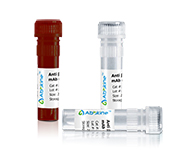
Cytotoxicity evaluation stands as a foundational, indispensable component in drug discovery, preclinical toxicology, immunological research, and cellular biology investigations—serving as a critical gateway for assessing the safety and efficacy of biological and chemical agents. It enables the quantitative measurement of cellular damage or death induced by pharmaceutical compounds, environmental stressors, pathogenic agents, immunotherapeutic interventions, or genetic perturbations, providing actionable data to inform experimental design, high-throughput compound screening, and preclinical safety assessment. The scientific rigor of such analyses hinges entirely on the adoption of assay methods that seamlessly integrate sensitivity, specificity, reproducibility, and operational feasibility—attributes that directly impact the reliability of conclusions drawn from cell-based studies. Addressing these core requirements, Abbkine’s LDH Cytotoxicity Assay Kit (Product Code: KTA1030) emerges as a rigorously engineered colorimetric solution, meticulously designed to deliver precise, quantitative cytotoxicity data while maintaining user-centric functionality for researchers across academic institutions, pharmaceutical companies, and industrial research settings.
Lactate Dehydrogenase (LDH) is a phylogenetically conserved cytosolic enzyme with stable catalytic activity across diverse cell types and species, released into the extracellular milieu instantaneously upon disruption of the plasma membrane—an early, definitive hallmark of cytotoxicity and irreversible cell damage. Unlike other viability markers that may reflect transient cellular stress, LDH release directly correlates with membrane integrity loss, making it an established gold-standard biomarker for assessing cell viability and quantifying cytotoxic effects. Abbkine KTA1030 leverages a highly specific, enzyme-coupled colorimetric reaction principle: LDH catalyzes the oxidation of L-lactate to pyruvate, a reaction coupled with the reduction of nicotinamide adenine dinucleotide (NAD⁺) to its reduced form (NADH). The generated NADH then mediates the reduction of a tetrazolium-based chromogenic substrate (typically INT or MTT) to a water-soluble formazan product, whose absorbance (optimally measured at 490 nm with a reference wavelength of 630 nm to correct for background interference) exhibits a direct, linear correlation with the concentration of released LDH. This well-validated mechanism enables sensitive, quantitative determination of cytotoxicity, with a detection limit capable of identifying low levels of cellular damage (as low as 5–10% cell lysis in many cell models) and a broad dynamic range that supports accurate quantification across diverse experimental conditions, from mild cytotoxicity to complete cell lysis.
A key technical advantage of Abbkine KTA1030 lies in its optimized balance of performance, experimental simplicity, and scalability—addressing the diverse needs of modern research workflows. The kit incorporates a streamlined, standardized protocol that minimizes hands-on manipulation, reduces the potential for human error, and eliminates the need for specialized equipment or advanced technical expertise. Sample preparation involves only the collection of cell culture supernatants, with no requirement for cell lysis or complex preprocessing, ensuring compatibility with both adherent and suspension cell cultures. With a 96-test (96T) format, the kit is ideally suited for high-throughput screening applications—including compound libraries, toxicology panels, immune cell-mediated cytotoxicity assays, and gene editing efficiency assessments—while maintaining full compatibility with standard microplate readers commonly available in research laboratories. The colorimetric readout ensures robust signal detection with minimal background interference, as the assay is engineered to mitigate cross-reactivity with common biological matrices, metabolites (e.g., glucose, amino acids), or cofactors (e.g., NADPH) present in cell culture media or serum-supplemented supernatants. This inherent specificity guarantees that measured absorbance values accurately reflect LDH release from damaged cells, rather than non-specific contributions from the experimental system.
As a reputable provider of high-performance life science reagents, Abbkine adheres to stringent quality control protocols throughout the manufacturing, formulation, and validation of KTA1030. Each production batch undergoes comprehensive testing to verify critical performance parameters, including enzymatic substrate activity, assay sensitivity (lower limit of detection for LDH), linearity of the standard curve (typically spanning 0–200 U/L LDH), and batch-to-batch consistency in signal-to-noise ratio and reaction kinetics. Critical components, including buffers, substrates, cofactors, and stabilizers, are formulated to ensure long-term stability under recommended storage conditions (-20°C for frozen components, 4°C for liquid reagents), preserving assay integrity over extended periods (up to 12 months when stored properly). This unwavering commitment to quality ensures that researchers can rely on the kit to deliver reproducible, publication-ready data across diverse applications—from evaluating the cytotoxic potential of novel small molecules, biologics, or nanomaterials to assessing immune effector cell function (e.g., T cell or NK cell-mediated killing) or monitoring cellular responses to oxidative stress, hypoxia, or chemical toxins.
Priced at $109 for 96 tests, Abbkine KTA1030 offers exceptional cost-effectiveness without compromising on technical performance—a critical advantage in resource-constrained research environments. This competitive pricing structure enables research laboratories of all sizes—from academic institutions with limited grant budgets to large pharmaceutical R&D teams managing high-volume screening programs—to access a high-quality cytotoxicity assay tool, optimizing experimental workflows while controlling per-sample costs. For detailed product specifications, recommended assay protocols (including sample preparation guidelines, optimal incubation times, and data analysis frameworks), compatibility information with specific cell types, and troubleshooting resources, please refer to the official product page: https://www.abbkine.com/?s_type=productsearch&s=KTA1030. The page also provides access to technical support and frequently asked questions to assist researchers in maximizing assay performance and resolving potential experimental challenges.
In summary, Abbkine KTA1030 LDH Cytotoxicity Assay Kit represents a sophisticated yet accessible solution for quantitative cytotoxicity assessment, combining the reliability of the LDH biomarker with optimized colorimetric detection technology. Its user-friendly protocol, scalability for high-throughput applications, inherent specificity, and rigorous quality control make it an indispensable tool for researchers seeking to enhance the precision, reproducibility, and efficiency of their cytotoxicity analyses. By enabling accurate, quantitative measurement of cellular damage, this kit supports rigorous experimental design, accelerates data generation, and contributes to the advancement of scientific knowledge in critical fields such as drug discovery, preclinical toxicology, immunology, and cell biology—ultimately facilitating the development of safer, more effective therapeutic agents and a deeper understanding of cellular responses to environmental and biological stressors.





