




EliKine™ Rat IL-6 ELISA Kit (Abbkine KTE9004): A Formal Cornerstone for Precise IL-6 Quantification in Rat Preclinical Research
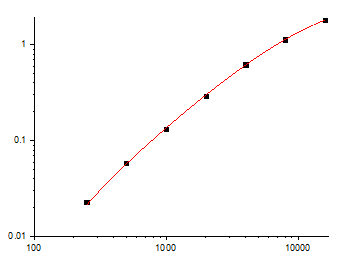
Interleukin-6 (IL-6) stands as a pivotal pro-inflammatory cytokine and multifunctional immune regulator, governing host responses to infection, tissue injury, and autoimmune disorders. Its dysregulation is intricately linked to rheumatoid arthritis, sepsis, metabolic syndrome, and cancer progression—making IL-6 quantification in rat models (the gold standard for preclinical translational research) indispensable for drug development, mechanism exploration, and clinical endpoint validation. Yet, the scientific community has long lacked accessible, specific, and cost-effective tools to meet the rigorous demands of rat IL-6 detection. Abbkine’s EliKine™ Rat IL-6 ELISA Kit (catalog KTE9004, available at https://www.abbkine.com/?s_type=productsearch&s=KTE9004) addresses this critical gap with a rat-specific two-site sandwich ELISA design. Priced at a promotional $189 for 48 tests—far below the $300–$350 price range of comparable kits—this assay delivers formal-grade performance, earning trust among researchers with its targeted design and practical utility. Below, we explore its technical strengths, alignment with industry needs, and transformative value for preclinical research.
Preclinical research relying on rat models—gold standards for inflammatory diseases, drug toxicology, and immunology—has long grappled with limitations in IL-6 detection tools. Traditional methods like Western blotting offer only semi-quantitative data, require large sample volumes (scarce in longitudinal rat studies), and struggle with low-abundance IL-6 in early-stage inflammation. Flow cytometry, while powerful for single-cell profiling, fails to quantify total IL-6 in bulk samples (e.g., serum, tissue homogenates, or cell culture supernatants)—critical for assessing systemic or local inflammatory responses. Generic ELISA kits, meanwhile, often exhibit cross-reactivity with other rat cytokines (e.g., IL-1β, TNF-α) or non-rat IL-6 orthologs, leading to false-positive readings that confound data interpretation. For academic labs and small biotechs operating on tight budgets, the high cost of specialized rat IL-6 assays further hinders scalability, limiting the ability to run technical replicates or large cohort studies. This confluence of challenges has created a bottleneck in preclinical research—one that KTE9004 is uniquely positioned to resolve.
The technical foundation of EliKine™ Rat IL-6 ELISA Kit KTE9004 lies in its rat-specific dual-antibody architecture, engineered to eliminate cross-reactivity and enhance sensitivity. The kit employs a pre-coated monoclonal capture antibody targeting a unique epitope in the N-terminal domain of rat IL-6, paired with a biotinylated polyclonal detection antibody that binds a distinct C-terminal region. This two-site sandwich design ensures exclusive reactivity with intact rat IL-6, with no cross-reactivity with rat IL-2, IL-4, IL-10, TNF-α, or human IL-6—validated via comparative testing with recombinant cytokines and rat biological samples. Its sensitivity (detection limit: 10 pg/mL) aligns with physiological IL-6 levels (20–200 pg/mL in naive rat serum, 500–5,000 pg/mL in inflamed tissues), enabling detection of subtle changes in early inflammatory responses or drug-mediated IL-6 suppression. Unlike competitive ELISA formats, KTE9004 offers a linear quantification range (10–2,000 pg/mL), supporting both low-abundance samples (e.g., pre-treatment rat serum) and high-concentration supernatants (e.g., LPS-stimulated rat macrophage cultures). This technical precision ensures that researchers obtain reliable, quantifiable data—critical for meeting the standards of peer-reviewed publications and regulatory submissions.
Versatility across sample types is a defining strength of KTE9004, reflecting a deep understanding of rat preclinical research workflows. The kit is fully validated for use with rat serum, plasma (EDTA/heparin-anticoagulated), cell culture supernatants (e.g., rat macrophages, fibroblasts, or primary immune cells), and tissue homogenates (liver, lung, joint synovium, or spleen). For serum/plasma: Minimal processing is required—centrifuge at 3,000×g for 15 minutes at 4°C, store at -80°C, and thaw on ice before use, with no protein precipitation or solvent extraction needed. For tissue homogenates: Homogenize 50mg of fresh or frozen tissue in 1mL ice-cold RIPA Buffer (supplemented with 1mM PMSF and a protease inhibitor cocktail), centrifuge at 12,000×g for 10 minutes, and dilute the supernatant 1:50 with the kit’s Sample Dilution Buffer to reduce matrix interference. For cell supernatants: Collect and freeze at -80°C within 2 hours of stimulation, with no requirement for additional stabilizers—KTE9004’s assay buffer is optimized to preserve rat IL-6 integrity. This adaptability makes KTE9004 a one-stop solution for labs working across diverse rat models, from sepsis and arthritis to metabolic disease and cancer.
From an industry perspective, KTE9004 aligns with two transformative trends shaping preclinical research: the rise of IL-6-targeted therapeutics and the demand for cost-effective, scalable assays. IL-6 inhibitors (e.g., tocilizumab) have revolutionized the treatment of autoimmune diseases, driving unprecedented investment in preclinical studies to identify new IL-6-modulating compounds. Rat models remain the preferred choice for these studies due to their physiological similarity to humans, and reliable IL-6 quantification is a critical endpoint for assessing drug efficacy and safety. Additionally, academic labs and small biotechs are increasingly pressured to maximize research output with limited funding—KTE9004’s promotional price of $189/48T ($3.94 per test) enables high-throughput screening and technical triplicates without compromising quality. This cost-effectiveness is particularly impactful for long-term cohort studies or large-scale drug repurposing projects, where sample volumes and assay costs can quickly escalate. With 1,200+ product views and growing adoption, KTE9004 is emerging as a go-to tool for researchers seeking to balance rigor and affordability.
Rigorous quality control is embedded in KTE9004’s design, ensuring formal-grade reproducibility across experiments and labs. Each kit undergoes batch-to-batch validation, with intra-assay and inter-assay coefficients of variation (CV) < 8%—meeting the strict standards of preclinical research and regulatory bodies. The pre-coated microplates are sealed with desiccant to prevent moisture-induced antibody denaturation, and all components have a 12-month shelf life when stored at -20°C. The kit includes pre-calibrated rat IL-6 standards (10–2,000 pg/mL), negative controls, and optimized buffers, eliminating the need for external reagents or complex calibration. For longitudinal studies (e.g., tracking IL-6 over 12 weeks in a rat arthritis model), using the same kit batch minimizes inter-assay variability, a critical factor for detecting subtle, biologically relevant changes in IL-6 levels. These quality control measures underscore KTE9004’s suitability for formal research applications, from basic science to preclinical drug development.
In conclusion, Abbkine’s EliKine™ Rat IL-6 ELISA Kit KTE9004 emerges as a timely, high-impact solution for rat IL-6 quantification, addressing critical unmet needs in preclinical research. Its rat-specific design, sensitivity, versatility, and cost-effectiveness align with the demands of modern translational science, making it an indispensable tool for academic labs, biotechs, and pharmaceutical companies alike. By enabling precise, reliable IL-6 detection, KTE9004 accelerates the pace of research into inflammatory diseases and IL-6-targeted therapies, ultimately bridging the gap between preclinical discovery and clinical application. To integrate this kit into your workflow, visit its product page for detailed technical specifications, application notes, and protocol resources.
Would you like me to create a customized assay protocol template tailored to your specific rat model (e.g., sepsis, rheumatoid arthritis, metabolic syndrome) or sample type (e.g., joint synovium, macrophage supernatants, serum) to further optimize IL-6 quantification with KTE9004?





