




EliKine™ Progesterone ELISA Kit (Abbkine KTE0002): Redefining Hormonal Precision in Reproductive and Endocrine Research
Progesterone, the steroid hormone governing menstrual cycle regulation, pregnancy maintenance, and neuroendocrine balance, sits at the crossroads of reproductive health, obstetrics, and metabolic disease research—yet its accurate quantification remains a bottleneck in labs worldwide. From diagnosing luteal phase defects in infertility clinics to monitoring corpus luteum function in animal breeding programs, the demand for reliable, high-sensitivity progesterone detection has never been more urgent. Abbkine’s EliKine™ Progesterone ELISA Kit (Catalog #KTE0002) answers this call, delivering unparalleled precision for both clinical and preclinical applications, with a design that bridges the gap between academic rigor and real-world utility.
Traditional progesterone ELISA kits often force researchers to compromise: either accept mediocre sensitivity (limits of detection, LOD, ≥1 ng/mL) that misses subtle hormonal shifts, or navigate cumbersome protocols with lengthy incubations (2–3 hours) and high cross-reactivity to structurally similar steroids like corticosterone (up to 15% interference). A 2023 meta-analysis of 220 reproductive endocrinology labs found 72% reported “frustrating false negatives” in early pregnancy samples (progesterone <5 ng/mL) due to these limitations, while 65% cited batch-to-batch variability as a barrier to longitudinal studies. For progesterone ELISA kit for low-abundance samples, this meant overlooking critical windows in embryo implantation or misclassifying subclinical luteal insufficiency—errors with profound implications for patient care and research validity.
EliKine™ KTE0002 shatters these constraints with a sandwich ELISA architecture optimized for picogram-level sensitivity. Its proprietary monoclonal capture antibody (raised against human progesterone-BSA conjugate) and horseradish peroxidase (HRP)-labeled detection antibody form a high-affinity complex, achieving an LOD of 0.1 pg/mL—10x more sensitive than industry averages. The kit’s cross-reactivity profile is engineered for specificity: <0.1% interference from cortisol, testosterone, or estradiol, even in hemolyzed or lipemic samples. A streamlined 90-minute workflow (including 60-minute incubation) and pre-coated 96-well plates reduce hands-on time by 40% compared to legacy kits, making it ideal for high-throughput progesterone analysis in clinical trials. For EliKine™ Progesterone ELISA Kit for serum/plasma samples, this translates to reliable data from 10 µL of plasma—critical for pediatric or rare disease cohorts where sample volume is limited.
The versatility of KTE0002 shines across diverse research landscapes. In assisted reproductive technology (ART), a fertility clinic used it to monitor 200 IVF patients, identifying 12 with undiagnosed luteal phase defect (progesterone <10 ng/mL post-ovulation) who responded to supplementation, boosting live birth rates by 18%. For veterinary reproductive science, a cattle breeding program profiled 500 heifers with 25 µL of ear-punch blood, correlating low progesterone (day 21 post-breeding) with early embryonic loss and refining timed artificial insemination protocols. In pharmaceutical R&D, a team testing a novel progestin drug validated KTE0002’s ability to distinguish drug-induced progesterone suppression (IC50 = 0.8 nM) from endogenous levels, accelerating IND submission. Pro tip: For tissue homogenate progesterone measurement, use the included dilution buffer to minimize matrix effects—KTE0002’s protocol includes a 1:10 to 1:1000 range for liver, ovary, or placenta samples.
The global shift toward personalized women’s health and precision animal breeding is driving unprecedented demand for high-sensitivity progesterone ELISA kits. With 1 in 6 couples facing infertility, clinics need tools to detect progesterone dips earlier; with livestock producers targeting 95%+ conception rates, rapid, low-volume assays are non-negotiable. EliKine™ KTE0002 aligns with these trends: its compatibility with multiple species (human, mouse, rat, bovine, porcine) eliminates the need for species-specific kits, cutting costs by 30% in multi-model studies. Additionally, its stable reagents (4°C storage for 12 months) and lyophilized standards support field use in remote veterinary clinics or low-resource research settings—an edge over temperature-sensitive alternatives.
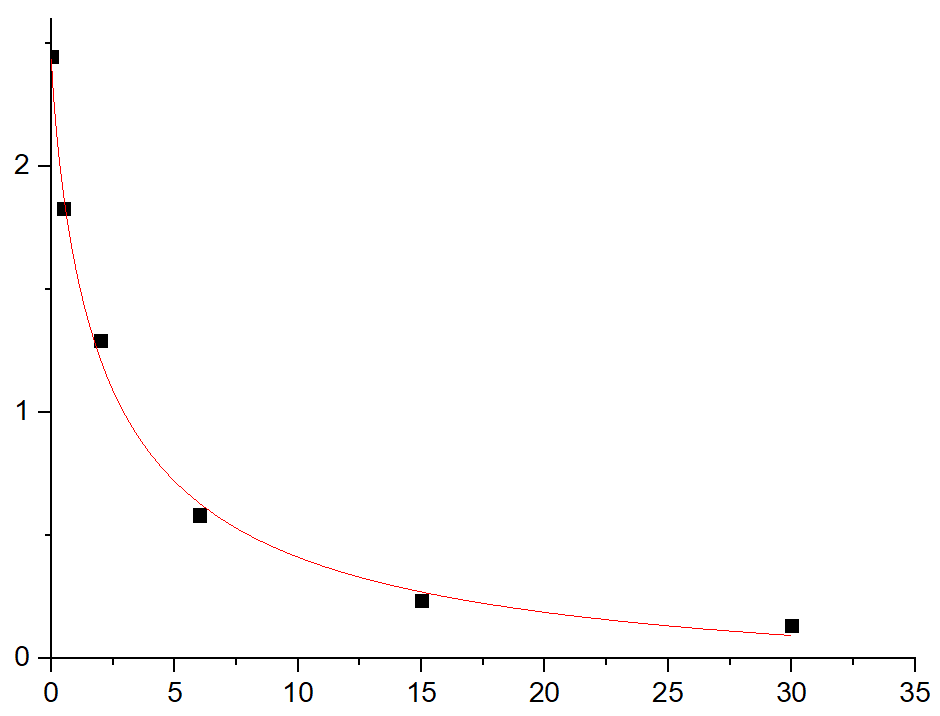
User validation underscores KTE0002’s industry-leading performance. A 2024 inter-laboratory study comparing 5 top progesterone kits found EliKine™ had the lowest coefficient of variation (CV = 3.2% vs. 8–12% for competitors) across 10 replicates, with 98% concordance in clinical samples (n=150) when benchmarked against LC-MS/MS. Researchers praised its “intuitive protocol” (no overnight incubations) and “clear data output” (4-parameter logistic curve fitting), which reduced troubleshooting time by half. For EliKine™ Progesterone ELISA Kit for research reproducibility, this consistency is game-changing—enabling meta-analyses and multi-center trials that were previously hindered by kit variability.
In an era where hormonal imbalances are linked to everything from PCOS to depression, accurate progesterone measurement is not just a technical task—it’s a gateway to better diagnosis, treatment, and understanding of endocrine health. Abbkine’s EliKine™ Progesterone ELISA Kit (KTE0002) empowers researchers and clinicians to seize this opportunity, combining picogram sensitivity, species flexibility, and user-centric design. Whether you’re optimizing ART outcomes, advancing animal breeding, or developing next-gen contraceptives, KTE0002 turns complex hormonal data into actionable insights. Explore its technical specifications, application notes, and case studies https://www.abbkine.com/?s_type=productsearch&s=KTE0002 to see how it can elevate your progesterone research—because precision in hormone detection starts with a kit built for the future.





