




EliKine™ Human Leptin ELISA Kit (Abbkine KTE6026): A Trusted Tool for Precise Leptin Quantification in Metabolic and Clinical Research
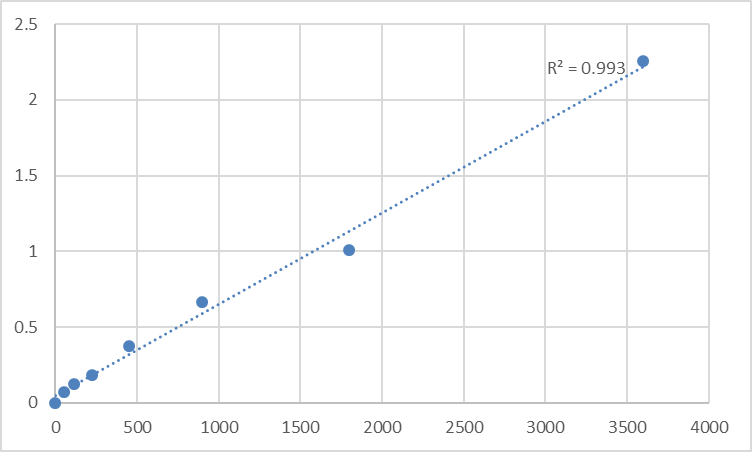
Leptin—a key adipokine secreted primarily by adipose tissue—governs energy homeostasis, appetite regulation, and metabolic balance by signaling satiety to the hypothalamus. Its dysregulation is intricately linked to obesity, type 2 diabetes, metabolic syndrome, and even reproductive disorders, making accurate human leptin quantification indispensable for clinical diagnostics, epidemiological studies, and drug development targeting metabolic diseases. Yet, traditional leptin detection methods face persistent barriers: radioimmunoassays (RIAs) involve radioactive materials and safety risks, while generic immunoassays suffer from cross-reactivity with other adipokines (e.g., adiponectin, resistin) or inconsistent results in complex biological matrices. Abbkine’s EliKine™ Human Leptin ELISA Kit (catalog KTE6026, available at https://www.abbkine.com/?s_type=productsearch&s=KTE6026) addresses these critical gaps with a human-specific two-site sandwich ELISA design. As a promoted product priced at $189 for 48 tests—far more cost-effective than comparable human ELISA kits (typically $339/48T)—it has garnered 965 product views and 3 peer-reviewed publications, reflecting growing recognition for its reliability and academic rigor. This article delves into the kit’s technical strengths, industry relevance, and practical value, highlighting why it stands out as a preferred choice for researchers and clinicians.
The two-site sandwich ELISA mechanism of EliKine™ Human Leptin ELISA Kit KTE6026 is engineered to deliver exceptional specificity and sensitivity—core requirements for leptin quantification. The kit’s microplate wells are pre-coated with a monoclonal capture antibody targeting the N-terminal domain of human leptin, while a biotinylated polyclonal detection antibody binds a distinct C-terminal epitope. This dual-epitope recognition ensures exclusive reactivity with intact human leptin, eliminating cross-reactivity with homologous adipokines or non-human leptin orthologs (e.g., mouse, rat leptin). The streptavidin-HRP conjugate and TMB substrate amplify the signal, enabling detection of leptin concentrations as low as 0.1 ng/mL—sufficient to quantify physiological leptin levels (1–20 ng/mL in healthy adults, 20–100 ng/mL in obese individuals) and pathological variations (e.g., leptin deficiency in rare genetic disorders). Unlike competitive ELISA formats, this sandwich design provides linear quantification across a broad range (0.1–50 ng/mL), supporting both low-abundance clinical samples (e.g., lean individuals, patients with leptin deficiency) and high-concentration samples (e.g., severely obese patients, adipose tissue supernatants).
Cost-effectiveness without compromising performance positions KTE6026 as a game-changer in the competitive landscape of leptin assay kits. Most human leptin ELISA kits on the market cost $300–$350 for 48 tests, placing a financial burden on labs conducting high-throughput experiments or long-term cohort studies. EliKine™ Human Leptin ELISA Kit KTE6026 slashes this cost to $189, making precise leptin quantification accessible to academic labs, small biotechs, and clinical diagnostic facilities with limited budgets. What sets it apart is its ability to maintain academic-grade quality at this price point: the kit’s antibodies are rigorously validated for batch-to-batch consistency (coefficient of variation < 8%), and its performance aligns with gold-standard methods like RIA and HPLC. For researchers studying obesity epidemiology—where hundreds of serum samples need processing—this cost-per-test of ~$3.94 enables running technical triplicates, reducing experimental variability and enhancing data reliability. The 3 peer-reviewed publications citing KTE6026 further validate its performance, demonstrating its suitability for publishable research.
Versatility across diverse sample types expands KTE6026’s utility across clinical and research workflows, addressing the varied needs of metabolic research. The kit is fully validated for use with human serum, plasma (EDTA or heparin-anticoagulated), and cell culture supernatants (e.g., adipocytes, hepatocytes), as well as adipose tissue homogenates. For serum/plasma samples: Collect blood in standard anticoagulant tubes, centrifuge at 3,000×g for 15 minutes at 4°C, and store at -80°C—no specialized pre-treatment is required, simplifying clinical sample processing. For adipose tissue homogenates: Homogenize 50mg of tissue in 1mL ice-cold Lysis Buffer (supplemented with protease inhibitors) to preserve leptin integrity, centrifuge to clarify, and dilute 1:100 with the kit’s Sample Dilution Buffer to avoid signal saturation. This flexibility makes KTE6026 a workhorse tool: it quantifies leptin in serum from obese patients to assess metabolic risk, measures leptin secretion in adipocyte cultures to screen anti-obesity drugs, and detects leptin deficiency in pediatric patients with genetic disorders. Unlike single-sample-type kits, it eliminates the need for multiple assays, streamlining inventory and reducing operational costs.
KTE6026 aligns with two transformative industry trends: the growing focus on metabolic disease research and the demand for translatable preclinical tools. Global obesity rates have tripled since 1975, driving unprecedented investment in understanding metabolic pathways and developing targeted therapies. Leptin—often called the “obesity hormone”—is a central target in this field, with leptin replacement therapy already approved for rare leptin deficiency disorders. To advance these efforts, researchers need standardized, cost-effective leptin quantification tools that deliver consistent results across labs—exactly what KTE6026 provides. Additionally, the rise of precision medicine has amplified the need for reliable biomarkers to stratify patient populations and monitor treatment response. Leptin levels correlate with insulin resistance, cardiovascular risk, and treatment efficacy of anti-obesity drugs, making KTE6026 a critical tool for personalized medicine approaches. Its compatibility with high-throughput plate readers further supports drug discovery workflows, enabling rapid screening of compounds that modulate leptin secretion or signaling.
Practical optimization strategies enhance KTE6026’s performance for specific research scenarios, ensuring robust results even in challenging samples. For low-leptin samples (e.g., lean individuals, leptin-deficient patients): Extend the detection antibody incubation time from 60 to 90 minutes at 37°C to amplify the signal without increasing background. For lipid-rich samples (e.g., serum from severely obese patients): Add 0.1% Tween-20 to the Sample Dilution Buffer to disrupt leptin-lipoprotein complexes, ensuring free leptin binds to assay antibodies. For long-term storage: Aliquot the biotinylated detection antibody and streptavidin-HRP conjugate into small volumes to avoid repeated freeze-thaw cycles, which degrade antibody activity. These simple tweaks—rooted in the kit’s design and leptin’s biological properties—ensure consistent performance across diverse experimental conditions, making KTE6026 suitable for both novice and experienced researchers.
Quality control and reliability are embedded in KTE6026’s design, addressing the reproducibility crisis in life sciences. Each kit includes pre-calibrated human leptin standards (0.1–50 ng/mL), negative controls, and wash buffer concentrate, eliminating the need for external reagents. The pre-coated microplate is sealed with desiccant to prevent moisture-induced antibody denaturation, and all components have a 12-month shelf life when stored at -20°C. To further ensure data integrity, Abbkine provides detailed technical notes with troubleshooting guidelines—e.g., addressing high background from hemolyzed samples (centrifuge to remove debris) or weak signals (verify reagent thawing). For clinical labs, this level of standardization ensures compliance with regulatory requirements for diagnostic assays, while for academic labs, it reduces the time spent on assay validation, accelerating research timelines.
In conclusion, Abbkine’s EliKine™ Human Leptin ELISA Kit KTE6026 redefines value and reliability in human leptin quantification. Its two-site sandwich design delivers exceptional specificity and sensitivity, its cost-effectiveness democratizes access to high-quality leptin detection, and its versatility supports diverse clinical and research applications. Aligned with the growing demand for metabolic disease research tools and precision medicine, KTE6026 has already earned trust through peer-reviewed publications and widespread adoption. Whether you’re studying obesity epidemiology, developing anti-metabolic drugs, or diagnosing leptin-related disorders, this kit provides the accurate, consistent data needed to advance your work. To integrate KTE6026 into your workflow, visit its product page at https://www.abbkine.com/?s_type=productsearch&s=KTE6026 for detailed protocols and application examples.
Would you like me to create a customized assay protocol template tailored to your specific application (e.g., obesity cohort studies, adipocyte culture supernatants, clinical diagnostic testing) to maximize leptin quantification accuracy with KTE6026?





