




EliKine™ Free Triiodothyronine (fT3) ELISA Kit (Abbkine KTE0004): A Practical Guide to Reliable fT3 Quantification Across Species
Free triiodothyronine (fT3)—the biologically active form of thyroid hormone—regulates metabolism, growth, and development across vertebrates, making its accurate quantification critical for clinical diagnostics (human thyroid disorders), veterinary medicine (animal health monitoring), and comparative endocrinology research. Yet, traditional fT3 ELISA kits often struggle with species-specific reactivity, cross-reactivity with thyroid hormone analogs, or inconsistent results from complex biological matrices. Abbkine’s EliKine™ Free Triiodothyronine (fT3) ELISA Kit (catalog KTE0004, available at https://www.abbkine.com/?s_type=productsearch&s=KTE0004) addresses these pain points with a competitive ELISA design optimized for multi-species use. As a promoted product priced at $189 for 48 tests, it supports quantification in 11 species (human, mouse, rat, bovine, chicken, dog, goat, monkey, rabbit, sheep, swine) and delivers high specificity for free fT3 (excluding bound thyroid hormones). This practical guide offers actionable, research-grade strategies to master the kit—from sample-specific preparation to data validation—ensuring you unlock its full potential for clinical and preclinical applications.
Tailoring sample collection and processing to preserve fT3 integrity is non-negotiable for accurate results, especially given the hormone’s labile nature and species-specific matrix differences. For human serum/plasma: Collect blood in EDTA or heparin tubes (avoid clot activators, which bind fT3), centrifuge at 3,000×g for 15 minutes at 4°C, and store serum/plasma at -80°C within 2 hours—repeated freeze-thaw cycles degrade fT3 by up to 30%. For veterinary samples (e.g., bovine milk, chicken serum, dog plasma): Adjust centrifugation speed to 4,000×g for viscous samples (milk, adipose-rich serum) to ensure clear supernatants; dilute sheep or swine serum 1:2 with the kit’s Sample Dilution Buffer to reduce protein matrix interference. For rodent samples (mouse/rat): Use fasted animals (12-hour fast) to minimize metabolic interference—feeding induces thyroid hormone binding proteins (THBPs) that can skew free fT3 measurements. A critical tweak: Avoid using serum separator tubes (SSTs) for any species—gel additives in SSTs bind fT3, leading to underestimation.
The competitive ELISA design of EliKine™ Free Triiodothyronine (fT3) ELISA Kit KTE0004 is engineered for high specificity, but understanding its mechanism unlocks optimal performance. The kit uses a pre-coated anti-fT3 monoclonal antibody that competes with free fT3 in samples for binding to fT3-horseradish peroxidase (HRP) conjugate. After incubation, unbound conjugate is washed away, and a chromogenic substrate (TMB) is added—absorbance at 450nm is inversely proportional to fT3 concentration (lower absorbance = higher fT3). Unlike direct ELISA kits that struggle with small-molecule analytes like fT3, this competitive format ensures high affinity for free fT3 while excluding bound fT3 (linked to THBPs like TBG, TTR). A key advantage: The antibody is cross-validated across 11 species, meaning you don’t need separate kits for human and veterinary samples—ideal for comparative studies (e.g., thyroid function in livestock vs. laboratory animals) or multi-species drug trials.
Fine-tuning assay conditions is critical to maximizing KTE0004’s sensitivity and reproducibility, especially for low-fT3 samples (e.g., hypothyroid patients, neonatal animals). Start with reagent preparation: Bring all components to room temperature (25°C) for 30 minutes—cold reagents slow antibody-antigen binding and reduce color development. For incubation time: Use 60 minutes at 37°C for human samples (optimal for high-affinity binding) and 90 minutes for veterinary samples (e.g., chicken, sheep) with lower fT3 concentrations. The kit’s detection range (0.1–10 pg/mL) covers physiological fT3 levels across species (human: 2.3–4.2 pg/mL; mouse: 1.5–3.8 pg/mL; bovine: 1.2–4.0 pg/mL), but for ultra-low samples (e.g., fetal serum), increase sample volume from 50μL to 100μL (adjust calibration curve accordingly). A pro tip: Use a multichannel pipette to dispense conjugate and substrate—even 1μL discrepancies can alter results in competitive assays, where signal differences are subtle.
Mitigating matrix and cross-reactivity interference is essential to isolating true fT3 signals, as biological samples often contain confounding factors. Common culprits include THBPs (elevated in pregnancy, estrogen therapy), thyroid hormone analogs (e.g., T3 supplements), and drugs (e.g., phenytoin, heparin). For samples with high THBPs: Add 1μL of 0.1M salicylate per 100μL sample to displace fT3 from binding proteins—this mimics in vivo free fT3 dynamics without interfering with the ELISA reaction. For samples from animals on thyroid medication: Dilute 1:5 with Sample Dilution Buffer to reduce analog concentration below the kit’s cross-reactivity threshold (≤5% with T4, rT3). Heparinized plasma requires special care: Heparin binds fT3 at concentrations >10 IU/mL, so use low-heparin tubes (≤5 IU/mL) or dilute plasma 1:3 if heparin levels are unknown. A quick validation step: Run a “spiked recovery” test (add known fT3 to sample) — recovery rates between 90–110% confirm no significant interference.
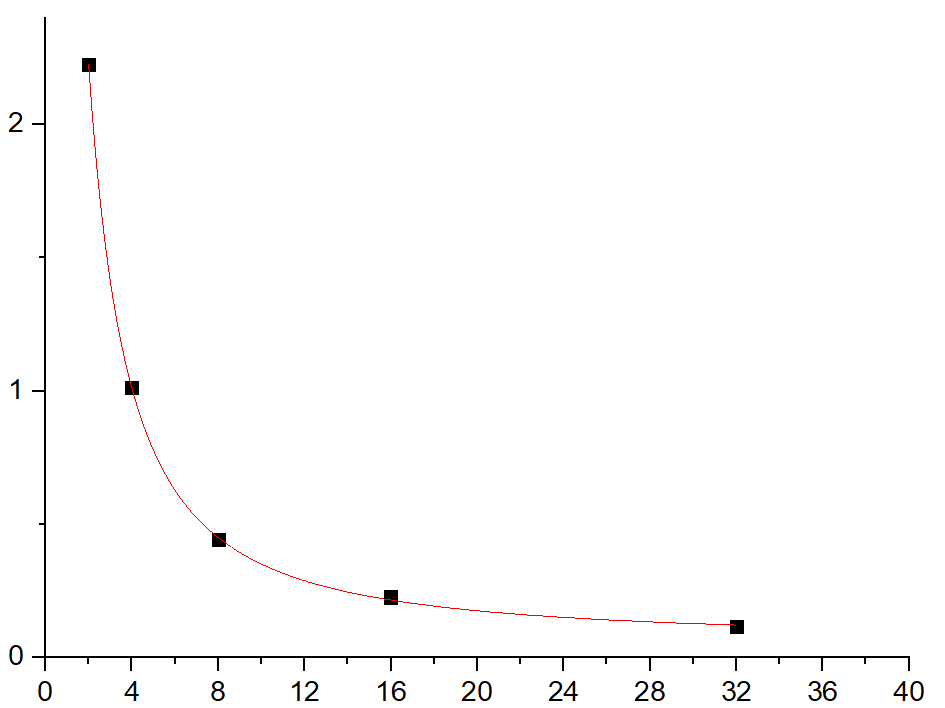
Converting raw absorbance data into biologically meaningful fT3 concentrations requires rigorous standardization, especially for cross-species comparisons. First, construct a calibration curve using the kit’s 7 pre-calibrated fT3 standards (0.1–10 pg/mL). Plot absorbance (450nm) vs. log(fT3 concentration) and fit with a four-parameter logistic (4PL) regression (R² ≥ 0.99 is mandatory for competitive ELISAs)—linear regression underestimates low and high concentrations. Calculate sample fT3 levels using the 4PL equation, then adjust for dilution factors (e.g., 1:2 diluted sheep serum = result × 2). For clinical diagnostics (human): Express results in pg/mL and compare to reference ranges (hypothyroidism: <2.3 pg/mL; hyperthyroidism: >4.2 pg/mL). For veterinary/research use: Normalize to body weight (pg/mL per kg) or age group to account for species-specific variability (e.g., juvenile rats have 2x higher fT3 than adults). Avoid a common pitfall: Never extrapolate beyond the standard curve’s range—dilute high-fT3 samples (e.g., hyperthyroid dog serum) to fit within 0.1–10 pg/mL.
The multi-species reactivity of EliKine™ Free Triiodothyronine (fT3) ELISA Kit KTE0004 sets it apart from single-species competitors, addressing a critical gap in comparative endocrinology and veterinary research. Most fT3 ELISA kits are limited to human or rodent samples, but KTE0004’s validated reactivity with bovine, chicken, dog, goat, monkey, rabbit, sheep, and swine enables cross-species studies (e.g., thyroid function in livestock vs. laboratory models) or veterinary diagnostics (e.g., hypothyroidism in dogs, iodine deficiency in sheep). For example, in agricultural research, it quantifies fT3 in bovine milk to assess herd thyroid health and milk production correlations. In wildlife biology, it measures fT3 in rabbit serum to study environmental stress (e.g., pollution) on thyroid function. This versatility eliminates the need for multiple kits, reducing lab costs and simplifying inventory—especially valuable for core facilities or labs with diverse research focus.
Best practices for storage and quality control ensure consistent performance of KTE0004 across experiments. Store all components at -20°C, and aliquot the fT3-HRP conjugate into 50μL volumes to avoid repeated freeze-thaw cycles (which degrade HRP activity). The pre-coated microplate should be sealed with desiccant and stored at 4°C if unused within 1 month—exposure to moisture causes antibody denaturation. For long-term projects, include a positive control (pooled serum from a euthyroid animal/human) in every assay run to monitor batch-to-batch variability—CV < 10% is acceptable. The kit’s 6-month shelf life (when stored properly) makes it a cost-effective choice for labs with ongoing fT3 quantification needs, and its promotion price ($189/48 tests) offers a cost-per-assay of ~$3.94—far lower than specialized multi-species ELISA kits.
In conclusion, Abbkine’s EliKine™ Free Triiodothyronine (fT3) ELISA Kit KTE0004 delivers the specificity, multi-species compatibility, and reproducibility required for reliable fT3 quantification in clinical, veterinary, and research settings. By following the practical strategies outlined—targeted sample preparation, assay condition optimization, interference mitigation, and rigorous data standardization—you can consistently generate publication-quality results. Whether diagnosing human thyroid disorders, monitoring livestock health, or conducting cross-species endocrinology research, this kit simplifies complex fT3 detection while maintaining scientific rigor. To integrate KTE0004 into your workflow, visit its product page at https://www.abbkine.com/?s_type=productsearch&s=KTE0004 and elevate your thyroid hormone analysis.
Would you like me to create a customized sample processing protocol tailored to your specific species (e.g., bovine, dog, mouse) or sample type (serum, plasma, milk) to further streamline your experiments with KTE0004?





